

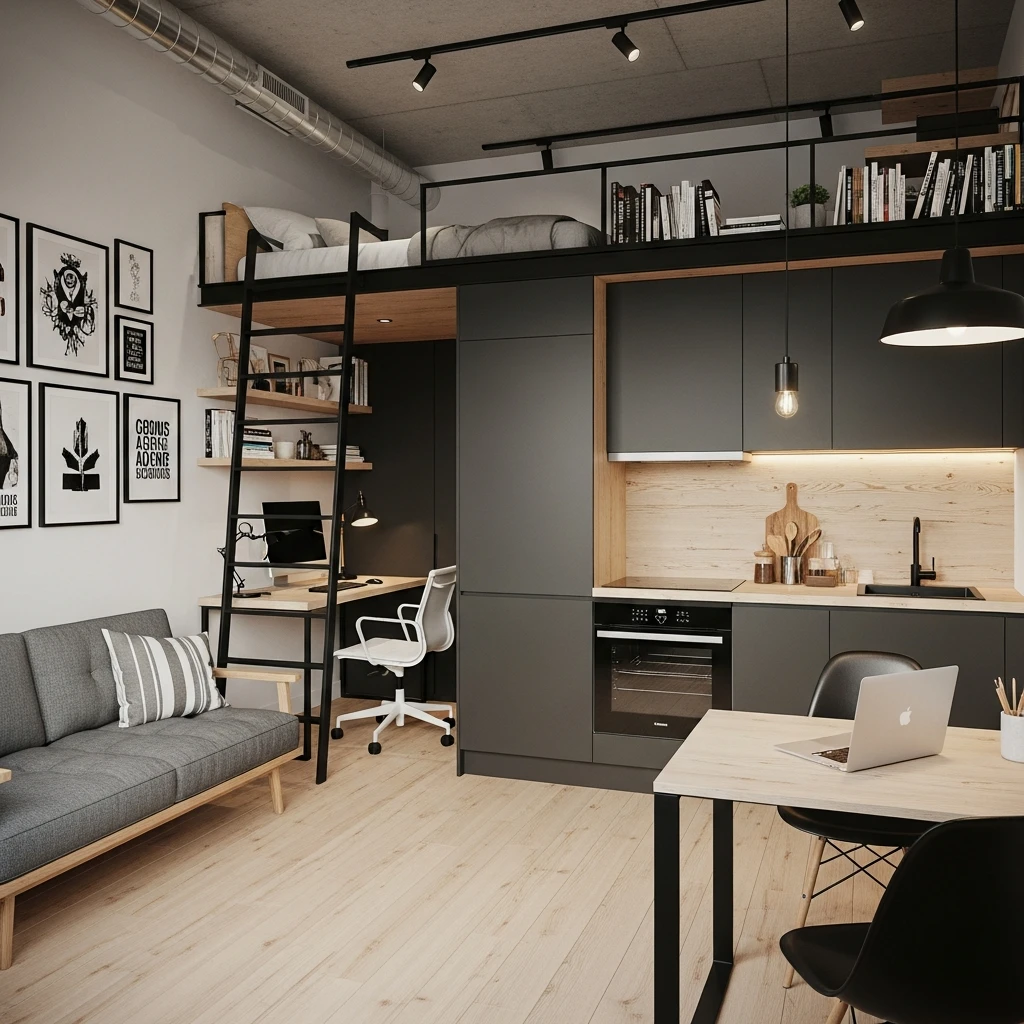
Some living spaces look perfect on paper yet never feel settled. The layout works, the rooms feel clean, and the building looks modern. Still, many apartments fail to create emotional comfort after move-in day. People unpack, decorate, and adjust routines, yet something feels incomplete. That missing feeling shapes daily mood and long-term satisfaction. Understanding why this happens helps people choose spaces that truly support everyday living.
This contrast becomes clearer in places like Norwalk, Connecticut, where new housing options continue expanding. Many apartments appear similar during tours and online searches. Only a few feel comfortable once daily routines begin. The difference lies beyond finishes and photos. Design choices, surroundings, and small experiences shape how a place feels over time. The sections below explore what quietly turns a living space into a true home.
Comfort Goes Beyond Square Footage
Comfort starts with how a space supports movement and rest. Large rooms do not guarantee ease or relaxation. Some apartments feel stressful because noise travels easily or light feels uneven. Daily routines become harder when rest and focus feel interrupted. Airflow, temperature balance, and sound control influence comfort every day. These details matter more than many people expect.
Several overlooked elements affect daily comfort:
- Natural light that reaches the living and resting areas
- Quiet interiors that limit outside disruption
- Balanced room proportions that reduce clutter pressure
When these factors work together, the space supports calm routines. That support helps people relax without constant adjustment.
Design That Supports Everyday Life
Good apartment design supports daily routines without creating friction. Rooms should flow naturally and feel easy to move through. Kitchens need space for real cooking, not staged visuals. Storage should reduce clutter and simplify daily habits. Lighting placement also affects energy and mood throughout the day. Noise control plays a quiet role in long-term comfort. These details help residents relax without conscious effort.
Some communities plan living spaces around real daily needs and behavior. Layouts focus on light, movement, and practical use throughout the home. That approach can be seen in The Confluence at Norwalk, a residential community designed around comfort, flow, and everyday usability. Design decisions there focus on supporting daily routines rather than visual impact alone. Spaces are planned to support routines instead of interrupting them during normal daily activities. This planning helps residents settle in faster and feel more at ease. Over time, the space feels personal rather than temporary, creating a deeper sense of belonging.
The Role of Community in Feeling Settled
A sense of home extends beyond private walls. Shared spaces shape daily experience in many apartments. Entryways, hallways, and common areas influence mood from the first step inside. Friendly interactions can add warmth without forcing a connection. Privacy also remains essential for balance. When both needs are respected, people feel more comfortable staying long-term.
Community design quietly affects daily satisfaction:
- Clean, welcoming shared areas
- Clear boundaries between social and private spaces
When these elements feel intentional, residents relax more easily. That ease supports emotional attachment over time.
Location That Fits Daily Life
Location influences routine more than most people realize during everyday living experiences. Daily errands, work commutes, and leisure activities quietly shape long-term stress levels. Some apartments feel exhausting because the surroundings add constant pressure throughout the day. Easy access to essentials saves time, energy, and emotional bandwidth for other priorities. Walkable areas encourage healthier habits without requiring extra planning or motivation. Nearby services reduce daily friction and help routines feel more manageable.
A balanced setting supports both activity and rest without forcing constant adjustment. When surroundings align with personal routines, daily life feels smoother and more predictable. That smooth rhythm strengthens the connection to the living space over time. Familiar paths and nearby comforts create emotional ease during busy weeks. Over time, comfort grows through consistency rather than novelty or constant stimulation.
Maintenance and Care Build Long-Term Trust
Consistent care plays a major role in how people feel in their homes. Reliable maintenance reduces frustration and prevents small concerns from becoming lasting stressors. In many apartments, slow responses create stress that builds quietly over time. Clean shared spaces signal respect and attention toward residents and their needs. That attention builds trust in the living environment through repeated positive experiences. Predictable care routines help residents feel supported instead of overlooked.


Trust allows people to settle without constant concern or hesitation. When small issues receive timely care, larger problems feel far less overwhelming. This reliability supports peace of mind during everyday routines and unexpected moments. Clear communication also strengthens confidence in the living environment. Over time, care transforms routine living into comfortable living that feels dependable.
Conclusion
Apartments feel like home when daily life feels supported rather than interrupted. Comfort grows through design, surroundings, and consistent care over time. Emotional ease matters as much as visual appeal or modern finishes. When routines flow smoothly, attachment forms naturally without effort. Choosing thoughtfully helps people avoid spaces that feel temporary or unsettled. Long-term satisfaction depends on how well daily needs are supported. Over time, the right environment supports stability, comfort, and a lasting sense of belonging.