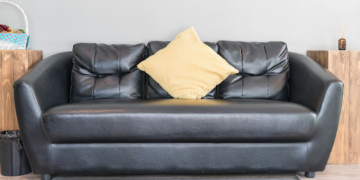

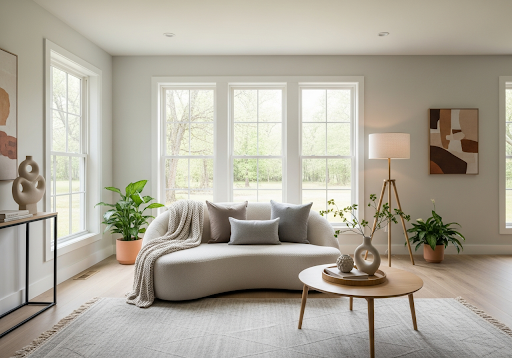
A living room oasis is far more than a passing decorating trend — it’s a timeless approach to designing a space that genuinely nurtures relaxation, rest, and rejuvenation amid the relentless demands of daily life. In any home, this central gathering area holds remarkable power to enhance well-being when comfort, style, and functionality work in harmony. Incorporating pieces like modern lounge chairs can significantly elevate that comfort level, offering relaxed seating arrangements that actually invite people to unwind rather than just sit. When thoughtfully curated, a living room stops being just another room and becomes a personal retreat that serves its occupants for years to come.
The Foundations of a Timeless Living Room Oasis
Every well-designed oasis rests on three core principles: ergonomics, aesthetics, and durability. Ergonomic standards, for instance, recommend seat heights between 17 and 20 inches for optimal comfort and ease of movement — a detail that interior architects consistently emphasize in residential design guidelines. Beyond individual pieces, though, the overall layout must promote natural flow and a genuine sense of tranquility throughout the room.
Before rearranging or purchasing a single item, it’s worth working through a few foundational considerations:
- Measure the room’s dimensions and map out natural traffic pathways
- Establish a clear focal point — a fireplace, a picture window, or a media wall
- Leave at least 18 inches between seating and a coffee table for comfortable legroom
- Resist the urge to push all furniture against the walls, which tends to make a space feel disconnected and cold
- Group seating in a way that encourages conversation and maintains visual balance
Essential Elements for Comfort and Style
Seating is the true cornerstone of any living room oasis. Look for options with curved armrests and generously padded upholstery, which support the body during extended lounging sessions. Think of how many underused living rooms have been completely transformed simply by swapping out a rigid sofa set for more multi-functional seating — suddenly, that overlooked room becomes the most sought-after spot in the house.


Material selection matters just as much as form. Here’s a quick comparison to help guide the decision:
- Velvet: Luxuriously soft and visually rich, though it requires regular brushing to maintain its pile
- Leather: Highly durable and easy to wipe clean, but can feel uncomfortably warm in hotter climates
- Performance fabric: Stain-resistant and family-friendly, with a slightly less premium look than the alternatives
Incorporating Lighting and Ambiance
Lighting shapes the entire mood of a room, often more than any piece of furniture can. A layered approach — combining ambient, task, and accent lighting — eliminates harsh glare while building warmth and visual depth. Overhead fixtures handle general illumination, while table and floor lamps introduce a sense of intimacy that overhead lighting alone simply can’t replicate.
Key Takeaway: Place floor lamps at 58 to 64 inches in height for even, eye-level illumination that reduces eye strain and enhances the room’s overall comfort.
The benefits of a balanced lighting setup go well beyond aesthetics, too. Research consistently points to reduced visual fatigue during evening reading or relaxation when lighting is layered and thoughtfully positioned.
Adding Textures and Accents
Layering rugs, throws, and pillows introduces a sensory richness that no single furniture piece can achieve on its own. Mid-century modern influences — defined by clean lines, organic shapes, and a restrained approach to ornamentation — offer a particularly enduring aesthetic framework that holds up well across decades. Even in smaller spaces, a neutral palette anchored by one or two bold accent colors can produce a sophisticated, cohesive oasis without ever feeling cluttered or overdone.
Practical Tips for Personalization and Maintenance
A living room oasis should genuinely reflect the people who use it, whether that calls for family-friendly durability or a more minimalist calm. Color harmony principles drawn from interior architecture suggest working with a 60-30-10 rule: 60% dominant tone, 30% secondary color, and 10% accent — a simple framework that takes much of the guesswork out of palette decisions.
To keep the space looking its best over time, a little consistent upkeep goes a long way:
- Vacuum upholstery weekly to prevent dust from settling into the fabric
- Rotate and flip cushions monthly so they wear evenly
- Spot-clean spills immediately to prevent permanent staining
- Refresh accent pieces seasonally for a renewed feel without committing to a full overhaul
- Protect wood surfaces from direct sunlight to prevent fading and warping
Bringing It All Together
A truly relaxing living room oasis doesn’t happen by accident — it emerges from the thoughtful combination of ergonomic foundations, quality materials, layered lighting, and personal touches that make a space feel lived-in rather than staged. When these elements come together, the room fosters daily relaxation and meaningfully elevates the quality of home life. The best place to start is with a single, intentional change — reassessing the seating arrangement, for instance — and building outward from there.