

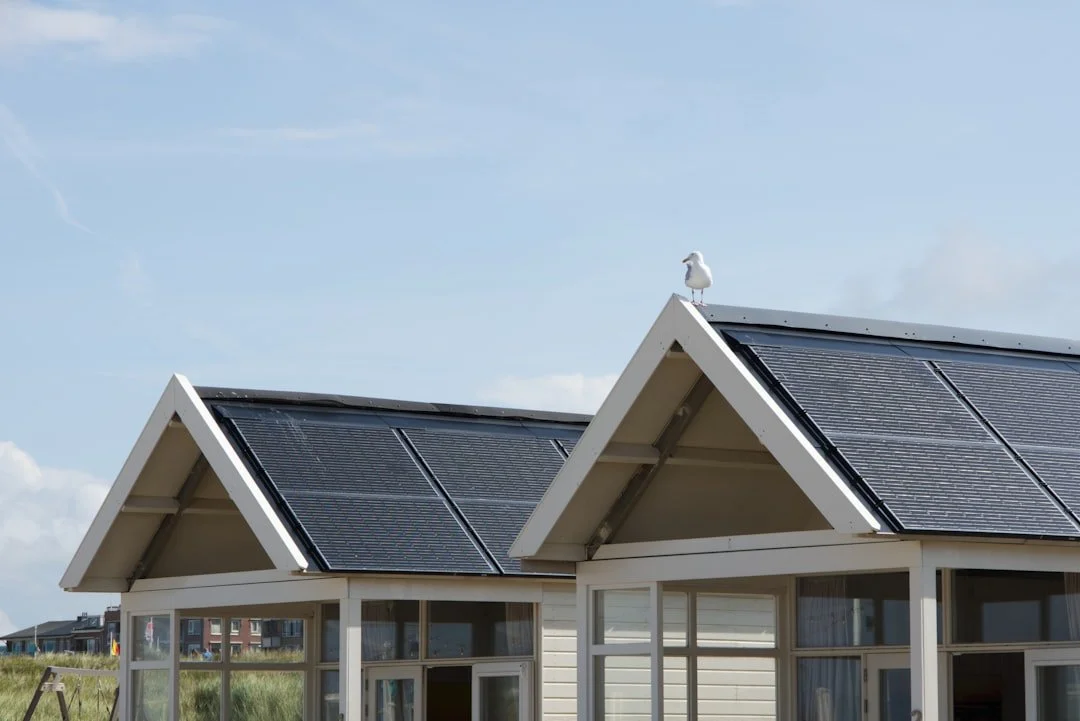
Most homeowners think about solar installation and roof replacement as separate projects, scheduled on separate timelines, managed by separate contractors. That framing leads to a predictable and expensive problem. When a solar installation goes onto a roof that needs replacement within the next several years, the homeowner faces a future bill for panel removal and reinstallation that can rival the original installation cost. Planning these two projects together is not complicated. It is simply a matter of doing the analysis before writing the first check.
The sequence matters enormously. Solar panels are designed to last 25 to 30 years. Most residential roofing materials carry warranties of 25 to 30 years as well, but that warranty represents a maximum, not a guarantee, and many roofs require replacement well before the warranty expires. A roof installed in the late 1990s or early 2000s is likely near or past its useful life, and installing solar on that roof commits the homeowner to a panel removal expense when the roof eventually fails.
What a Roof Assessment Before Solar Actually Covers
A proper pre-solar roof assessment is not a simple visual inspection. It includes an evaluation of the roofing material’s remaining life, the structural integrity of the decking and rafters that will support the racking system, and the condition of flashing and penetration points that will be disturbed during installation. Roofing industry guidelines on solar-compatible roof preparation recommend that homeowners address any identified issues before installation proceeds, because access to those areas becomes significantly more difficult and expensive once a panel array is in place.
The age of the roofing material is a useful starting point but not the whole picture. A 15-year-old asphalt shingle roof in a mild climate with good ventilation may have another decade of useful life. The same age roof in a region with extreme temperature swings, frequent freeze-thaw cycles, or heavy UV exposure may be approaching failure.


A qualified roofing contractor can assess the actual condition of the material, the granule retention on asphalt shingles, the fastener integrity on metal roofing, or the flashing condition on flat or low-slope systems.
The Real Cost of Getting the Sequence Wrong
The cost of removing and reinstalling a solar array is not trivial. Depending on system size, roof pitch, and the complexity of the racking installation, panel removal can run from $1,500 to $6,000 or more. Reinstallation after the new roof is in place adds a similar cost. For a homeowner who could have coordinated these projects and had the roofing done first, the extra expense is entirely avoidable.
Coordination has financial benefits beyond avoiding the removal cost. Many roofing contractors working in solar-active markets have developed working relationships with solar installers and can structure bids that reflect the reduced mobilization cost of doing both projects on the same visit. The homeowner benefits from that efficiency in the final price.
Battery Storage, Load Management, and Roof Weight
The structural conversation about solar and roofing extends to load calculations. A standard residential solar installation adds weight to the roof structure in the form of panels, racking, and hardware. For most modern homes with conventional framing, this additional load is well within design parameters. For older homes, particularly those with unconventional framing, previous additions, or any history of structural modification, a load calculation by a licensed structural engineer or experienced solar installer is advisable.
According to Andrew Hoesly, General Manager at SolarTech, the roof coordination question comes up regularly in pre-installation assessments. “The biggest mistake we see is a homeowner who waits until after installation to deal with a roof issue they knew about,” Hoesly said.
“The panel removal cost adds up fast, and in some cases it costs more than the original roof repair would have. Getting a professional roof assessment as part of the solar process is not extra work. It is just doing the job correctly.”
Solar racking systems penetrate the roof membrane at multiple attachment points. The quality of those penetrations, the flashing used to seal them, and the workmanship of the installation all affect whether the roof warranty remains intact after installation. Many roofing manufacturers have specific requirements for penetration work that affects their warranty coverage. Homeowners should verify with their roofing contractor and solar installer that the installation method is consistent with the roofing manufacturer’s requirements before work begins.
The homeowners who get this right treat the roof assessment as the first step in the solar process, not an afterthought. The analysis takes a few hours and costs nothing compared to the removal and reinstallation expense it prevents.
And for homeowners whose roofs need work, coordinating the two projects produces a cleaner installation, a longer combined warranty period, and a property that is easier to sell when the time comes.