
Water leaks are common household problems that can remain hidden until warning signs appear or noticeable damage occurs. By learning how to detect potential issues and adopt preventive measures, homeowners can prevent costly plumbing problems and protect their property over time.
Recognize the Early Signs of Water Leaks
Every year, the average household wastes nearly 9,400 gallons of water due to leaks, enough to wash more than 300 loads of laundry. Recognizing the early indicators of water leaks can make it easier to locate potential issues.
Unexpected Spikes in Water Bills
A sudden increase in a water bill without any changes in household habits is often one of the first signs of a hidden leak. Homeowners should monitor their water consumption by comparing bills over several months and checking whether the usage pattern matches their normal routine.
Mold, Mildew and Musty Odors
If mold appears unexpectedly on walls, ceilings or floors, it may indicate a hidden plumbing issue. A persistent musty smell can also point to moisture trapped behind surfaces. Homeowners should pay extra attention to areas such as bathrooms, kitchens, basements and utility rooms, where leaks often occur.


Other Unusual Signs
Changes around the home can also indicate developing plumbing problems. Homeowners should pay attention to strange sounds, changes in performance or moisture patterns that appear without an obvious cause.
- Reduced water pressure: A sudden drop in pressure may indicate a water leak, a damaged pipe or a blockage in the plumbing system.
- Unusual sounds: Dripping, hissing or running water sounds may suggest hidden water loss.
- Frequent toilet refills: A toilet that runs intermittently when not in use may have an internal leak.
- Warm or damp spots: Unexpected warmth or moisture on floors or walls may indicate a leaking hot-water pipe beneath the surface.
Check Common Sources of Leaks
After identifying potential warning signs, homeowners should check areas prone to plumbing problems. A simple inspection routine can help identify signs of damage before these issues require extensive repairs.
Plumbing Fixtures and Household Appliances
Many household leaks begin at connection points around plumbing fixtures and appliances. Essential areas to inspect include:
- Washing machine supply hoses
- Dishwasher connections
- Refrigerator water lines
- Toilet tanks and bases
- Faucet joints and pipe fittings
- Water heater connections
Look for dripping water, corrosion, mineral deposits or damp areas around these points. Replacing worn hoses, tightening loose connections and repairing damaged components can help prevent larger plumbing failures.
Interior Surfaces and Structural Areas
Water damage does not always appear at the leak’s source. Moisture can travel through walls and ceilings, causing damage in areas far from the original plumbing issue.
Homeowners should look for:
- Peeling paint or wallpaper due to prolonged moisture exposure
- Water stains or discoloration on ceilings and walls
- Swollen or warped flooring, particularly near bathrooms and kitchens
- Cracking or softening of drywall
- Damaged wood surfaces around windows, cabinets or baseboards
These interior flaws often indicate that water is accumulating behind the surface. Addressing the source quickly can help prevent more extensive structural damage and reduce the risk of mold growth.
Outdoor Plumbing and Landscaping
Water leaks can also happen outside the home, particularly around irrigation systems, outdoor faucets and underground water lines. Underground leaks often show up as:
- Soggy or muddy ground
- Unexplained puddles or pooling water
- Patches of grass that appear significantly greener than the surrounding areas
- Cracks in outdoor surfaces
- Sinkholes or uneven ground
Homeowners should rectify these issues immediately, as ongoing moisture near the foundation can contribute to long-term structural concerns.
Work With Leak Detection Specialists for Hidden Problems
When water leaks develop in areas beyond normal visibility, leak detection specialists can provide a more precise assessment. They often use a combination of proven methods and advanced tools to identify the source of a problem.
Specialized Detection Methods
Leak detection specialists often use a systematic approach to evaluate drainage patterns, trace supply lines and assess pressure fluctuations to determine where a leak is most likely to occur. By analyzing how water moves through the plumbing system, they can gradually narrow the search area and identify the affected section.
Advanced Leak Detection Tools
Equipment such as moisture meters, thermal imaging cameras and acoustic listening devices can reveal signs of water intrusion beyond the reach of human senses. By combining advanced tools with professional expertise, specialists can pinpoint the problem area and recommend targeted repairs.
Best Practices to Prevent Water Leaks
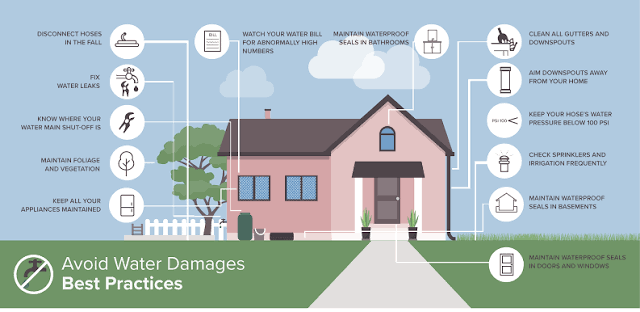
Undetected leaks can cost thousands of dollars over time. Simple preventive habits and regular maintenance can help reduce the likelihood of major water damage issues.
- Check easy-to-reach plumbing areas every few months, including under sinks, around faucets and near appliance connections, for damp spots, rust, loose fittings or dripping water.
- Replace aging components such as hoses, seals, washers and fittings before they wear out and increase the risk of leaks.
- Insulate exposed pipes in colder areas of the home to help prevent cracks and bursts from freezing temperatures.
- Clean gutters and drainage systems regularly to direct rainwater away from the home’s foundation.
- Install smart leak detection devices to receive early alerts of unusual moisture levels or unexpected water flow.
- Monitor household water usage to identify unusual consumption patterns that could indicate a plumbing issue.
While routine maintenance helps prevent many common plumbing issues, some problems require a specialist. Scheduling a professional leak inspection can help identify concerns early, especially in older homes or properties with recurring issues.
Ensuring a Leak-Free Home
Preventing water leaks begins with awareness, routine care and timely action. By combining regular leak inspections with professional support, homeowners can maintain a safer and more efficient plumbing system for their homes.