
The presence of clutter creates dangerous tripping hazards while emergency exits become blocked and fire risks increase in homes that require improved organizational systems. Household items including medicine and batteries and cleaning products become dangerous when stored and misused.
I organize my home by following a basic principle which states that unused items should be thrown away. We must choose between keeping our stuff or having space, since we can’t have both. A home that is well-organized and free of clutter provides benefits that extend past visual appeal to establish a safer environment for all household members. The right organizing methods help maintain home cleanliness which prevents accidents and injuries and illnesses that result from poorly managed household items.
Create Particular Routines to Prevent Clutter
A house that stays organized requires consistent routines to prevent clutter buildup, rather than relying on flawless organization. I maintain a designated donation area in my bedroom which simplifies the process of decluttering. This simple box helps us collect things we don’t need anymore as we go about our day.
I handle uncertain situations about discarding items by using the “limbo box” method. I put these maybe-keep items away for one to three months – two months works best – to see if I actually need them. Most of the time, I completely forget they’re there.

Our home has developed a system for performing fast cleaning tasks. We perform a 15-minute “reset” operation each night to restore all items to their proper positions. Our weekly activities consist of grocery shopping and meal preparation and laundry duties and complete house cleaning. The process requires two hours of work but it results in substantial time and stress reduction for our weekly activities.
Teach Your Family Members Organizational Methods
Teach your family members proper methods instead of repeating the same instructions over and over. The method functions best when students perform activities that match their age level and when we establish organization goals as a team. I have designated particular areas for all belongings and I have shown my children basic organizational methods since they were young.
Daily organization requires a systematic approach instead of a single solution that works only once. The process of building these habits in a gradual manner enables your home to maintain organization without requiring excessive work.
Design Your Home for Comfort and Function
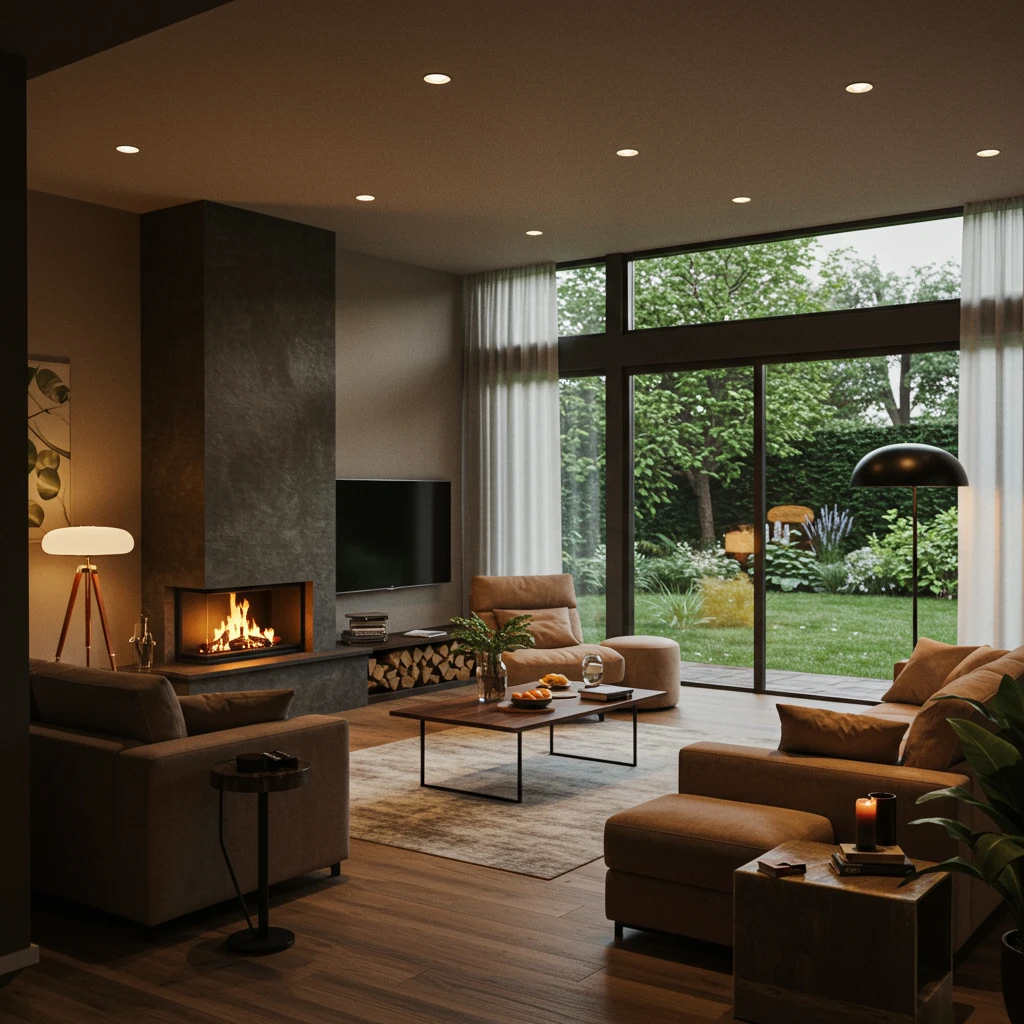
A home requires functional zones to achieve proper design and maintain its existence. The space I live in contains three separate sections which serve as living areas and sleeping areas and working areas. The system operates through separate sections that function independently from one another. The method converts typical rooms into areas that fulfill physical requirements and create emotional comfort.
The functionality of limited spaces becomes more efficient through the use of multi-functional furniture pieces. I select expandable dining tables, nesting side tables ,and ottomans with built-in storage instead of using individual pieces. The sofa bed serves as a dual-purpose piece of furniture, transforming from a daytime resting area into an overnight sleeping space. A coffee table with a lift-top design functions as a working surface.
The correct operation of my home depends on having suitable lighting systems. The three types of lighting work together to create a complete lighting system, which includes ambient lighting for general space illumination, task lighting for specific activities, and accent lighting to highlight special features. The building design features windows and glass doors that allow natural light to enter, creating an open and airy interior space.
People experience less daily frustration because storage solutions are located near the spaces where they use their belongings. The hooks, bench, and shoe racks in my entryway provide easy access to all my belongings. The space behind doors can be transformed into functional storage areas through the use of behind-the-door organizers, which hold gift wrap materials and cleaning supplies.
The use of matching flooring materials between adjacent rooms creates an effect that makes these spaces appear larger and more connected. The final element establishes a perfect equilibrium between comfort and functionality in the home.
Safety Needs to Be Integrated Into Your Organization Plan
Your home safety needs to be your number one concern. Studies show that all but one of these adults over 65 stay on their feet each year, which makes falls their biggest source of injuries. You need cord covers to manage cables that help you prevent trips and protect your wiring.
Safe storage of household chemicals is vital for preventing accidents. Keep cleaning supplies in locked cabinets, away from children and pets, and always store them in their original containers. Still, even well-handled products can cause harm if they are defective or mislabeled. When injuries occur, families often need both education and legal support. Platforms like ConsumerShield provide resources that explain your options and can connect you with lawyers who specialize in accidents caused by faulty or hazardous products.
Your home requires appropriate walkways to prevent fatal accidents from occurring. Your exit routes must remain completely unobstructed by any materials or equipment or locked doors. Your exit paths need at least 28 inches of width and ceiling height must be 7 feet, 6 inches minimum.
Household hazardous waste requires proper disposal because it should never be discarded through drains or mixed with standard waste. Check for warning labels which contain the words “caution” “flammable” or “toxic”. The space around electrical outlets and appliances needs to stay uncluttered to achieve proper fire risk reduction.
Conclusion
A house that appears attractive is insufficient because it must also provide safety and comfort for the family members. Home organization experiences have shown that organized living areas create safer environments which also lead to mental peace. The practice of daily resets for 15 minutes together with designated donation spaces enables you to maintain control over your space while avoiding feelings of being overwhelmed.
Your home’s thoughtful design with functional zones and multipurpose furniture makes the most of limited space and supports daily activities. The systems require safety features to function properly. The proper storage of household chemicals together with managed cords and clear pathways functions as a preventive measure against accidents which also protects human life.
Home organization demands continuous dedication since it establishes a lasting method of maintaining your living space. The benefits reach further than what people see in the mirror. A house that is well-arranged provides protection to your body and peace of mind to your heart. Start your organizational process by creating small but consistent habits which lead to better organization. Begin by checking the areas that receive the most visitors and all locations where potential hazards exist. Your work will transform your home into a protective environment which provides care to all visitors who enter.