

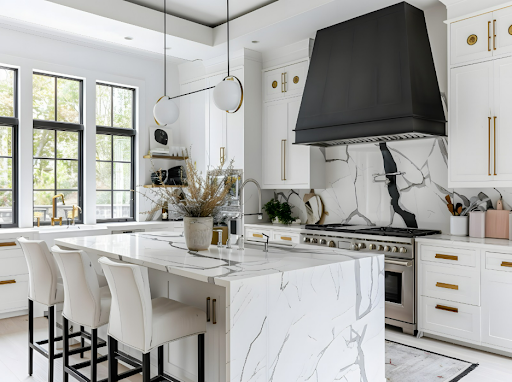
People are pouring more attention into their homes than ever before. In 2024, Americans spent more than USD$600 billion on home renovation. And that number tells us one thing: when people renovate, they want standout features. (1)
In the living room, it might be a luxurious sofa, while a premium mattress could easily become the highlight in the bedroom. But once the conversation turns to a kitchen renovation, the island bench usually takes the spotlight. It’s a freestanding structure that anchors the space. Because of its central role, the benchtop becomes the most visible and frequently used surface.
That’s why it shouldn’t be an afterthought or a decision based on looks alone. A single misstep here can affect the overall theme and functionality of your cooking area. To help you avoid renovation regrets, here are some mistakes to watch out for:
Picking a Benchtop Material Based Only on Style
It’s easy to be captivated by an island countertop owing to its color or pattern. A beautiful slab can catch your eye, but remember that the kitchen is a working space. That means the surface will be exposed to spills, knife marks, heat, and constant cleaning. And when you select a material just for its design, you may later regret it or be disappointed.


There are many materials to choose from, but not all offer the same qualities. Here’s a quick guide:
Marble
People love this material due to its timeless, elegant, and unique veining. And the numbers say it all. The global marble market is expected to surpass USD$90 billion by 2030, growing at a yearly rate of 4.6%. (2)
The only challenge here is that this beautiful stone can scratch, stain, and etch easily. For a safer, low-maintenance option, a silica free engineered stone is a great choice. It offers both durability and style without the common concerns of natural marble.
Granite
Granite has a rugged charm that never fails to impress. You may notice that most luxurious homes feature this material in their kitchen design, and for good reason. It’s incredibly durable, heat-resistant, and can handle heavy daily use without showing wear.
While it’s generally low-maintenance, some types may require occasional sealing to maintain their polished finish and flawless appearance.
Timber
When you want warmth and character in a kitchen, timber always delivers. Its natural grain pattern interrupts the flat planes of a modern kitchen. As for the care, timber requires a gentle wipe and light oiling or sealing. When you treat this material right, it develops a patina that designers pay extra to replicate.
Laminate
If you want stylish without the splurge, laminate benchtops make it possible. You’ll find options ranging from bold, playful designs to convincing marble and timber replicas. Just remember, laminate won’t have the lifespan of high-end surfaces. That said, it’s ideal for budget-friendly renovations, rental properties, or anyone who likes to refresh their space without a big investment.
As you can see, every material has its strengths and a few not-so-great features. The key here is to consider how you’ll use your kitchen island bench and what level of maintenance you’re willing to handle.
Overlooking Proportions
As mentioned, you may be focusing on design, but forget that size and scale matter just as much. A freestanding kitchen island that looks perfect and beautiful in a showroom or magazine may not suit your actual kitchen layout.
Common proportional mistakes include:
- Too big: Obstructs movement and reduces overall kitchen usability.
- Too small: Limits prep space and seating options.
- Wrong shape: Doesn’t harmonize with the kitchen layout, disrupting visual balance.
- Insufficient clearance: Not leaving at least 1 meter (3.3 ft) around the island can make the kitchen feel tight and uncomfortable.
For comfortable maneuvering, allow at least 42 inches of space around the island in single-cook kitchens. If more than one person cooks at the same time, increase the space to 48 inches. A rule of thumb here is to maintain sufficient room for an efficient workflow. (3)
You can also seek guidance from a kitchen designer or installer to ensure the spacing aligns with your layout and appliance placement.

Not Considering Functionality
In any home design, it’s easy to get excited about layout, finishes and decorations. And this is a common pitfall, especially in kitchen remodeling. If you don’t plan for everyday use, it can become more of a hindrance than a help.
Key functionality points to consider:
- Prep space: Make sure there’s enough room for chopping, mixing, and assembling meals.
- Seating solution: Provide adequate overhang and legroom if the island will double as a casual dining or social area.
- Appliance integration: Include sinks, cooktops, or outlets as needed to enhance versatility.
Proper planning ensures the island becomes a functional centerpiece that enhances efficiency and usability in your kitchen.
Skipping Storage Planning
Your island might look great and sleek, but if you’re just treating it as extra counter space, you’re wasting its potential. This is prime real estate for storage that makes your life easier.
Instead of letting clutter pile up or constantly moving items around, consider built-in storage solutions, such as:
- Drawers and cabinets: Include deep drawers for pots, pans, and other large items, as well as smaller drawers for utensils and cutlery.
- Open shelving: This is beneficial for frequently used items or decorative storage, but consider the accessibility and potential for dust accumulation.
- Specialized storage: Consider built-in spice racks, pull-out trash bins, or appliance garages to keep surfaces clear.
- Workflow placement: Arrange storage so that kitchenware is easy to reach during cooking or preparation. This idea supports a smooth workflow.
A well-organized island does the work for you. It keeps things tucked away but within reach, making cooking feel a lot less chaotic.
Final Thoughts
Every home improvement should make daily life a little easier and more enjoyable. And the kitchen island benchtop is a perfect example of that. Just one wrong choice can throw everything off track.
To avoid such setbacks, it helps to plan carefully before any real work begins. Always bring in a professional, as they have the expertise to handle every aspect of a kitchen revamp. When done right, the island becomes the kitchen’s anchor, balancing practicality and daily moments.
References:
- “Remodeling Impact”, Source: https://www.nar.realtor/research-and-statistics/research-reports/remodeling-impact
- “Marble Market (2025 – 2030)”, Source: https://www.grandviewresearch.com/industry-analysis/marble-market-report
- “Minimum Space Requirements Around Kitchen Islands: Understanding the Optimal Layout for Your Kitchen”, Source: https://www.coohom.com/article/minimum-space-requirements-around-kitchen-islands