
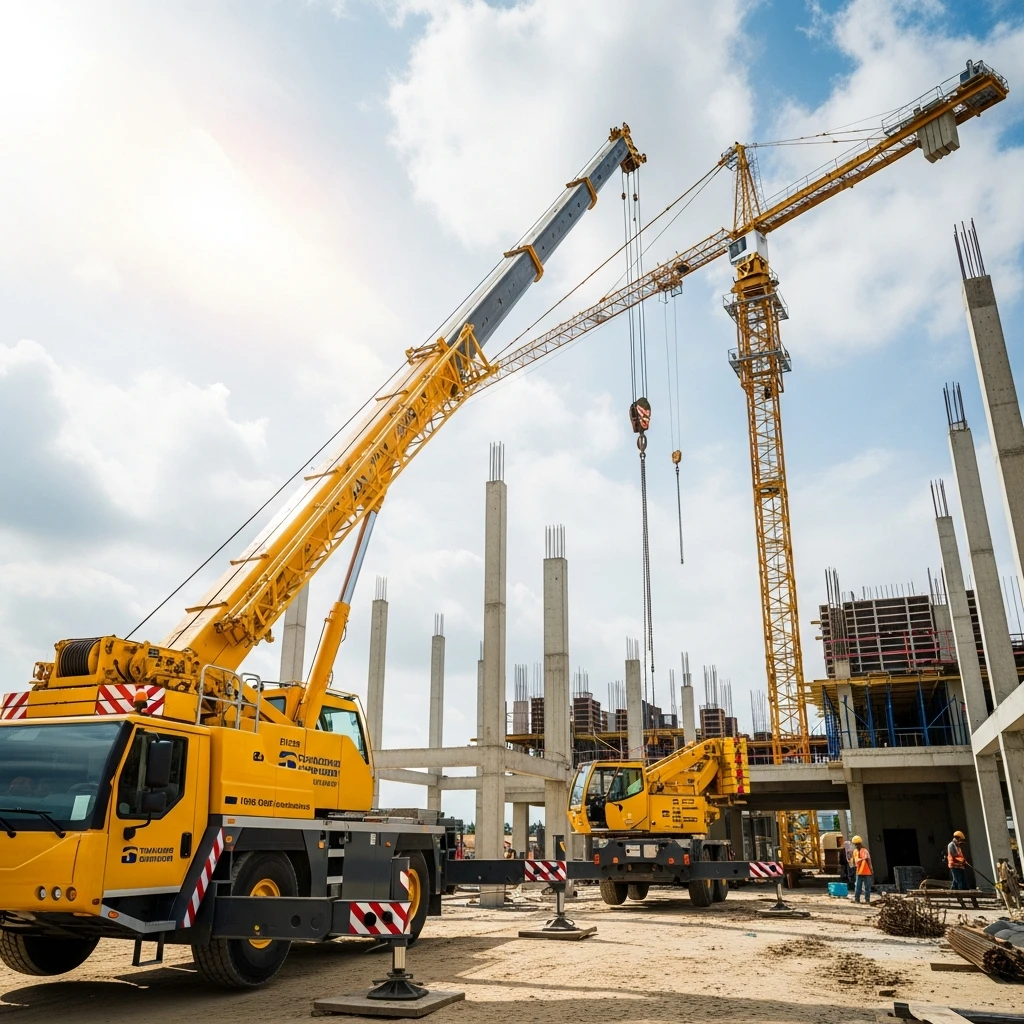
Modern home building and renovation have evolved far beyond basic framing and finish work. Today’s homes feature open floor plans, large structural spans, oversized windows, prefabricated components, and heavier materials that demand precision during installation. While these design trends create beautiful living spaces, they also introduce challenges that cannot be solved solely through manual labor. Heavy-lifting equipment and professional rigging tools now play a central role in modern residential construction.
Behind nearly every major structural installation is a coordinated lifting system consisting of slings, hooks, shackles, crane lifting beams, and controlled hoisting equipment. These tools enable builders to safely move, position, and secure materials that would otherwise be impractical or unsafe to handle on a residential job site.
Why Residential Construction Now Relies on Heavy Lifting Equipment
As home designs become more complex, the materials used to support them have grown heavier and more specialized. Steel beams are often required to replace traditional wood headers in open-concept renovations. Engineered lumber, prefabricated wall panels, large roofing assemblies, and precast concrete elements are increasingly common in both new builds and major remodels.
Moving and installing these components safely requires more than manpower. Heavy lifting equipment enables builders to control load movement, maintain balance, and place materials accurately. Rigging hooks are a critical part of this process, providing a secure connection between the load and the lifting system. Without properly rated hooks, even the best lifting plan can fail.


Slings, Shackles, and Hooks Working Together
Lifting slings are a staple of residential rigging. Synthetic web slings and round slings are frequently used because they are lightweight, flexible, and less likely to damage finished materials. These slings wrap around beams, panels, and assemblies, evenly distributing the load.
Rigging hooks connect these slings to hoists or crane hooks, while shackles provide strong, adjustable connection points. Screw-pin shackles are commonly used in residential settings because they allow quick assembly and adjustment as lifting conditions change.
This combination of slings, shackles, and hooks forms a balanced system that allows loads to be lifted smoothly and predictably. Each component helps maintain stability, especially when working in tight residential spaces.
Precision Lifting with Beams, Spreader Bars, and Hooks
Long or uneven loads pose a unique challenge during home construction. Steel beams, roof trusses, and modular sections can bend or shift if lifted incorrectly. Lifting beams and spreader bars help address this issue by distributing weight evenly across multiple rigging points.
Rigging hooks are used at each connection to ensure a secure attachment between the load and the lifting device. By maintaining proper sling angles and connection points, the hooks help prevent twisting and uneven stress during the lift.
This level of control is essential when placing materials in partially completed structures. Builders can guide loads into position with confidence, knowing the rigging system will remain stable until the material is fully set.
Chain Hoists and Come Alongs for Controlled Placement
Not every residential lift requires a crane. Renovation projects often rely on chain hoists and come-alongs to raise or reposition materials indoors or in confined areas. These tools enable gradual, controlled movement that is ideal for fine adjustments.
Rigging hooks are integral to these systems. They connect hoists to beams, joists, or temporary anchor points, enabling builders to lift components incrementally. This is especially useful when installing steel supports, stair assemblies, or mechanical equipment within existing structures.
Because chain hoists and come-alongs offer precise control, they reduce the risk of sudden movement that could damage framing or finishes.
Improving Safety on Residential Job Sites
Residential construction sites pose unique safety challenges. Limited space, uneven ground, and proximity to existing structures increase the risk of injury if materials are handled improperly. Heavy lifting equipment helps minimize these risks by reducing the need for manual handling.
Rigging hooks directly contribute to safer lifting operations. Secure hook designs prevent accidental disengagement, and clearly rated capacities ensure loads remain within safe limits. Tag lines are often used alongside hooks to guide loads without placing workers beneath suspended materials.
Using professional rigging tools also promotes better planning. Builders are more likely to assess load weights, lifting points, and connection methods in advance, reducing surprises during installation.
Supporting Faster and More Efficient Builds
Efficiency is critical in home construction and renovation. Delays increase costs and disrupt schedules, especially when homeowners are living nearby or in the structure. Heavy lifting equipment speeds installation by enabling larger components to be placed quickly and accurately.
Prefabricated sections, for example, can be lifted into place using slings and rigging hooks rather than being assembled piece by piece. This reduces labor time while improving consistency and build quality.
Even small tasks benefit from proper rigging. Installing large windows, stone countertops, or heavy appliances becomes easier and more predictable when lifting systems are used correctly.
The Growing Role of Rigging in Residential Construction
As residential construction continues to embrace modern design and advanced materials, the need for professional lifting solutions will only grow. Rigging hooks, slings, beams, and hoists are no longer reserved for commercial projects. They are essential tools for builders who want to deliver high-quality results safely and efficiently.
By integrating proper rigging practices into home building and renovation, contractors can handle heavier loads, improve safety, and meet the demands of modern construction.
Final Thoughts
Heavy lifting equipment plays a vital role in shaping today’s homes. From structural installations to detailed renovations, rigging tools enable precise, controlled movement and placement of materials. Rigging hooks, in particular, form the backbone of these systems, safely and reliably connecting every component.
As home construction continues to evolve, builders who understand and use proper lifting equipment are better positioned to deliver strong, safe, and beautifully built homes that meet modern expectations.