
Your roof is the one part of your house you probably think about the least…until something goes wrong. It sits up there, quietly doing its job, protecting everything underneath it from rain, wind, snow, and sun. And because you don’t interact with it daily the way you do with your kitchen or bathroom, small problems have a tendency to grow into expensive ones before you even notice them.
The good news is that most roof issues announce themselves well before they become emergencies. You just have to know what to look for. Here are seven warning signs that your roof needs attention and why acting early almost always saves you money.
1. Missing or Damaged Shingles
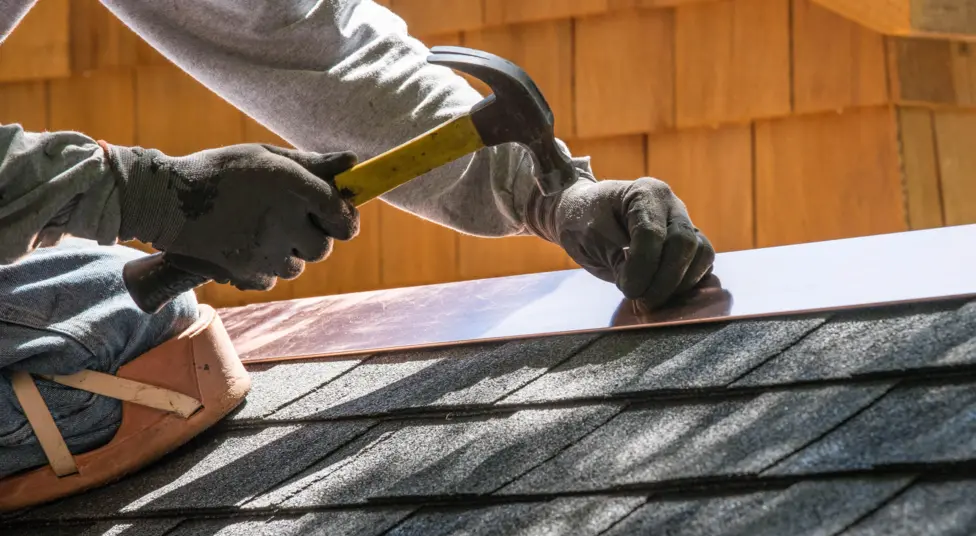
This is the most visible sign of roof trouble and the one most homeowners notice first. If you can see bare patches on your roof where shingles have blown off, or if you find shingle pieces in your yard after a storm, your roof’s protective layer has been compromised.
Missing shingles expose the underlayment and roof deck to moisture, which can lead to leaks, wood rot, and mold growth in the attic. A few missing shingles can usually be replaced quickly and affordably. Ignoring them turns a $200 repair into a $2,000 problem.


2. Granules in Your Gutters
Asphalt shingles are coated with small granules that protect them from UV radiation and weather. Over time, these granules wear off naturally, but excessive granule loss (visible as sandy, gritty material accumulating in your gutters or at the base of your downspouts) signals that your shingles are deteriorating faster than they should.
If your roof is relatively new and you’re already seeing granule buildup, it could indicate a manufacturing defect or improper installation. On an older roof, heavy granule loss usually means the shingles are approaching end of life and replacement should be planned.
3. Water Stains on Ceilings or Walls
Brown or yellowish stains on your ceiling are rarely a plumbing issue. More often, they indicate water infiltrating through the roof and travelling along rafters or sheathing before dripping down to the living space below.
The tricky part is that the stain’s location on your ceiling doesn’t always correspond to the leak’s location on your roof. Water can travel a surprising distance along structural members before it finds a place to drip. A professional inspection is the fastest way to trace the leak back to its source and determine whether a targeted repair or broader intervention is needed.
4. Sagging or Uneven Roofline
Stand across the street from your home and look at your roofline. It should be straight and level. If you see any dipping, sagging, or waviness, that’s a sign of structural trouble: potentially rotting decking, weakened rafters, or excessive weight from years of layered shingle installations.
A sagging roofline is one of the more urgent warning signs on this list because it indicates that the roof’s structural integrity may be compromised. This isn’t a wait-and-see situation, it requires immediate professional evaluation.
5. Damaged or Missing Flashing
Flashing is the thin metal material installed around chimneys, vents, skylights, and where the roof meets a wall. Its job is to redirect water away from these vulnerable intersections. When flashing corrodes, lifts, or breaks loose, water can penetrate at the exact points where the roof is most susceptible to leaks.
Flashing damage is easy to miss from the ground and is one of the most common causes of persistent roof leaks. If you’ve had a leak repaired and it keeps coming back, failed flashing is often the culprit.
6. Daylight Visible Through the Attic
If you go into your attic during the day and can see pinpoints of light coming through the roof boards, water can get through those same openings. This typically indicates cracked or deteriorated sheathing, failed underlayment, or holes left by previous repairs.
While you’re up there, also check for signs of moisture: damp insulation, dark staining on wood surfaces, and any musty odour. These all point to water intrusion that needs to be addressed from the outside.
7. Your Roof Is Approaching 20 to 25 Years Old
Standard asphalt shingle roofs have a lifespan of roughly 20 to 30 years, depending on the quality of materials, installation, climate exposure, and maintenance history. If your roof is in that age range and you’re seeing any of the signs above, it’s time for a professional inspection to determine whether repair or replacement makes more financial sense.
A qualified roofing contractor can assess the overall condition of your roof, identify problem areas, and give you an honest recommendation. If you’re in the Northeast, where freeze-thaw cycles, nor’easters, and heavy snowfall accelerate wear, this is especially important.
Homeowners in states like New Jersey, for example, often benefit from working with a contractor experienced in regional weather patterns — a specialist in NJ roof repair can identify issues specific to the climate, such as ice dam damage, wind-driven rain infiltration, and the effects of salt air on coastal properties.
When to Repair vs. When to Replace
Not every roof problem requires a full replacement. Here’s a general framework for deciding:
Repair makes sense when: the damage is localised (a few shingles, a single flashing failure, one small leak), the roof is less than 15 years old, and the rest of the roof is in good condition.
Replacement makes sense when: repairs are becoming frequent, the roof is approaching or past its expected lifespan, there is widespread granule loss or shingle deterioration, or there are structural concerns like sagging.
When in doubt, get two or three professional opinions. A reputable contractor will give you an honest assessment rather than pushing you toward the most expensive option.
The Bottom Line
Your roof protects everything underneath it: your belongings, your comfort, your family, and your home’s value. Catching problems early is the single most cost-effective thing you can do as a homeowner.
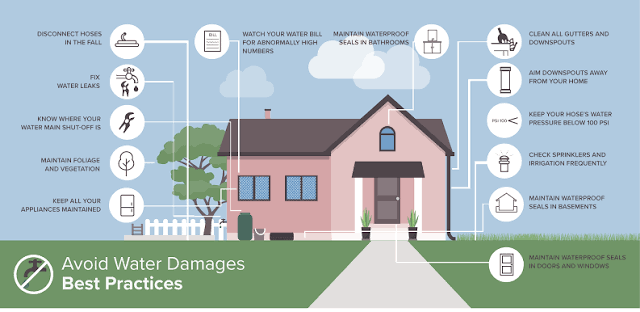
Make it a habit to visually inspect your roof from the ground twice a year (spring and autumn), check your attic for signs of moisture after major storms, and keep your gutters clean so water drains properly. When you do spot something concerning, act quickly. The gap between a minor repair and a major project is usually just a few months of inaction.