

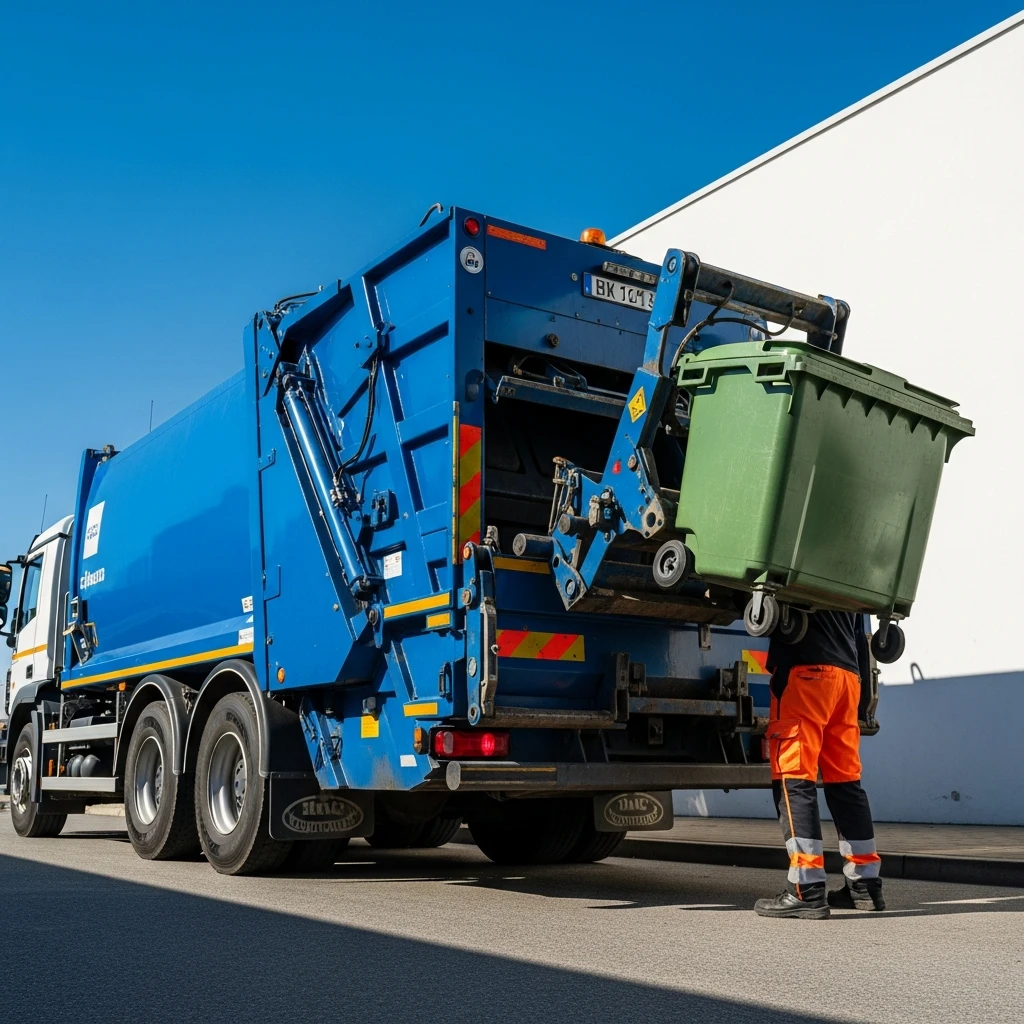
Most people view sanitation vehicles as a mundane part of the urban landscape that signifies a clean and functioning community. These massive machines move through our neighborhoods with a predictable rhythm, performing a vital service that often goes unnoticed. We have become so accustomed to their presence that we often forget the immense physical power required to operate them safely every day.
Because these vehicles typically move at a walking pace while collecting waste, drivers often assume they pose very little risk to surrounding traffic. This perceived safety is a dangerous illusion that ignores the sheer mass and mechanical complexity of the equipment. A slow-moving vehicle can still cause catastrophic damage if it makes a sudden and unexpected maneuver in a tight residential space.
Navigating the aftermath of a collision with a waste management vehicle requires a specialized understanding of both physics and administrative law. The structural design of the truck and the specific operational routes create a hazard profile that is unlike any other commercial vehicle on the road. Many victims find that an incident involving a garbage truck requires intense legal scrutiny to ensure a fair and just recovery today.
Size, Weight, and Limited Visibility
The physical dimensions of a standard sanitation vehicle are designed for maximum carrying capacity rather than agile movement through narrow city streets. A fully loaded truck can weigh upwards of thirty tons, which is several times heavier than the average passenger SUV or sedan. This massive weight creates a level of momentum that is incredibly difficult for the driver to arrest quickly.


Visibility is a significant challenge because the cab of the truck is positioned high above the ground and surrounded by mechanical arms. These components create massive blind spots that can completely hide a small car or a cyclist from the operator’s view for several seconds. Even with modern cameras, the driver must manage a constant flurry of visual data that can be overwhelming.
The high center of gravity also makes these trucks susceptible to rollovers if they are forced to make a sudden turn to avoid a hazard. When a vehicle of this size tips over, it crushes everything in its path and can cause widespread property damage. Understanding the physical limitations of the truck’s design is the first step in assessing why a specific collision occurred.
Frequent Stops and Sudden Movements
The operational rhythm of a waste collection route is defined by a series of frequent stops and starts every few yards. This stop-and-go pattern creates a high level of unpredictability for other motorists who may be trying to navigate around the large vehicle. Drivers often grow impatient and attempt dangerous passing maneuvers that lead to side-swipe impacts or head-on collisions.
Sanitation workers are often under intense pressure to complete their routes within a specific time window regardless of the traffic conditions. This can lead to a sense of routine that dulls the driver’s awareness of their immediate surroundings over a long shift. When an operator becomes complacent, they may pull back into traffic without fully verifying that the lane is clear.
The mechanical components of the truck, such as the loading arms and the compactors, also move with great force while the vehicle is stationary. If a pedestrian or a cyclist moves too close to the truck, they could be struck by a swinging bucket or trapped by the equipment. These sudden mechanical movements add a layer of risk that is unique to the waste management industry.
Residential and Pedestrian Exposure
Unlike long-haul freight trucks that stay on the highways, sanitation vehicles spend the majority of their time in dense residential zones. These areas are filled with children playing, residents walking their pets, and cyclists navigating the narrow shoulders of the road. This high level of exposure to vulnerable road users increases the probability of a tragic and preventable encounter.
Narrow streets lined with parked cars further restrict the space available for a massive truck to maneuver safely during the morning rush. The driver must constantly thread the needle between obstacles while monitoring their mirrors for any signs of movement from nearby driveways. It is a high-stress task that requires constant attention and a very slow and deliberate speed.
Backing up is perhaps the most dangerous maneuver a truck performs in a neighborhood because of the limited view behind the tall hopper. Despite the use of backup alarms, the noise of the engine can often drown out the warning for a person standing directly behind the truck. Residential exposure makes the safety of the local community the primary responsibility of every driver.
Conclusion
Summarizing the unique dangers of sanitation vehicles highlights the need for a higher level of awareness and caution from everyone on the road. The combination of massive weight, limited visibility, and residential operation creates a risk profile that demands professional scrutiny after any incident. Safety must always be prioritized over the speed and efficiency of the waste collection route.
By acknowledging the physical and operational challenges discussed here, residents can better anticipate the risks of sharing the road with these machines. Taking an extra moment to provide space and avoiding the truck’s blind spots can prevent most common accidents from happening in the first place. Respecting the power of the equipment keeps the entire neighborhood safer for every family.
Ultimately, the goal is to ensure that essential community services do not come at the cost of human life or physical health. Holding negligent parties accountable forces a higher standard of training and vehicle maintenance across the entire industry. Every successful claim contributes to a future where our streets are safer for pedestrians and drivers alike during every single day.