

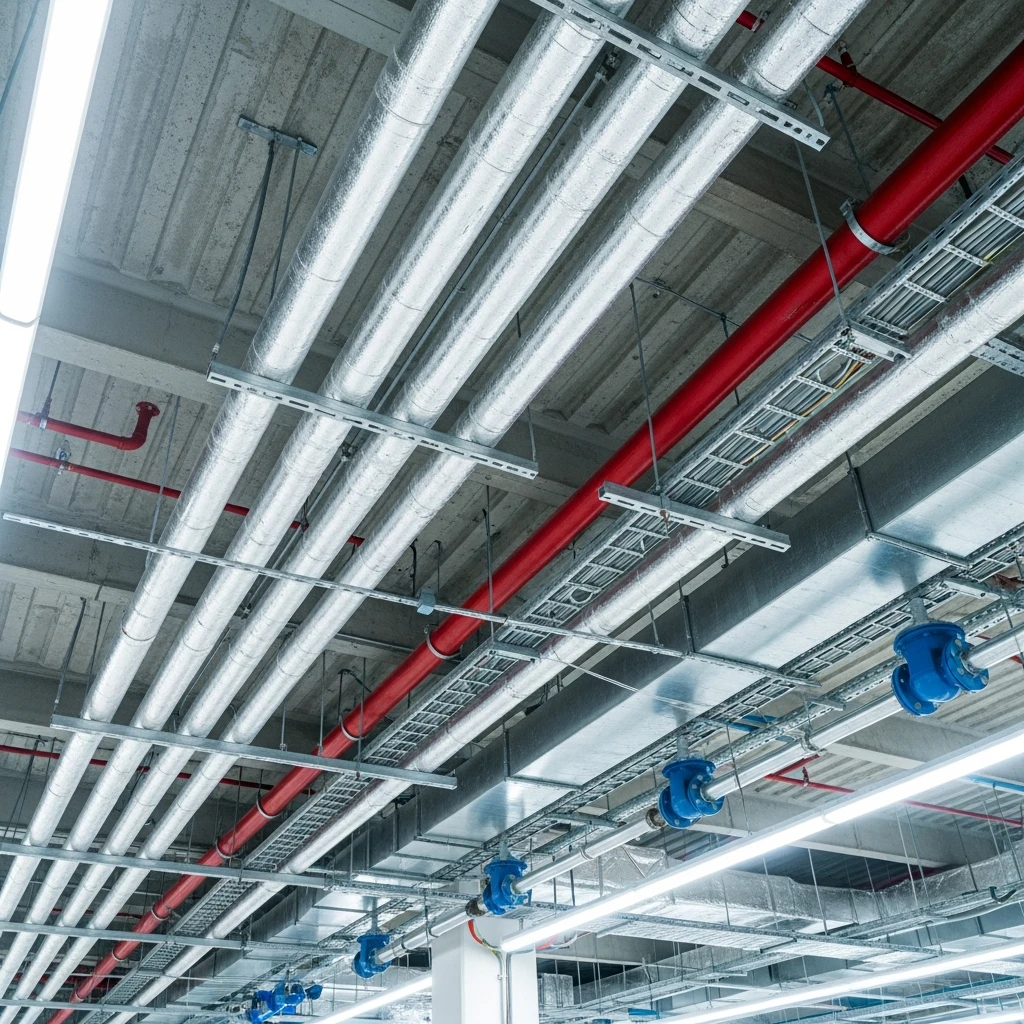
When embarking on industrial projects, the choice of insulation often takes a backseat to other elements like structural design and equipment selection. However, insulation should not be underestimated; it plays a pivotal role in operational efficiency, energy savings, and overall project success. This is particularly true for temperature-sensitive industries such as food processing, pharmaceuticals, and manufacturing. Here’s a deeper look into the significance of selecting the right insulation for industrial settings.
Understanding the Role of Insulation
Insulation serves multiple purposes in industrial projects. Primarily, it regulates temperature, preventing heat loss in winter and heat gain in summer. A well-insulated facility can maintain optimal working conditions while reducing energy costs. Additionally, insulation contributes to soundproofing, which can be crucial in environments where noise control is critical, such as in manufacturing plants.
The Importance of Thermal Performance
Thermal performance is a core aspect to consider when choosing insulation. For example, materials with high R-values provide better thermal resistance, enhancing energy conservation. In temperature-controlled facilities, maintaining a stable environment is essential for product integrity. If the insulation is insufficient or poorly installed, businesses run the risk of product spoilage or equipment malfunction.
By opting for solutions built for temperature-controlled facilities, operators can significantly enhance the thermal performance of their spaces, ensuring products remain safe and effective while optimising energy use.


Factors Influencing Insulation Choices
Several factors come into play when selecting insulation for industrial projects. Understanding these can assist in making informed decisions.
Material Types
Various materials serve different purposes in insulation. Here are some common options:
- Fibreglass: A popular choice due to its cost-effectiveness and good R-value. However, it can be sensitive to moisture.
- Polyurethane Foam: Known for its excellent thermal resistance, this type of insulation is particularly effective in temperature-controlled areas.
- Mineral Wool: Offers fire resistance along with thermal benefits, making it suitable for high-temperature applications.
The choice of material often comes down to the specific requirements of the facility, the local climate, and budgetary constraints.
Environmental Conditions
Industrial facilities face unique challenges based on their environment. Factors such as moisture, temperature fluctuations, and exposure to chemicals can impact the performance of insulation materials. For instance, in areas prone to high humidity, moisture-resistant materials are crucial to prevent mould growth and maintain R-value over time.
The local climate is also a major consideration. A facility located in a region with extreme temperatures may require more robust insulation solutions compared to one situated in a milder climate.
Building Functions
Different functions of the building will also dictate the insulation needs. For example:
- Cold Storage: Requires insulation that minimises heat transfer to maintain low temperatures.
- High-Temperature Processes: Needs materials that can withstand extreme heat without degrading.
Understanding the operational demands of the facility ensures the chosen insulation aligns with its intended function.
The Cost Implications
While upfront costs are often a primary concern, it’s crucial to consider the long-term financial implications of poor insulation. High energy bills due to inadequate insulation quickly offset any initial savings on material costs. Many studies have shown that investing in higher-quality insulation can lead to substantial energy savings over time, making it a financially sound decision.
Life Cycle Analysis
Evaluating the material’s life cycle—considering production, durability, and disposal—can provide a clearer picture of its long-term viability. Some materials, while initially more expensive, may demonstrate longevity and lower maintenance costs, making them a better investment.
Installation Matters
Even the best insulation material can underperform if not properly installed. Engaging experienced professionals for installation is crucial to ensuring that the insulation performs as intended. A poorly executed installation may lead to gaps or thermal bridges, both of which compromise the effectiveness of insulation.
Regular Maintenance
Once installed, regular inspections and maintenance of insulation can extend its lifespan. Identifying issues such as moisture ingress or wear and tear early can help mitigate larger problems down the line.
Regulatory Considerations
Last but not least, industrial projects must adhere to a variety of regulations concerning insulation. Compliance with building codes and industry standards can guide the selection process and influence material choices. Neglecting these regulations can lead to significant penalties, project delays, and safety issues.
Conclusion
The insulation choice for industrial projects is not just a matter of comfort; it directly influences energy efficiency, operational effectiveness, and compliance with safety standards. By prioritising thermal performance, being mindful of environmental conditions, and considering how the building will be used, project leaders can make informed decisions that pay off in the long run.
Investing in solutions built for temperature-controlled facilities provides invaluable benefits, particularly for industries where maintaining specific temperatures is paramount. As the industry progresses toward greater energy efficiency and operational sustainability, the right insulation strategy will remain a fundamental aspect of any successful industrial project.
Ultimately, the correct insulation choice, backed by thorough research and expert installation, can transform an ordinary facility into an optimized powerhouse of productivity and efficiency. Prioritising this element in industrial design and construction will yield benefits that extend well beyond the initial investment.