

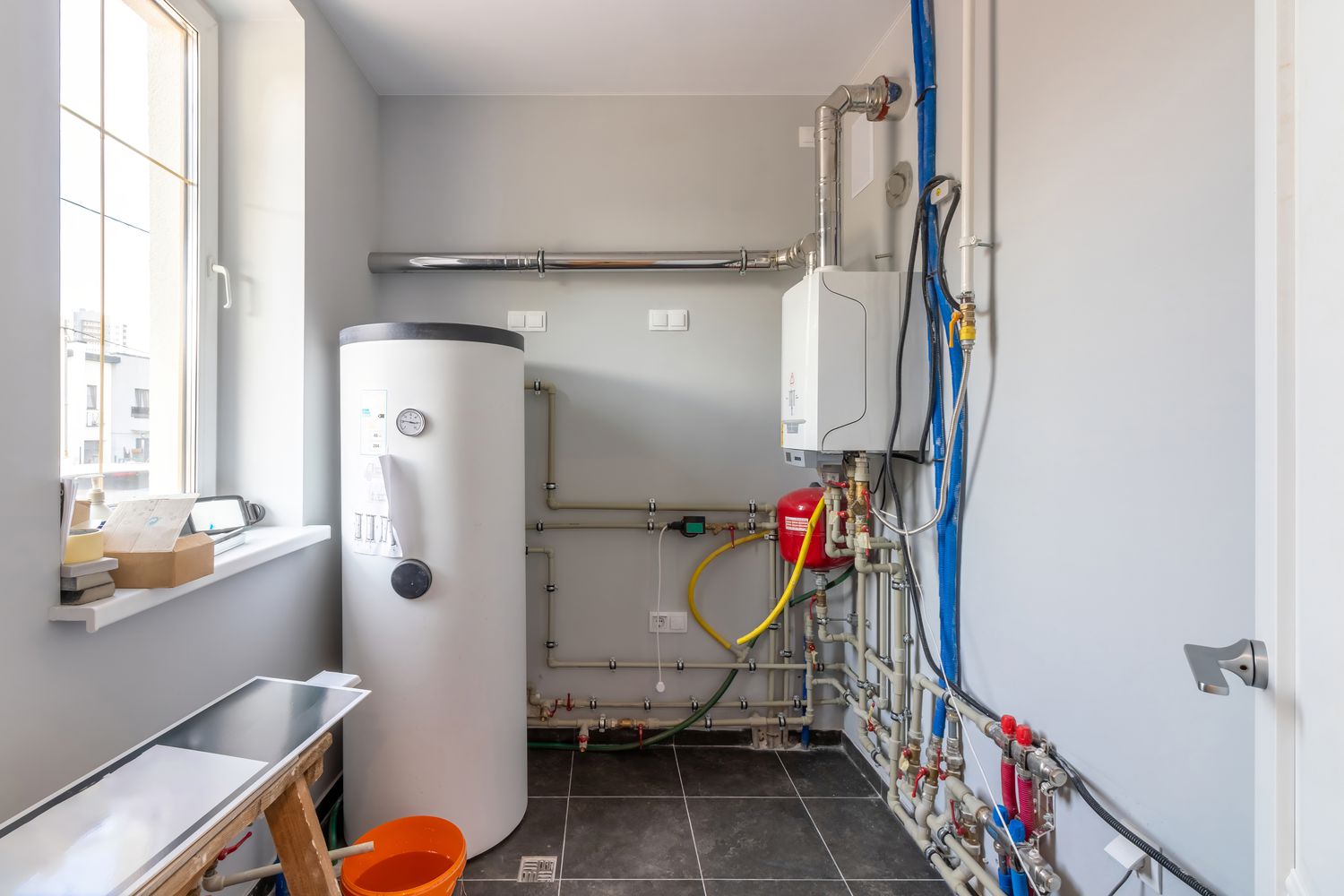
Homeowners often assume that when a furnace struggles, the problem lies with the unit itself. In reality, many heating complaints stem from airflow issues that quietly undermine performance long before a breakdown occurs. Poor airflow affects comfort, efficiency, and equipment lifespan, yet it is frequently missed because the furnace may still turn on and produce heat. Addressing airflow as part of reliable heating system upkeep helps prevent small imbalances from turning into expensive repairs or premature replacements.
Airflow Is the Backbone of Furnace Performance
In addition to producing heat, a furnace relies on consistent, unhindered airflow to disperse that heat throughout the house. The system has to work harder to produce the same results when airflow is limited or irregular. Over time, this strain has modest but visible effects on internal components, raises energy consumption, and decreases comfort.
Airflow issues frequently arise gradually. The system might cycle more regularly than it should, rooms might feel a little colder, or heat might take longer to circulate. Many homeowners adjust to these changes rather than seeing them as warning indicators since they occur gradually.
Why Airflow Problems Are So Easy to Miss
Airflow problems are rarely obvious, unlike a furnace that won’t come on or makes loud, frightening noises. Even though the system is running inefficiently, it may be working, generating warm air at vents. A false sense of security is produced as a result.


Locations like ductwork, internal blower components, or return air paths that homeowners seldom check can be the source of airflow issues. Until comfort drastically declines or a technician finds the problem during a repair visit, these components are frequently forgotten because they are hidden from view.
Common Causes Hidden Behind Everyday Comfort Issues
Airflow issues are caused by several variables, many of which are unrelated to the age or brand of the furnace. Inadequately sized, damaged, or leaky ductwork is one of the most frequent offenders. The amount of warm air that reaches some rooms can be reduced by even a slight duct collapse or by holes that upset the pressure balance.
Restrictive or clogged air filters are another common problem. Dust and debris accumulate when filters are not replaced regularly, restricting airflow and forcing the blower motor to work harder. Over time, this increased stress may result in motor failure or overheating.
Return vents that are inadequate or blocked also affect performance. For a furnace to function well, there must be enough return air. Even if the furnace itself is in good condition, airflow suffers when furnishings, renovations, or layout modifications limit returns.
How Poor Airflow Impacts Energy Efficiency
A furnace adjusts by operating longer or cycling more frequently when airflow is constrained. This uses more energy without providing commensurate comfort. If the thermostat settings haven’t changed, homeowners may observe increased utility bills without knowing why.
Hot and cold areas result from inefficient ventilation, which also hinders the uniform distribution of heat. As a result, residents might turn up the thermostat to warm colder spaces, which would use more energy. As a result, the system is more expensive to operate and provides less reliable comfort.
Seasonal Changes Can Expose Airflow Weaknesses
During the hottest part of the year, airflow issues frequently become more apparent. Any limitations are amplified when demand rises. When temperatures drop, homes that were “largely comfortable” in mild weather may struggle to stay warm.
Seasonal use might also highlight problems brought on by altered room layouts, restricted vents, or modifications undertaken during the warmer months. Although these changes may appear innocuous, they can interfere with the furnace’s required airflow patterns.
Why DIY Fixes Rarely Solve the Problem
Homeowners may try simple remedies, such as changing filters or altering vents, which can occasionally be helpful but seldom address fundamental airflow imbalances. Accurately identifying pressure problems, duct leaks, or internal constraints is challenging without the right tests.
Expert assessments evaluate airflow across the system using instruments and measurements. This ensures that the furnace functions as intended rather than making up for invisible barriers by enabling targeted solutions rather than speculation.
Airflow and Indoor Air Quality Are Closely Linked
Air quality is impacted by restricted airflow in addition to temperature. Inadequate circulation prevents dust, allergens, and pollutants from being effectively filtered and dispersed. This may make indoor air stale or worsen respiratory problems.
By maintaining adequate ventilation and filtration, balanced airflow promotes cleaner air. Filters function better, and home comfort goes beyond temperature control when air flows freely through the system.
Preventing Airflow Problems Before They Escalate
Proactive attention to airflow is one of the most effective ways to protect a furnace. Regular inspections help identify duct issues, filter restrictions, and pressure imbalances early. These adjustments are typically far less costly than repairing damage caused by long-term strain.
Incorporating airflow checks into reliable heating system maintenance ensures the furnace isn’t just operational but also optimized. This approach focuses on how the entire system functions together rather than treating symptoms in isolation.
Final Thoughts
Addressing airflow issues often leads to immediate improvements in comfort and efficiency. Rooms warm more evenly, systems run more quietly, and energy usage stabilizes. Over time, reduced strain extends equipment life and lowers the likelihood of unexpected breakdowns, especially when paired with a routine furnace maintenance service that keeps components clean and balanced. While airflow problems are common, they don’t have to be accepted as normal. Recognizing their impact and addressing them proactively helps homeowners get the full performance their heating systems were designed to deliver, season after season.