
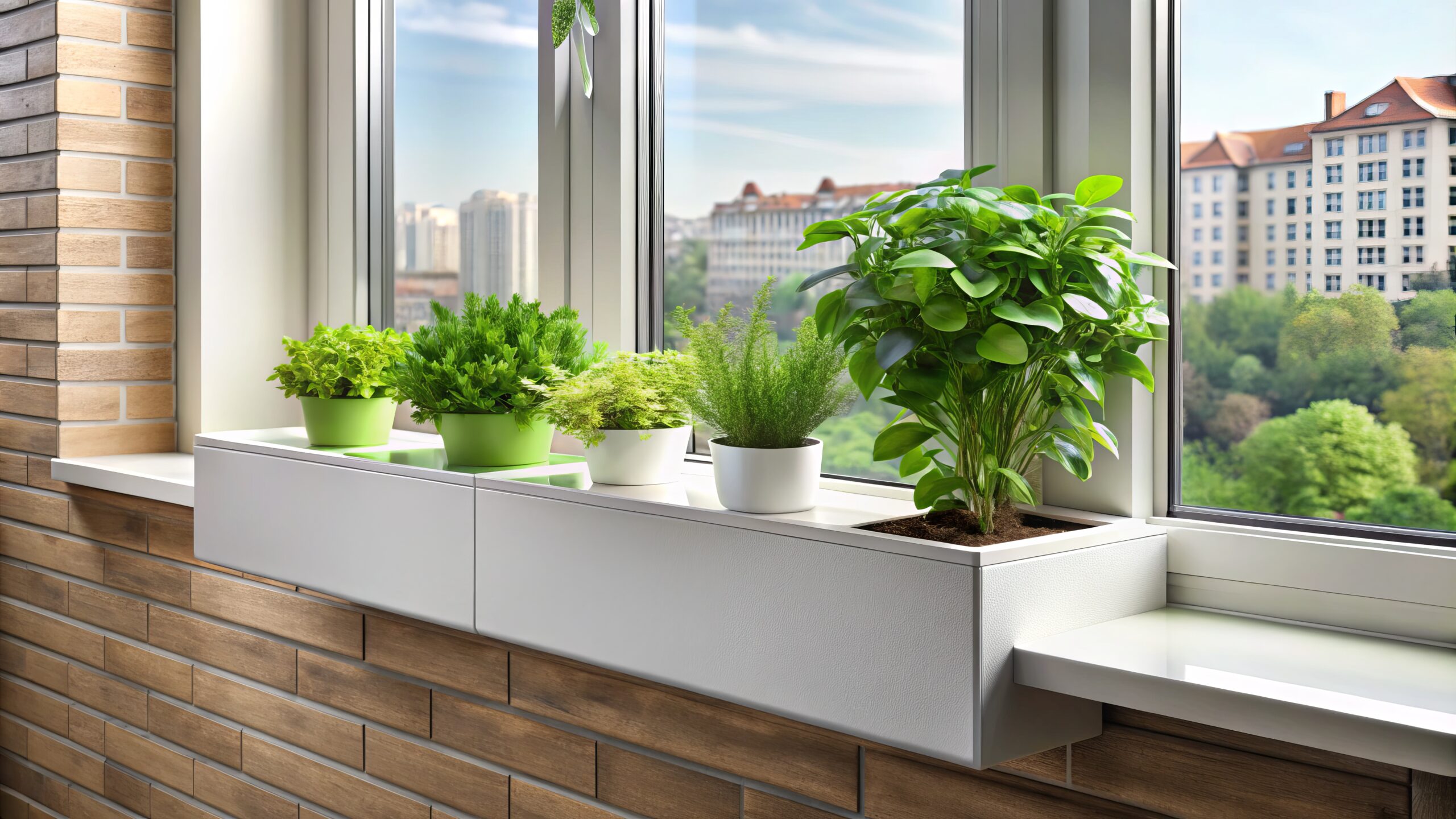
PVC planters and plastic pots offer a simple way to bring greenery into apartments. They stay light, look modern, and handle daily use well. Because of this, they fit both small and open layouts without adding much weight or maintenance.
Why PVC Planters Work Well for Small Spaces
PVC planters help maximize limited room because they’re easy to move and position. This is helpful for renters who like to rearrange their space or shift plants toward better lighting. The material also holds up against moisture, which keeps the planter in good condition over time.
Many apartment gardeners struggle with finding containers that don’t warp, fade, or break down outdoors, especially on balconies where sunlight and rain hit directly. This is where PVC planters become a practical choice because they offer strong weather resistance while still fitting well in small outdoor areas.
PVC planters remain popular in apartments because they support a flexible layout. You can place them on shelves, small tables, or balcony corners without feeling restricted by weight.

Types of PVC Planters for Apartment Living
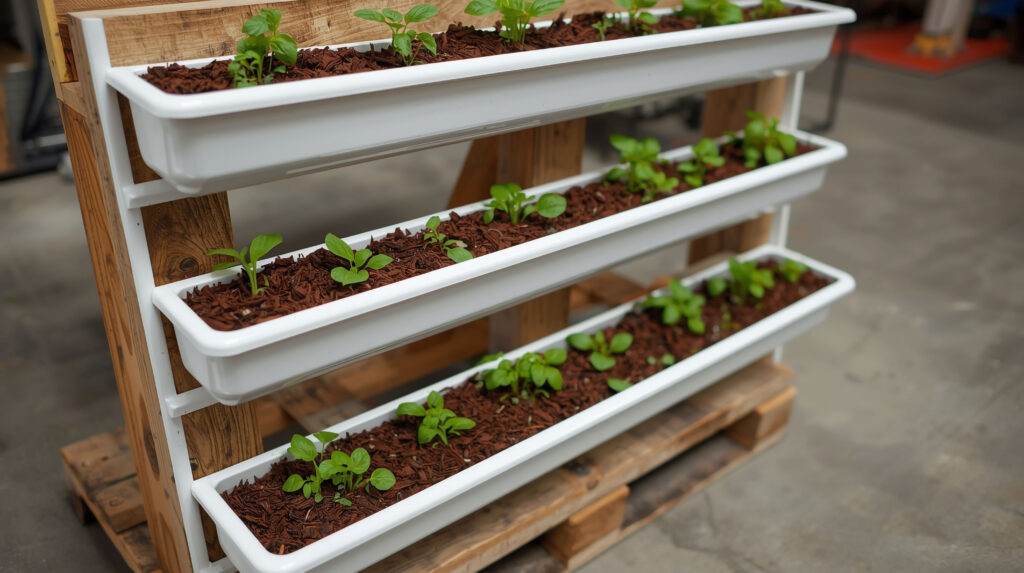
Different planter types work better for different areas of the home, and choosing the right one helps plants grow well while keeping the space balanced.
Tabletop Planters
Tabletop planters sit well on desks, countertops, and windowsills. They add color to small rooms without taking over the surface. Many people use them for herbs or smaller indoor plants that stay close to eye level.
Floor Planters for Large Plants
Floor planters fit larger indoor plants that need more soil and room to spread. They help fill empty corners and create natural focal points. Their wide base keeps tall plants steady, which is useful in homes with limited floor space.
Design Styles That Fit Modern Apartments
PVC planters come in several shapes and finishes, so they blend well with many decorating styles. Rounded pots create a softer look, while straight-sided designs match more structured interiors. Some planters mimic stone or woven textures, which gives the room more character.
Color also changes the feel of a space. Neutral tones provide a calm backdrop for plants. Brighter colors work well on a balcony or near natural light. With so many options, it becomes easy to style spaces without making them feel crowded.
Planters for Indoor Plants
Indoor plants need planters that help manage moisture and airflow. Plastic plant pots support this by drying evenly and staying proportional to smaller spaces. Their weight also makes them easy to place on shelves or plant stands.
Helpful Indoor Features
Drainage Holes help prevent water from pooling at the bottom of the pot. This supports healthier roots and reduces the chance of rot. Some PVC planters also come with a self-watering planter feature. This helps busy residents keep their plants hydrated without checking them every day.
Balcony, Porch, and Outdoor Use
PVC works well outdoors because it stays smooth and stable in different weather conditions. This makes it a good choice for balconies and porches where plants receive more sun or rain. Slim porch planters help shape small outdoor areas without blocking walkways. Mixing a few heights and shapes creates depth even when space is limited.
Hanging Basket Options
A hanging basket helps open up floor space and adds height to a plant display. It’s a practical pick for trailing plants. Secure hooks and strong brackets keep the setup safe, especially on railings or porch beams. Once installed, hanging planters add movement and variety to the outdoor layout.
Growing Larger Plants in PVC Containers
PVC containers offer enough strength to support bigger plants that need deeper soil. Their shape helps roots grow evenly, which supports healthier plants over time. Larger planters also give wide or tall varieties enough room to stay balanced.
Choosing the right size matters, since plants with thick roots benefit from wider pots and tall plants grow better in deeper containers. This pairing helps the plant develop at a steady pace.
Using Plastic Pots for Easier Plant Care
Plastic pots simplify everyday plant care because they’re easy to lift, clean, and adjust. Many gardeners place a nursery planting pot inside a decorative planter. This makes watering simpler because you can remove the inner pot to drain excess moisture. It also helps during repotting since the flexible plastic makes it easy to loosen the soil.
Here are a few plants that adapt well to PVC and plastic containers:
• pothos
• snake plants
• herbs
• peace lilies
These plants grow steadily and require limited upkeep. They fit well in apartments where lighting and space may vary.
After starting with these types, it becomes easier to explore other plants and planter combinations.
Style and Function: Matching Planters to Plant Needs
Each plant behaves differently, so choosing the right planter depends on sunlight, watering routine, and growth pattern. Some plants stay small, while others stretch upward or trail downward.
Simple Pairing Examples
Herbs work well in tabletop planters because they stay compact. Tall indoor plants feel natural in floor planters that keep them steady. Trailing plants, on the other hand, grow beautifully in hanging planters where their vines can fall freely.
Budget-Friendly Tips for Apartment Gardeners
Apartment gardening stays affordable when you combine standard plastic pots with decorative outer planters. Many stores offer planter sets at a low cost, making it easier to fill several rooms with greenery. Older planters can also be reused for seedlings or small cuttings. A quick wash makes them ready for new plants and reduces the need to buy more containers.
Conclusion
PVC planters and plastic pots offer a mix of style, strength, and convenience for apartment living. With the right sizes and features, they help create a plant setup that feels organized and easy to maintain. They also fit nearly any room, which makes them an easy choice for anyone building a simple indoor or outdoor garden.