

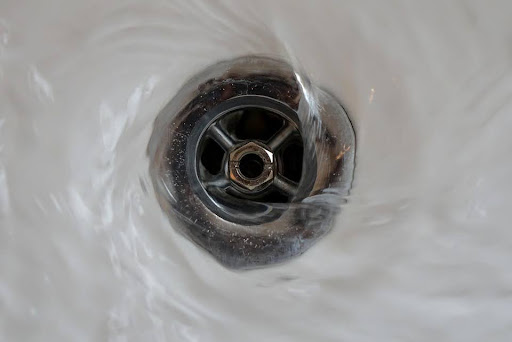
Keeping your home free from messy and expensive sewer issues is a lot easier when you take a few smart preventive steps.
Sewer backups usually happen slowly, giving you clues before trouble hits. And by staying on top of maintenance and understanding what causes clogs, you can avoid most emergencies.
Keep Your Drains Clear With Good Daily Habits
A lot of sewer backups start with small clogs that build up over time. Basic habits can make a huge difference in how well your system handles everyday wastewater.
Watch What You Put Down the Drain
Grease, wipes, and leftover food often create thick blockages inside pipes. Even products labeled as flushable can stick together and cause major sewer restrictions.


Use Strainers
Catching hair and debris before it enters drains is one of the easiest preventive steps.
Run Hot Water Regularly
Hot water keeps oils from settling inside pipes and helps push small buildups away before they grow.
Maintain Your Sewer Line With Routine Inspections
Your sewer line works quietly underground, but small cracks, tree roots, and shifting soil can all affect how well it functions. Staying ahead of these issues keeps backups from surprising you.
Get Professional Camera Inspections
Inspecting your line every year or two can reveal early problems. Sewer televising helps spot hidden blockages before they escalate.
Understand Hidden Water Damage Risks
Backups often get worse when homeowners don’t know the warning signs. Slow drains, recurring gurgling, and moisture in the yard can mean your sewer line is struggling.
If You Notice Early Symptoms
If you notice slow drains, repeating gurgles, or occasional backups, it usually means your sewer line needs attention sooner rather than later.
In situations like that, working with a professional who provides same-day repair service for sewer lines can help you address the issue before it turns into a bigger problem.
Protect Outdoor Areas Around Your Sewer Line
What happens outside your home influences what happens inside your pipes. Your yard can either help or harm your sewer system, depending on how it’s managed.
Be Careful With Landscaping Choices
Large trees might look great, but their roots can invade pipes in search of moisture. Choose plants with small, noninvasive root systems near sewer lines.
Keep Gutters and Downspouts Clear
Overflowing rainwater can flood the soil, push debris into the system, and increase the chance of backups.
Avoid Heavy Loads Over Sewer Lines
Parking vehicles or placing heavy structures over your line can compress the soil and damage pipes.
Wrapping Up
Keeping sewer backups away comes down to steady habits and paying attention to small changes around your home.
When you stay consistent with drain care, schedule routine inspections, and watch for early warning signs, you greatly reduce the chances of a messy or expensive emergency.
Even simple outdoor upkeep can make a noticeable difference in how well your system handles heavy use or bad weather.
With a little awareness and regular maintenance, your home’s sewer line can stay clear, dependable, and ready for whatever daily life sends its way.