

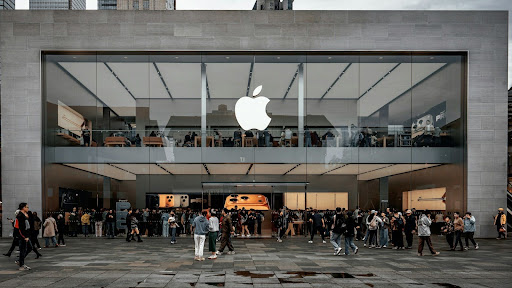
Customers form opinions long before they reach a checkout or speak to a sales team. Perception begins the second someone sees a logo, lands on a homepage, steps toward a store display, or scrolls past a product online. Brand architecture shapes these early judgments by organising products, services, and messages into one clear identity. When everything feels connected, customers feel safe trusting the brand before they know anything in detail. When the structure feels confusing or disconnected, doubt enters instantly. That first emotional reaction influences every decision that follows, long before price, features, or performance matter.
Seeing a Brand Before You Step Inside
Brand architecture shapes the silent first impression. A strong structure makes every part of the brand feel related and aligned. This connection tells the customer they are dealing with something reliable, organised, and worth exploring. A weak structure sends mixed signals and pushes people away. Most customers rely on instinct, so the brand must feel consistent right from the start. This early clarity guides trust.
Brand strategist Erin Morris highlights how customers build opinions through visuals, naming, and design language before learning anything factual. Retail architecture plays a huge role here. Store layout, lighting, color, and signage help customers understand what type of experience they are entering. When the space flows smoothly, people stay longer. When the direction feels uncertain, they exit quickly.
Clarity Builds Loyalty Faster Than Discounts
Customers return to brands that feel simple to understand. A clear structure across products, packaging, stores, and online channels makes expectations steady and predictable. People like knowing what they will receive each time. They feel safe choosing from a brand that looks secure within itself.


When structure is missing, every product feels like a new risk. Customers begin comparing other options, and loyalty drops. Structure protects trust and allows the brand story to stay consistent across every touchpoint. A unified voice helps both digital and physical shopping feel like one smooth experience.
Different Styles of Brand Architecture
Businesses choose from three main models that shape how customers connect with them.
Branded House
All products live under one primary identity. Apple uses this system with iPhone, iPad, and Watch, reinforcing one personality. Retail architecture under this model appears unified, with visual elements repeating across stores, packaging, and screens. Customers recognise the experience instantly.
House of Brands
Products operate under different names with their own identities. Procter & Gamble uses Pampers, Ariel, Gillette, and more. Each speaks to separate audiences. Retail spaces feel unique and are designed around each brand’s tone, giving full creative freedom.
Hybrid System
A flexible mix of both. Some products stay close to the parent identity, while others stand alone for special markets. This helps businesses grow across sectors without losing their original character.
Signals Customers Notice Without Realising
Tiny signals shape trust. People rarely think about them, yet they influence decisions every second.
- Colors that match across packaging, stores, and websites
- Product naming that feels logical and connected
- Store layout that guides movement smoothly
- A tone of voice that sounds the same everywhere
- Familiar design elements repeating across products
- Visual hierarchy that feels predictable
These signals let customers relax. Retail architecture turns these cues into physical form through layout patterns, material choices, and navigation systems. A space that feels organised improves confidence and increases time spent inside.
How Decisions Form Without Thinking
Most purchase choices happen quickly through instinct. People judge how a brand feels, not only what it says. Brand architecture clears the path during that instant decision moment. When the identity is aligned, customers move smoothly from interest to action. Confusion slows that path and invites hesitation.
Alignment helps internal teams, too. Designers know what direction to follow, marketing understands the message, and store teams speak with one voice. Retail spaces reflect the same clarity through signage positioning, lighting focus, and product arrangement. When a store feels easy to navigate, shoppers buy more confidently.
Why Structure Helps Growth Work Smoothly
Growth becomes stronger when structure supports it. A brand with a clear map can launch new products or expand into new locations without confusing customers. People recognise the experience and trust transfers automatically. That familiarity lowers the emotional risk of trying something new.
Without structure, every launch feels like starting from zero. Marketing becomes expensive, messaging becomes unclear, and customer patience becomes shorter. Clear architecture makes every step forward feel like progress instead of guesswork. It creates a stable path for scaling online and offline.
Takeaway That Sticks
Brand architecture shapes customer perception long before purchase. It affects confidence, loyalty, and the comfort level customers feel when entering a store or interacting online. Retail architecture transforms the strategy into real space, guiding movement and reinforcing identity through design. When the structure is clear, customers trust faster, stay longer, and return. When the structure is weak, doubt arrives first, and the brand must work harder for attention. A brand with strong architecture feels sure of itself. A brand without it appears uncertain. Customers can sense the difference instantly, often in the first few seconds before any purchase decision begins.