

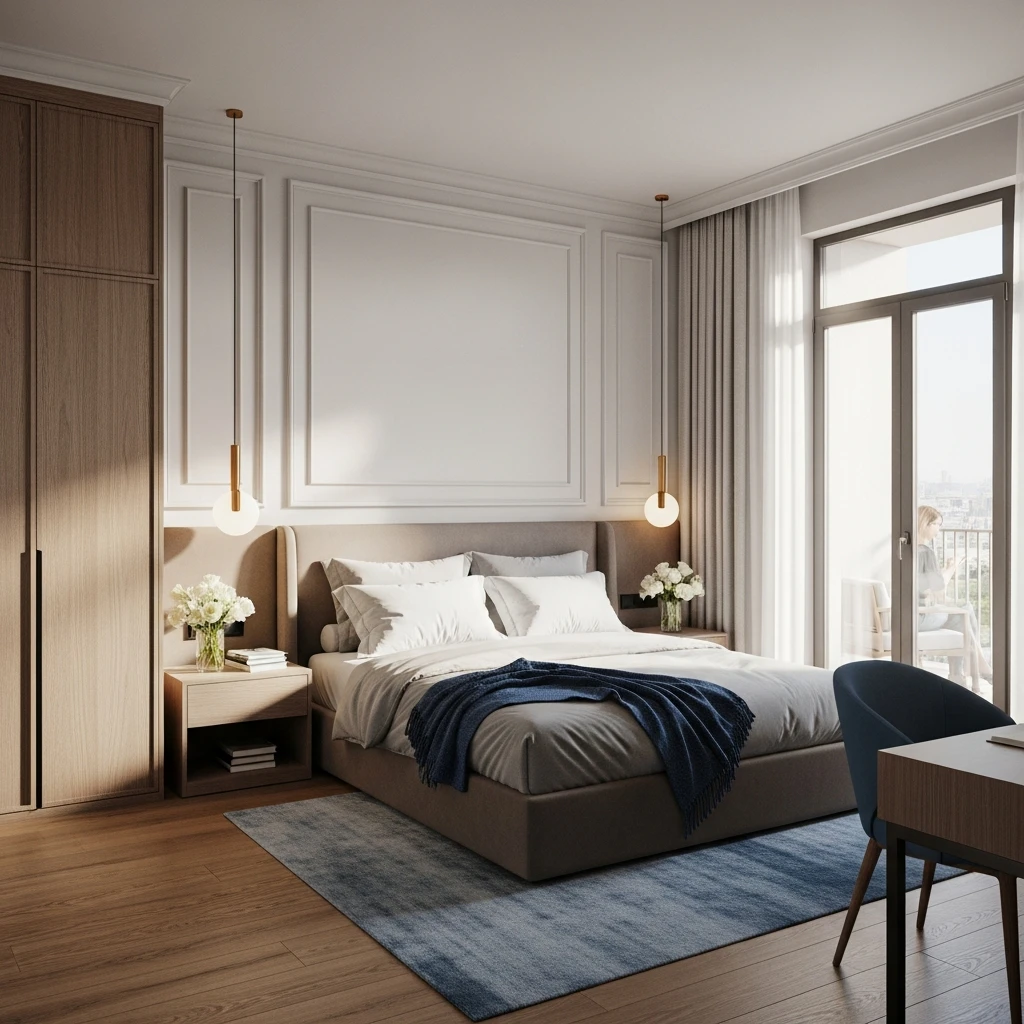
Family-friendly housing involves much more than just the physical structure of a home. It fosters safe, supportive and engaging communities where families can truly thrive. Children require access to schools, parks and local amenities, while outdoor spaces and play areas allow them to grow, explore and form social bonds. Careful design can enhance comfort, health and inclusivity for every member of the household, enabling families to flourish and nurturing a sense of belonging.
1. Safe and Secure Environments
Families look for homes in neighborhoods where they feel safe and supported, as the quality of a community has a direct impact on a home’s value. Neighborhoods with strong safety records are particularly appealing to families with children, providing them with peace of mind and a sense of belonging.
Good schools are a top priority for children to receive a good education and opportunities for growth. Walkable and well-lit neighborhoods are also important, as they allow children to travel to school and essential services safely. While factors like local shops or public transport are nice to have, they are not as crucial as safety and education.
Even those without children often appreciate the security and quality of an area. These residents can also take advantage of walkable infrastructure, park trails, dog parks and other community amenities in and around their housing complex.


Family-friendly housing extends beyond the property itself — It’s about creating communities where anyone can play, walk and grow up safely.
2. Ample Green Spaces and Play Areas
Community playgrounds offer more than fun — they enhance children’s physical, mental and cognitive well-being, aiding in the development of strength, social skills and creativity. Quality playgrounds help children thrive.
Playgrounds also act as social hubs where families naturally meet and form connections. As children play together, parents begin to know one another through shared routines and conversations. These everyday interactions help new families feel welcome and foster a genuine sense of belonging across the neighborhood.
Well-planned outdoor spaces can enhance property values, attract families to the area and cultivate a vibrant, inclusive atmosphere where everyone feels at home. To fully harness these benefits, designers must create playgrounds that prioritize accessibility, sustainability and imaginative play.
3. Accessibility and Inclusive Design
Designing family-friendly homes means considering residents of all ages, abilities and life stages. For those with mobility challenges, features such as step-free entryways, wide doorways and nonslip flooring improve safety and independence.
Thermal control, natural light and good acoustics enhance daily well-being and reduce stress. Flexible spaces and adaptable layouts allow families to interact safely and comfortably with their surroundings. Designers can learn a lot by observing how residents use windows, adjust thermostats or arrange furniture — these details reveal how people move, interact and adapt within their homes.
When accessibility is a priority, the result is housing that supports multigenerational living while staying safe, practical and welcoming for everyone.
4. Sustainable and Healthy Living Features
Sustainable design benefits both families and the planet. Energy-efficient buildings, natural ventilation and eco-friendly materials reduce carbon footprints while improving indoor air quality and comfort.
Greenery, outdoor spaces and healthy materials have also been shown to improve community members’ mental and physical well-being. Families will be more motivated to spend time outside, where they can reap the benefits of physical activity and sunlight exposure.
Good design also considers thermal, lighting and acoustic needs, which is especially important for older adults who spend more time at home. Adaptable features — such as smart thermostats, shading systems and ventilation controls — help residents optimize comfort and energy usage.
Together, these strategies create greener, healthier and more resilient communities that support the long-term well-being of every family.
5. Community Engagement and Social Connection
Social interaction is a crucial component in creating child-friendly environments. Shared spaces encourage children to play together, connect with neighbors and feel part of a community. They provide children with room to explore, observe and build relationships at their own pace.
Involving children in the design and upkeep of shared spaces helps reveal what they truly need and value. It also strengthens their sense of belonging, as they learn to express their ideas and participate in shaping their surroundings. When community areas include both flexible furniture and fixed features, they invite group activities and spontaneous play.
Research shows that strong community ties can be more challenging to establish in dense urban settings, where residents may move frequently or have fewer shared facilities. In high-rise housing, limited indoor space often pushes families toward communal outdoor areas. Parks, playgrounds and community centers become vital meeting points — places where both children and adults can play and connect.
Well-designed communal areas do more than just fill space — they help transform housing developments into vibrant living communities.
Building Better Communities for Families
Family-friendly housing influences the way residents live, grow and enjoy leisure activities. Safety, accessibility and high-quality outdoor areas are essential for creating thriving communities. Additionally, access to good schools and walkable infrastructure makes daily life simpler. Sustainable and inclusive designs can improve the well-being of all community members, offering enduring value to families and neighborhoods.