


Removing an old fence might seem like a straightforward weekend task, but many homeowners quickly realise it is more involved than expected. What appears to be a simple demolition job can become physically demanding, time consuming, and unexpectedly technical, especially when dealing with large posts, deep concrete footings, or older materials that require special handling.
Whether you are preparing for a full backyard renovation, replacing a damaged boundary fence, or clearing old structures to improve property safety, understanding when to attempt fence removal yourself and when to call a professional can save you stress, money, and potential risk. This guide explores both options so you can make a confident and informed decision for your home.
Understanding What Is Involved in Fence Removal
Before deciding between DIY or professional help, it is important to understand what fence removal actually requires. A typical removal project involves several steps including dismantling panels, removing posts and embedded concrete, sorting materials for disposal, and transporting waste off site.
Different fence types present different challenges. Timber can be heavy once waterlogged. Colourbond and metal panels often have sharp edges. Older fences may have corroded fixings, unstable sections, or hidden hazards. Post depths also vary widely, and many are set in large blocks of concrete that can be difficult to break apart without the right tools.


A clear understanding of the scope of work helps you judge whether the project is realistic for a homeowner to tackle without specialist equipment.
When DIY Fence Removal Can Be a Practical Option
There are situations where removing a fence yourself is entirely achievable. Many homeowners choose the DIY route because it can be cost effective and give them full control over the timeline of their project. DIY can be suitable when:
1. The fence is lightweight or already partially deteriorated
A simple timber paling fence that is already loose or leaning can often be dismantled with basic tools. Rotten rails and palings tend to detach easily, reducing the manual labour required.
2. The posts are not deeply concreted
Some older fences have posts set directly in the soil rather than in concrete. These can sometimes be removed with a shovel, pry bar, and some persistence.
3. You already own the required tools
If you have access to a crowbar, reciprocating saw, metal grinder, socket set, and digging tools, you can manage most basic removals without hiring equipment.
4. You have enough time to work safely and methodically
DIY removal is often slower than professional work. If timing is flexible and you can spread the project over several days, it may be suitable.
5. The boundary line and ownership are clear
Before removing a fence, you must confirm it is on your land or that your neighbour has agreed to its removal. For simple fences, DIY might be appropriate once these details are sorted.
Limitations and Risks of DIY Fence Removal
While DIY offers some benefits, it does come with several downsides that many homeowners underestimate.
Disposal challenges
Fence removal leaves behind bulky waste. This can include timber, metal sheeting, fasteners, and large concrete footings that are heavy and awkward to transport. Many homeowners end up needing a trailer or skip bin, which adds cost and organisation.
Hidden structural hazards
Posts embedded deep in concrete are difficult to remove without heavy tools or machinery. Attempting to dig out these footings manually often leads to frustration, physical strain, or poorly completed work.
Safety issues
Sharp metal edges, rusty nails, unstable panels, and heavy concrete create genuine safety risks. Without protective equipment and experience, injuries are common during DIY removals.
Unexpected materials
Some older fences contain hazardous materials that must be handled with caution. This includes cement fibre sheeting that may contain asbestos, as well as rusted or damaged components that break unpredictably.
Time blowouts
Even small fences can take much longer than expected for homeowners without experience. What appears to be a single afternoon job often extends over several days, especially when unexpected complications arise.
Because of these challenges, many homeowners ultimately decide that professional fence removal is the more reliable and stress free choice.
When Hiring a Professional Makes More Sense
There are several scenarios where engaging a professional removal service is strongly recommended. Professionals have the training, tools, and licences needed to manage complex or hazardous work safely and efficiently. Professional removal is worth considering when:
1. The fence contains older materials
If the fence includes cement sheeting, fibro panels, or unknown materials, it is important to have it assessed by qualified experts. Older products may contain asbestos and require specialised removal and disposal processes.
2. There are large concrete footings
Professionals use jackhammers, mechanical post pullers, and other equipment to remove concrete securely. This prevents damage to surrounding soil, paving, or garden beds.
3. Access is tight or the fence is near buildings
Fence removal in confined spaces or alongside structures must be done carefully to avoid damage. Professionals know how to dismantle and remove components without risking nearby walls, sheds, or landscaping.
4. You want the old fence removed quickly
Professionals can complete the job in a fraction of the time taken by DIY. This is useful when coordinating trades, working to a renovation timeline, or removing a fence for safety reasons.
5. Safe disposal is important
Professional services include correct disposal of all materials. This is especially valuable for heavy concrete, metal panels, and any materials that require regulated handling.
6. You prefer a clean finish ready for replacement
Professionals leave the area ready for your new fence installation. They remove all debris and ensure the ground is prepared for the next stage of your project.
A Special Note on Older Asbestos Fencing
Many homes built before the mid-1980s still have sections of cement sheet fencing that may contain asbestos. These fences usually appear as flat grey or off-white panels with vertical joins, and they often remain in backyards long after the property has been renovated.
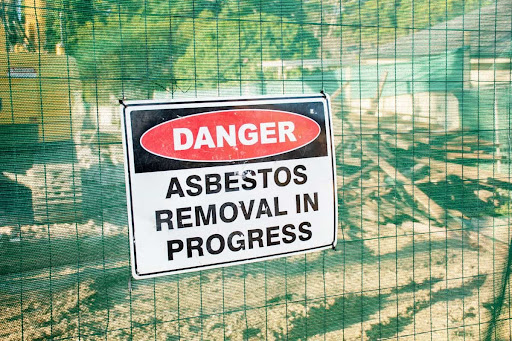
Asbestos fencing should never be removed as a DIY job, even if the panels seem solid or undamaged. Cutting, breaking, or disturbing the material can release fibres into the air, which is why most states require trained, licensed professionals to handle the assessment, removal, and disposal process.
Homeowners who suspect their fence may contain asbestos should always arrange an inspection before beginning any work. Professional services will confirm whether asbestos is present, recommend the safest method of removal, and ensure the waste is transported to approved disposal facilities.
For homeowners who need qualified assistance with safe removal of older fence materials, Perth Asbestos Fence Removal provides specialised support for identifying and removing asbestos fencing while following proper safety procedures.
Making the Right Choice for Your Home
The best approach depends on your skills, tools, available time, and the condition of your existing fence. For simple lightweight structures, DIY can work well. For anything heavy, hazardous, or complex, a professional service will deliver a better outcome with fewer risks.
If your fence is ageing, deteriorated, or possibly made from older cement sheeting, it is important to have it assessed before beginning work. Trained specialists can confirm whether it is safe for DIY or whether professional removal is necessary.
For homeowners seeking reliable, safe, and efficient fence removal, engaging a qualified removal service gives peace of mind and helps keep your renovation or backyard upgrade on schedule.