
A disaster can turn your home upside down in just a few minutes. Whether it is a flood, fire, or severe storm, the damage can feel overwhelming at first. The good news is that with the right steps, you can restore your home safely and get back to normal faster.
Home restoration from disaster is more than fixing what you can see. It focuses on making sure your home is safe, stable, and healthy to live in again. Acting quickly and following a clear plan can prevent long-term problems and costly repairs.
What Home Restoration After a Disaster Really Means
Home restoration is the process of repairing and rebuilding a home after serious damage. It goes beyond simple repairs and often includes cleanup, drying, repairs, and reconstruction. The goal is to return the home to a safe and livable condition.
Unlike small home repairs, disaster restoration often requires professional tools and inspections. Hidden damage can exist behind walls, under floors, or in ceilings. Missing these issues can lead to mold growth or structural problems later on.


Common Types of Disaster Damage in Homes
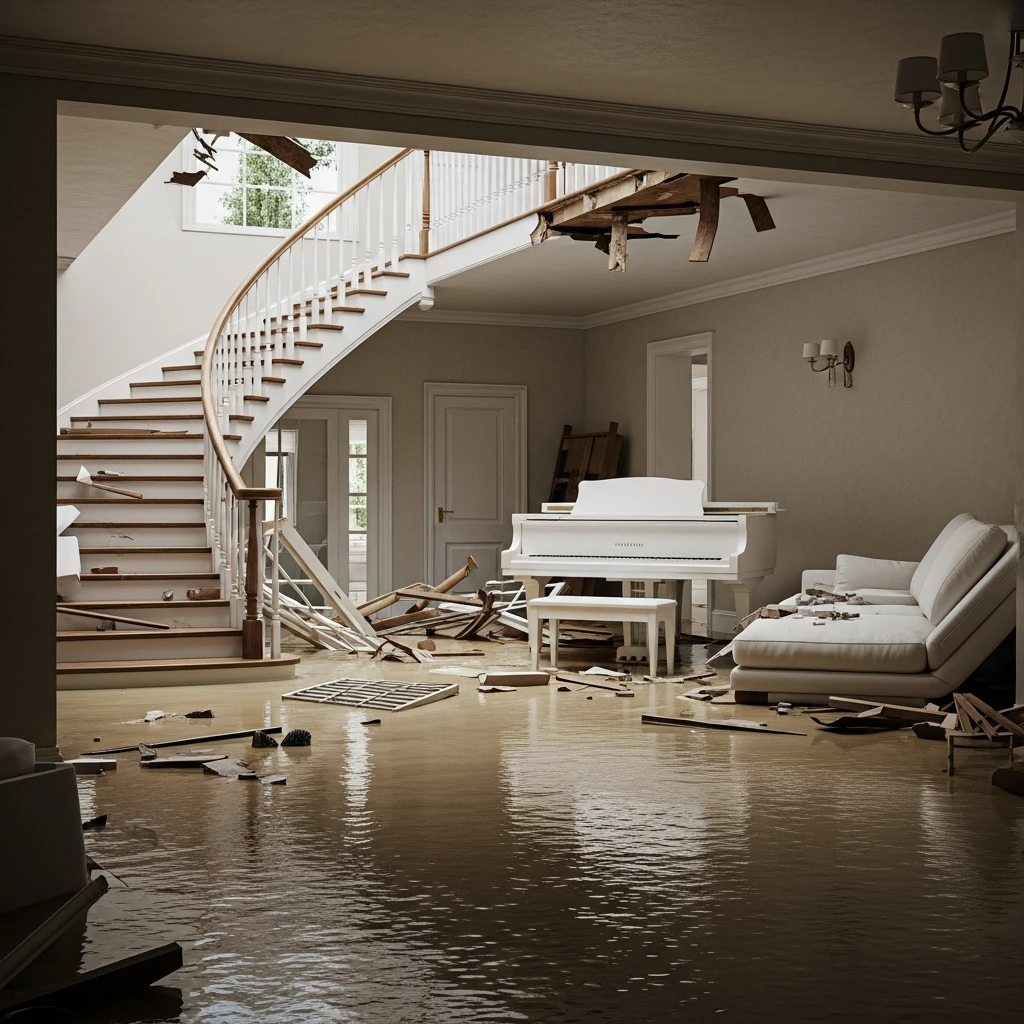
Water damage is one of the most common problems after a disaster. Flooding, burst pipes, or roof leaks can weaken floors, walls, and foundations. Standing water also creates the perfect environment for mold.
Fire damage can affect more than just burned areas. Smoke and soot can spread through the entire home, damaging surfaces and causing strong odors. Even areas that look fine may need deep cleaning.
Storm damage often affects roofs, windows, and siding. High winds can expose your home to water damage and pests. Quick repairs are important to prevent further issues.
First Steps to Take After a Disaster
Your safety should always come first after a disaster. Make sure the home is safe to enter and avoid damaged areas. If needed, turn off electricity, gas, and water.
Document the damage as soon as possible. Take clear photos and videos of every affected area. This information is helpful for insurance claims and repair planning.
Avoid rushing into repairs without a plan. Temporary fixes can sometimes cause more harm if done incorrectly. It is better to wait for a professional home inspection when possible.
The Home Restoration Process Explained
The restoration process usually starts with an inspection. Professionals assess visible and hidden damage to understand what needs to be done. This step helps prevent missed problems that could surface later.
Cleanup and debris removal come next. Water is extracted, damaged materials are removed, and affected areas are cleaned. This step is critical for preventing mold and further damage.
Repairs and reconstruction follow once the home is dry and clean. This may include rebuilding walls, replacing flooring, and repairing roofs. Final inspections ensure the home is safe to live in again.
How to Rebuild Your Home Safely
Safety should guide every step of the rebuilding process. Structural damage must be repaired before cosmetic work begins. Ignoring this order can put your home at risk.
Using proper materials is also important. Materials should meet building codes and be suitable for your climate. This helps protect your home from future damage.
Professional inspections help confirm that repairs were done correctly. They catch problems that may not be visible to the eye. This adds peace of mind for homeowners.
How to Speed Up the Restoration Process
Acting quickly after a disaster can save time and money. The longer the damage sits, the worse it often becomes. Fast action also reduces health risks like mold growth.
Working with experienced restoration professionals helps avoid delays. They have the tools and knowledge to handle problems efficiently. This keeps the project moving forward.
Staying organized also makes a difference. Keep insurance documents, estimates, and photos in one place. Clear communication helps avoid slowdowns.
When to Hire a Professional Restoration Company
Some damage is too serious to handle alone. Large water damage, fire damage, or mold issues require professional help. These problems can affect your health and safety.
Professionals use equipment that homeowners usually do not have. Industrial dryers, moisture meters, and air scrubbers speed up recovery. They also help ensure the job is done correctly.
Hiring restoration experts, like Spartan Restoration Inc., can also reduce stress. They guide you through each step of the process. This support is valuable during a difficult time.
Insurance and Home Restoration
Insurance plays a major role in disaster recovery. Contact your provider as soon as possible to start the claim process. Delays can slow down repairs.
Provide clear documentation of all damage. Photos, videos, and written notes help support your claim. Accurate records reduce disputes and confusion.
Understanding your coverage is important. Some policies cover restoration costs, while others may have limits. Knowing this early helps with planning.
Preventing Future Disaster Damage
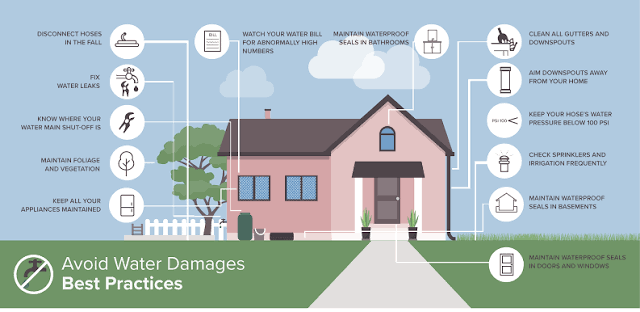
While disasters cannot always be avoided, preparation helps reduce damage. Regular home maintenance keeps small issues from becoming big ones. This includes roof checks and plumbing inspections.
Improving drainage and ventilation also helps. Proper airflow reduces moisture buildup inside the home. Good drainage protects foundations and basements.
Having an emergency plan brings peace of mind. Know what to do and who to call after a disaster. Preparation can save time and reduce stress.
Conclusion
Recovering from a disaster is challenging, but it is possible. Taking the right steps helps protect your home and your family. Safety and speed should always come first.
Professional help can make a major difference in the outcome. Experts know how to spot hidden damage and fix it properly. This prevents problems from returning later.
By acting quickly and staying informed, you can rebuild with confidence. Home restoration is not just about repairs, but about moving forward. With the right approach, your home can be safe and comfortable again.