
There’s a moment most homeowners hit at some point. You look outside and think, this could be nice, but then you remember everything that comes with it. Mowing. Watering. Fixing the same spots again and again. Suddenly the idea of “improving the yard” feels exhausting.
The trick is not adding more. It’s taking pressure off the parts that already frustrate you. When an outdoor space stops asking for constant attention, it becomes somewhere you actually want to be.
1. Deal with the area that never behaves
Every yard has one. A patch that turns muddy. A section the dog destroys. A strip that refuses to grow no matter how much water you throw at it. These areas quietly drain time and energy because you keep trying to make them work.
Instead of fighting them, replace them. A short run of pavers, a gravel section, or a durable turf surface can remove the problem entirely. If you go the turf route, working with expert installers like Magnolia Turf matters more than people think. Poor prep shows fast. Good prep disappears, which is exactly what you want.
Fixing one bad spot often makes the rest of the yard feel calmer by comparison.
2. Stop letting plants spread wherever they want
Ground planting sounds simple, but it is where most maintenance sneaks in. Weeds creep, plants overgrow, edges blur. Suddenly trimming becomes a routine.
Containers change that dynamic. They give plants a boundary and give you flexibility. You can move them, swap them out, or just remove one if it stops working. If you want a straightforward way to add greenery without committing to constant upkeep, container gardening is hard to beat.
A few pots near seating or an entryway often do more visually than an entire bed that needs weekly attention.
3. Make evenings feel intentional
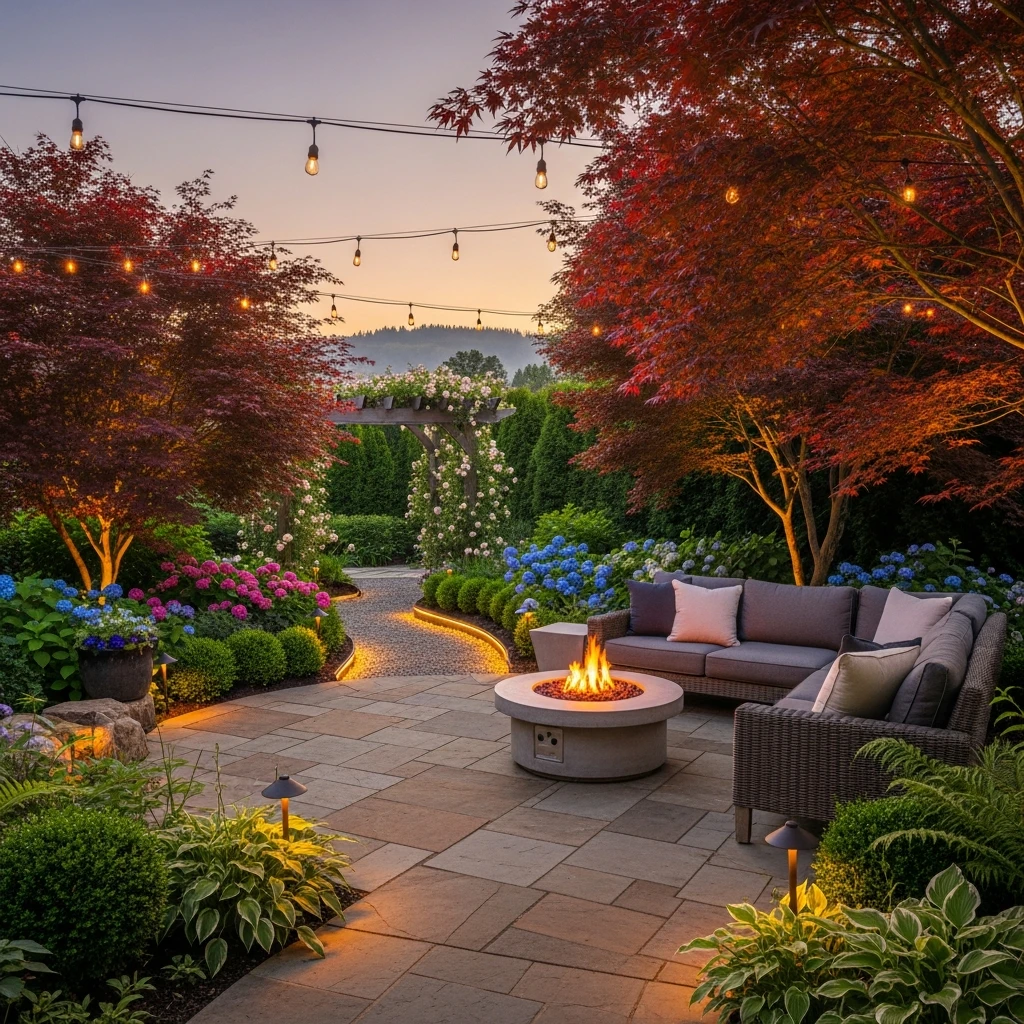
Many outdoor spaces look fine during the day and completely flat at night. Lighting fixes that, but only if it’s done with restraint.
The goal is not brightness. It’s atmosphere and usability. A light on a path, one near a table, maybe something soft aimed at a tree. Choosing long-lasting options like LED outdoor lighting cuts down on replacements and energy use, which means you are less likely to ignore broken fixtures later.
Good lighting quietly earns its place. You stop thinking about it, and that’s the point.
4. Adjust water habits before planting more
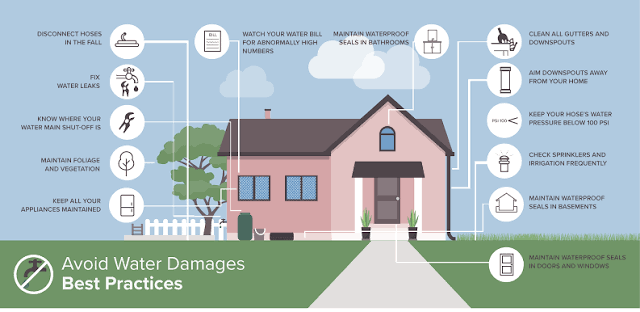
Adding plants without fixing watering is how yards become work. Overspray, uneven coverage, watering at the wrong times. All of it adds stress to plants and to you.
Sometimes the best upgrade is invisible. A small tweak to watering schedules or zones can reduce plant problems and save time without changing the look of the space at all.
Healthy plants ask for less attention.
5. Give the yard a reason to exist
Outdoor spaces feel unfinished when they don’t have a purpose. A chair that never gets used. A lawn with no destination.
One defined feature changes that. A small seating area. A simple dining setup. Even a gravel pad with two chairs can anchor the space. If you’re ready to take it further, a complete transformation often works best when it focuses on reducing effort, not adding features.
A low-maintenance yard isn’t about perfection. It’s about removing the things that quietly drain your time. When the space stops demanding attention, you start using it again without thinking about it at all.