
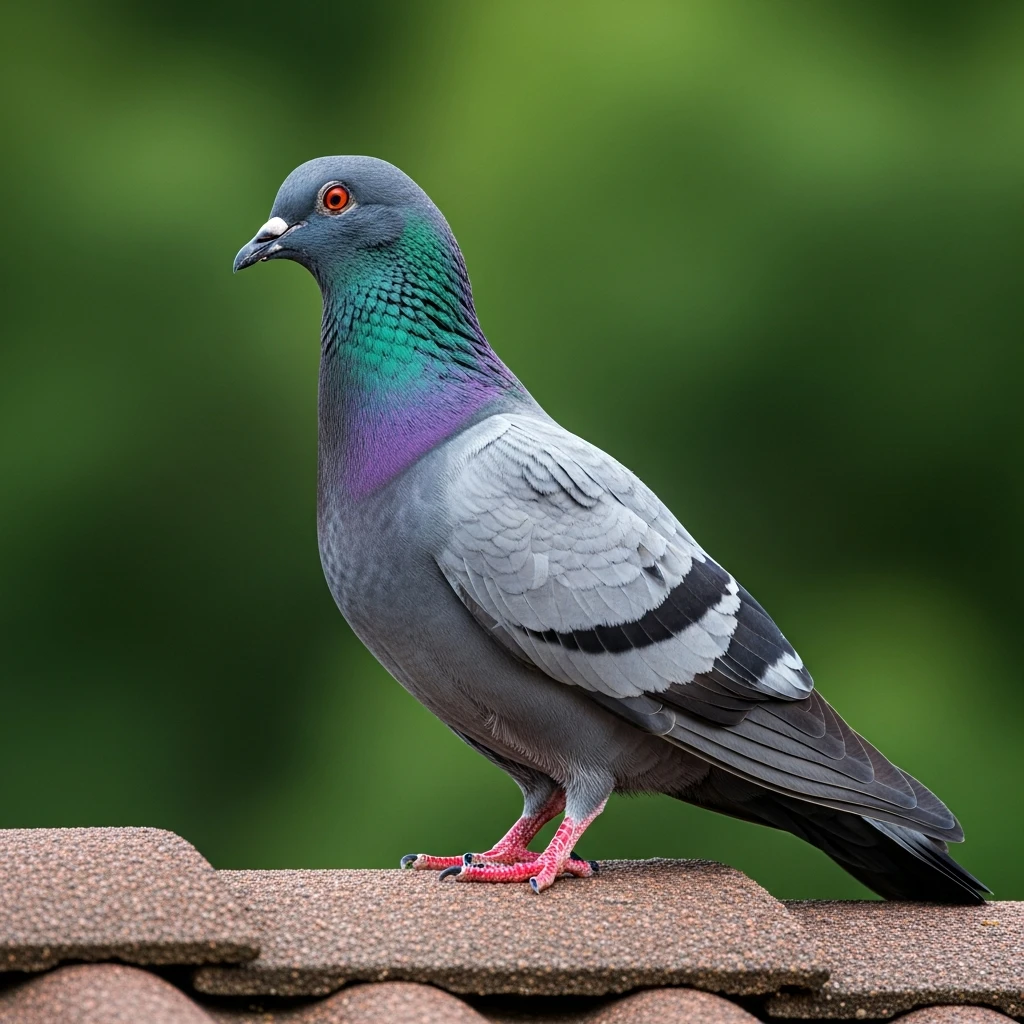
Pigeons often settle on rooftops, balconies, and other building ledges, leaving behind damage and mess that frustrate property owners. These birds adapt quickly to urban environments, which makes control efforts difficult if not addressed with the right approach. Understanding how to manage pigeons responsibly helps maintain clean, safe, and attractive properties without harming wildlife.
This guide explains practical ways to handle pigeon problems using humane, sustainable methods. It introduces safe traps, protective barriers, architectural adjustments, and non-lethal deterrents to create spaces less appealing to pigeons. By applying these strategies, property owners can reduce nuisance activity and prevent future infestations more effectively.
Use humane pigeon traps to safely capture and relocate birds
Humane pigeon traps let property owners remove unwanted birds without harm. They use food bait to lure pigeons into wire cages designed to prevent injury. After capture, users must check traps often and release the birds in a safe, legal area away from buildings.
These traps work best as part of a larger management plan. Property owners should block access to roosting spots and reduce food sources so pigeons do not return. Ethical methods align with local wildlife rules and show respect for animal welfare.

In some cases, combining trapping with non-lethal population control can improve results. For example, OvoControl uses a specialized bait that limits pigeon reproduction over time. This method fits within integrated control programs that aim to reduce long-term pressure rather than rely on constant removal. You can access OvoControl’s guide to get rid of pigeons here, and get more information about humane ways to get rid of them in a safe and effective manner.
Install netting and mesh to block nesting and roosting sites
Property owners can stop pigeons from nesting by covering likely roosting areas with bird netting or mesh. These materials act as physical barriers that prevent birds from reaching ledges, beams, and roof spaces. This method protects structures without harming the birds.
Proper installation is key to effective coverage. The net should fit tightly across open areas such as eaves, balconies, and rafters. Loose or damaged sections may allow pigeons to enter, so routine inspection helps maintain protection.
Different materials suit different needs. Lightweight mesh may work well for small spots, while heavy-duty netting fits larger or high-exposure areas. In most cases, UV-resistant materials last longer outdoors and hold up against weather damage.
Netting not only blocks nesting sites but also reduces droppings and debris buildup around a property. As a result, it helps preserve surfaces, lowers cleaning time, and improves the general appearance of a building.
Create sloped ledges and pigeon-resistant architectural features
Property owners can reduce pigeon problems by changing how ledges and roof areas are built. Sloped or angled surfaces make it difficult for pigeons to perch or nest. Flat, wide areas invite birds to rest, while smooth, narrow edges leave them with little grip.
Design choices play a major role in discouraging roosting. Buildings with steep roof sections or rounded edges naturally limit spots for pigeons to settle. In addition, materials such as metal or treated concrete make surfaces less appealing because they do not provide a firm hold.
Adding subtle deterrents can further protect structures. Small spikes, mesh, or netting prevent birds from landing without affecting the building’s appearance. These methods are most effective when combined with good maintenance and periodic inspection. By planning architecture with bird resistance in mind, property owners can prevent many pigeon issues before they begin.
Set up designated feeding areas away from residential zones
Creating designated feeding areas helps move pigeon activity away from homes and businesses. These zones attract birds to specific spots, which keeps sidewalks, rooftops, and balconies cleaner. It also allows property owners to control food waste and limit droppings near entryways.
The feeding sites should be far from residential buildings yet still accessible for easy maintenance. A quiet open space or near existing green areas often works well. Regular cleaning prevents leftover seeds from piling up and discourages rodents or insects.
Property owners can coordinate with nearby residents to agree on common feeding areas. Shared plans work better than isolated efforts because pigeons travel widely within neighborhoods. As a result, organized zones reduce mess and noise in busier sections of the community.
Monitoring each area allows adjustments based on pigeon activity. For example, reducing food if flocks grow too large helps balance the population without harming the birds.
Employ non-lethal deterrents like reflective surfaces and sound devices
Property owners can use simple visual and audio tools to make areas less attractive to pigeons. Reflective surfaces, such as shiny tape or small mirrors, create flashes of light that unsettle birds and interrupt their landing patterns. These tools work best in open spaces like rooftops, balconies, and courtyards where sunlight can reach them.
Sound devices provide another useful method. Some models emit short bursts of noise or predator calls that encourage pigeons to leave. It is important to shift the location or type of sound occasionally so pigeons do not grow used to it.
Both methods aim to change pigeon behavior rather than cause harm. They reduce roosting and nesting activity without disturbing other birds. Property owners may use these tools together for stronger results, especially if pigeons already frequent the area. Consistent maintenance keeps these deterrents effective over time.
Conclusion
Effective pigeon management depends on consistent effort and humane approaches. Property owners who use sanitation, habitat changes, and safe deterrents tend to see steady progress in reducing pigeon activity. Each measure supports long-term population control without harm to the birds or the environment.
In addition, a mix of prevention and population control methods can create lasting results. For example, controlling access to food sources while using approved birth control aids can limit flock growth in urban spaces.
By acting early and maintaining these steps regularly, property owners keep buildings cleaner and safer. They also contribute to better coexistence with urban wildlife through responsible and thoughtful actions.