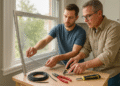

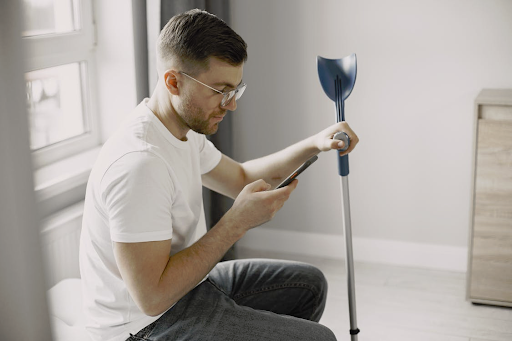
Slip injuries in rental homes happen more often than many people realize, and when they do, it can be confusing to figure out who is responsible. Tenants may wonder whether the landlord should have fixed something sooner or if the accident was simply unavoidable.
Understanding how liability works can make a big difference, especially when the injury stems from a maintenance issue or a hidden hazard. This guide breaks down the basics, so renters know what to expect and what steps to take.
Understanding When Liability Applies
Slip injuries inside a rental home can quickly raise questions about who is responsible. While every situation is different, landlords generally have a legal duty to keep their properties reasonably safe. That means they are expected to fix dangerous conditions they know about or should have known about before someone gets hurt, as well as carry out basic maintenance.
Landlords are typically responsible for hazards related to upkeep, structural problems, and building code violations. These issues fall under the broader idea of keeping a property habitable.

If a tenant slips because of something a landlord failed to repair, liability becomes more likely. Property management guidance from TurboTenant also notes that landlords must respond to repair requests in a timely, consistent way, especially when a safety issue is involved.
Common Hazards That Lead To Slip Injuries
Hazards that lead to slip injuries often start small but become serious when ignored. Tenants usually notice these conditions during everyday routines, and many occur in shared or high traffic areas. When a landlord neglects maintenance, the risk of injury increases.
A few examples that commonly cause problems include:
- Water leaks that create puddles
- Loose or shifting flooring
- Poor lighting in hallways or stairs
Everyday safety issues can turn into real risks when not addressed quickly. In a study discussed by Minut, landlord oversight is a central factor in many home safety incidents, especially when minor defects go unreported or uninspected. This kind of information helps show that regular maintenance is crucial.
Tenants who experience injuries should look into making slip-and-fall claims with the help of experts to help them understand what steps to take.
When Tenants May Share Responsibility
Landlord liability is not always automatic. In many cases, tenants may share some responsibility for their own injuries. Courts often look at whether the tenant acted reasonably. For example, if a hazard was obvious, or if the tenant created the dangerous condition, the outcome may be different.
Property safety guidance mentions that both sides play a role in preventing accidents. Tenants are expected to report hazards and follow basic safety practices. If a tenant ignores a warning or enters an area they know is unsafe, liability might be shared. This becomes even more important in situations where multiple people share responsibility for upkeep, like in multi unit buildings or older properties.
Government level efforts to improve rental safety also reflect this balance. The proposed federal Landlord Accountability Act of 2025, outlined on Congress.gov, emphasizes clearer standards for landlords while recognizing the responsibilities of both parties in maintaining safe living conditions.
Wrapping Up
Slip injuries can raise complicated questions, but understanding how landlord responsibility works makes the situation easier to navigate.
When hazards are ignored or repairs are delayed, landlords may be held accountable, though tenants also have a role in reporting problems and staying aware of their surroundings.
By documenting issues quickly and knowing what steps to take, renters can protect themselves and make informed decisions after an accident.