
Styling your home isn’t just about making it look good—it’s about making it work better. Every room in your house should feel intentional, and the right styling touches can help clarify each space’s purpose without major renovations. Whether you’re redesigning your living areas or preparing your property for sale, smart styling helps you define and enhance how each room is used.
Purposeful Furniture Placement
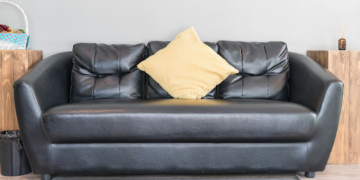
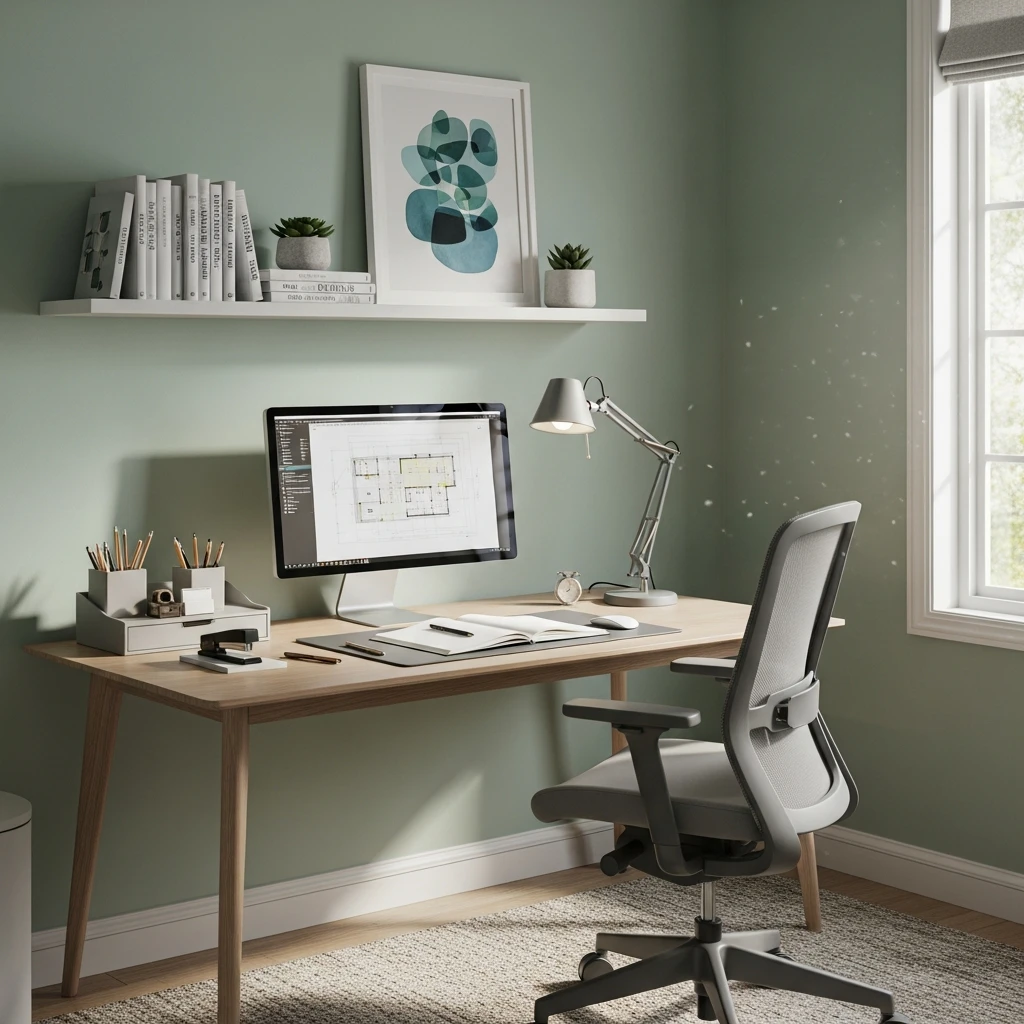
One of the most effective styling touches you can use to highlight function is the considered placement of furniture. The way you arrange furniture not only affects how your home flows but also communicates the purpose of each space. Positioning your sofa to face a fireplace or entertainment unit instantly tells people it’s a place to relax and socialise. On the other hand, placing a desk near a window with minimal distractions creates a natural work or study zone.
These small decisions help guide the way you and others move through your home. In open-plan areas, arranging furniture into zones creates visual separation between dining, lounging, and working areas. This method is often used by professional home staging services, where furniture placement acts as a subtle but effective boundary, ensuring each part of the room feels purposeful and well-defined.
Lighting that Directs Activity
Lighting is a styling detail that significantly shapes how a room is used. Instead of relying solely on ceiling lights, think about how different types of lighting can serve various purposes. For example, hanging a pendant light over your dining table highlights it as a central place for gathering. A reading lamp next to a lounge chair or a task light over your desk reinforces how that part of the room should be used.

Layering light sources gives you flexibility and control, while also helping each space feel intentional. When done thoughtfully, lighting becomes more than just illumination—it guides the mood and function of your room without saying a word.
Décor that Reinforces Functionality
The décor you choose does more than add character—it can clarify how each room should be used. In your kitchen, placing fresh herbs on the counter or arranging wooden cutting boards suggests that this is a space for cooking. In a cosy corner of your lounge, a stack of books, a comfy cushion, and a ceramic mug send a clear message: this is a place to unwind.
Styling with purpose turns your accessories into subtle prompts that encourage people to interact with each space the way you intend. It’s not just about decoration; it’s about telling a story of use and lifestyle.
Colour Choices that Signal Intent
Colour plays a key role in how a room feels and functions. Cooler shades like soft blues or sage greens create a sense of calm, making them ideal for bedrooms or workspaces. Warmer hues such as ochre or terracotta, on the other hand, bring energy and warmth—well-suited to areas where people gather and interact.
Lighter tones, in particular, can make a space feel brighter, more spacious, and more inviting. In fact, a study on the impact of colour in interior design found that 75% of participants felt more satisfied with spaces featuring light-coloured finishes, noting their contribution to both ambience and visual comfort.
The right palette doesn’t just enhance aesthetics—it helps define the purpose of each room. Even a simple accent, like a mustard cushion in a reading nook or navy cabinetry in a kitchen, can shape how a space is experienced and understood.
Styling Transitions in Open-Plan Living
In an open-plan layout, styling is key to defining zones without using walls. Shifting materials, like a natural-fibre rug in the dining area and a plush one in the lounge, can subtly mark changes in function.
Varying furniture style and scale also helps: a structured dining table contrasts naturally with a soft, low-set sofa, making each area feel distinct. These small transitions keep your open-plan space clear, purposeful, and easy to navigate.
Purposeful Styling, Practical Living
Smart styling touches are essential to creating a home that not only looks beautiful but also works for how you live. From the way you place your furniture to the lighting you choose, each decision helps define how a space is used. When your rooms feel purposeful and intuitive, your entire home becomes more functional, welcoming, and harmonious.