

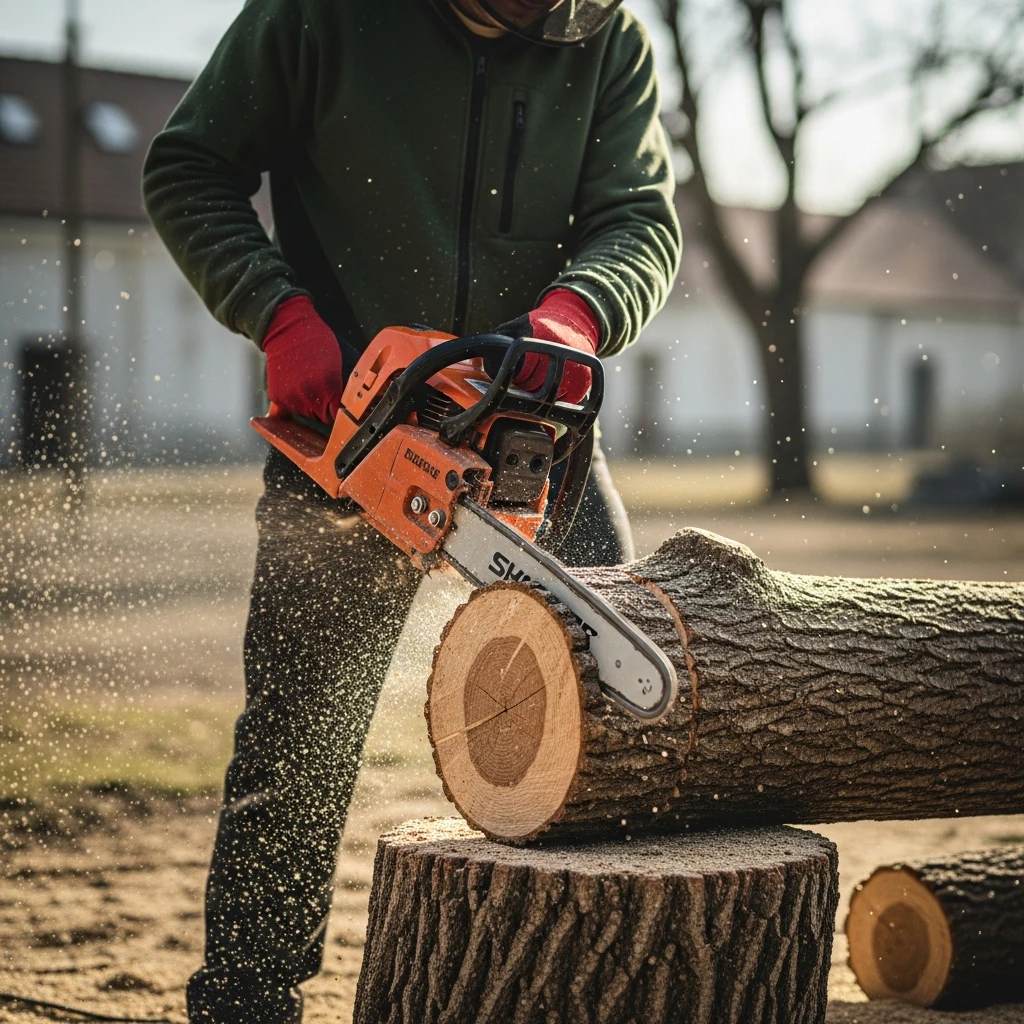
Choosing the right petrol chainsaw can make yard work faster, cleaner, and easier. A well-matched tool cuts through thick branches, trims trees, and handles fallen logs without strain. The best petrol chainsaw suits the size of the job, balances power with control, and feels comfortable to use for longer periods.
Many people struggle to decide between different models, engine sizes, and bar lengths. Each feature affects how well the chainsaw performs and how safe it feels in use. Understanding these details helps narrow down the options and prevents spending money on a tool that’s too heavy or underpowered.
The following sections explain how to choose the right petrol chainsaw for your yard, what features matter most, and how simple maintenance can keep it running smoothly. With the right knowledge, anyone can handle tough outdoor tasks with confidence and precision.
Choosing the Right Petrol Chainsaw for Your Yard
A well-matched petrol chainsaw saves time, reduces fatigue, and delivers cleaner cuts. The right choice depends on the size of the job, the type of wood, and the user’s comfort level with handling power tools.


Understanding Chainsaw Types and Applications
Petrol chainsaws vary in engine size, bar length, and weight. Smaller models around 30–40cc suit trimming and pruning, while mid-range saws between 40–60cc handle cutting firewood or small trees. Larger engines above 60cc fit heavy-duty use, such as felling large trees.
Homeowners often find options from Jono & Johno’s petrol chainsaw or Tradewheel for its balance of power and ease of use. It performs well for common yard work and features an anti-vibration system that reduces user fatigue.
For light jobs, a shorter bar (12–16 inches) provides better control. For cutting thicker logs, a longer bar (18–20 inches) works more efficiently. The right match prevents strain and improves safety.
Chainsaws can also differ in their starting systems, oiling methods, and maintenance needs. A model with an automatic oiling system and quick-start ignition saves time and reduces wear.
Key Features to Look For
Several features affect performance and comfort. Engine power, bar length, weight, and safety mechanisms all matter. A 45–55cc engine often suits most yard work, offering enough strength without being too heavy.
Safety features such as a chain brake, throttle lock, and anti-kickback chain protect the user during operation. A good chain tensioning system allows quick adjustments without tools.
Fuel efficiency and low vibration design improve comfort during longer sessions. Anti-vibration handles and balanced weight distribution help maintain control.
Durability also depends on build quality. Models with a magnesium or aluminium housing resist wear better than plastic ones. Regular cleaning of the air filter and chain sharpening extend the tool’s lifespan.
Comparing Top Petrol Chainsaw Brands
Different brands focus on different strengths. Some highlight lightweight design, while others prioritise raw power or advanced safety systems.
The table below compares common features across popular models used in Australian yards:
| Feature | Light Use | Medium Use | Heavy Use |
| Engine Size | 30–40cc | 45–55cc | 60cc+ |
| Bar Length | 12–16″ | 16–20″ | 20″+ |
| Weight | 4–5 kg | 5–6.5 kg | 7+ kg |
| Ideal Task | Pruning | Firewood Cutting | Tree Felling |
Each brand offers models that cater to specific needs, so matching the saw’s power and weight to the task guarantees safer, more efficient yard work.
Safety, Maintenance, and Important Features
A petrol chainsaw must balance safety, performance, and easy upkeep. The right features protect the user, while regular care keeps the saw in good working order and reduces long-term costs. Proper operation habits also help maintain control and accuracy during yard work.
Safety Features and How They Work
Modern petrol chainsaws include several built-in safety features that reduce the risk of injury. A chain brake or automatic chain brake stops the chain almost instantly if kickback occurs. This feature protects the operator by halting movement before the chain can make contact.
A low kickback chain also helps by limiting the force of rebound during cutting. Hand guards shield hands from flying debris and accidental contact with the chain. A chain catcher prevents a broken or derailed chain from whipping back toward the user.
The table below summarises key safety features:
| Feature | Function |
| Chain Brake | Stops chain rotation during kickback |
| Low Kickback Chain | Reduces rebound force |
| Hand Guards | Protects hands from debris |
| Chain Catcher | Holds a loose chain to prevent injury |
Each feature works together to create a safer cutting experience. Regular checks of these parts keep them effective and reliable during use.
Maintaining and Caring for Your Chainsaw
Proper chainsaw maintenance keeps the tool safe and efficient. The chainsaw chain must stay sharp and correctly tensioned. A loose chain can derail, while an overly tight one can wear out the bar and sprocket. Use the built-in chain tensioning system to adjust it before each job.
Lubrication plays a key role in performance. A steady flow of chain oil reduces friction and heat, which prevents premature wear. Some models include an automatic oiling system that applies oil during use.
After each session, clean the bar, air filter, and housing to remove sawdust and dirt. Replace worn parts promptly and store the saw in a dry place. Consistent care helps extend its lifespan and keeps every cut smooth and safe.
Operating Tips for Safe and Efficient Use
Safe operation depends on skill and awareness. The user should always hold the saw firmly with both hands and keep a balanced stance. Starting the saw on level ground prevents sudden movement.
Before cutting, inspect the area for obstacles or loose material. Keep the chain clear of dirt and rocks to avoid dulling the teeth. Avoid cutting above shoulder height, as this reduces control and increases the chance of kickback.
Allow the chain to reach full speed before touching the wood. Apply steady pressure without forcing the blade. After finishing, engage the chain brake and wait for the chain to stop completely before setting the saw down. These habits promote accuracy and reduce the chance of accidents.
Conclusion
A petrol chainsaw suits people who need strong cutting power and freedom to move without cords. It handles large branches, thick logs, and outdoor tasks that smaller tools cannot manage.
Before purchase, buyers should compare engine size, bar length, and weight to match their skill level and yard needs. A lighter model may suit home use, while a larger engine fits heavy work.
Regular care keeps the saw safe and ready. Cleaning the chain, checking oil, and sharpening the teeth help maintain performance.
Safety gear such as gloves, goggles, and boots reduces risk and supports steady control.
With the right mix of power, comfort, and maintenance, a petrol chainsaw becomes a dependable tool for clean, efficient yard work.