
Purchasing a coastal property is an amazing accomplishment! Think of your future morning walks on the beach, the coastal breezes, and views of the endless horizon. However, before signing on the dotted line, there are other variables you may want to consider. Coastal properties come with unique environmental factors. Below are a few steps covering what every home buyer should examine before purchasing their coastal home.
Consider the Local Coastal Environment
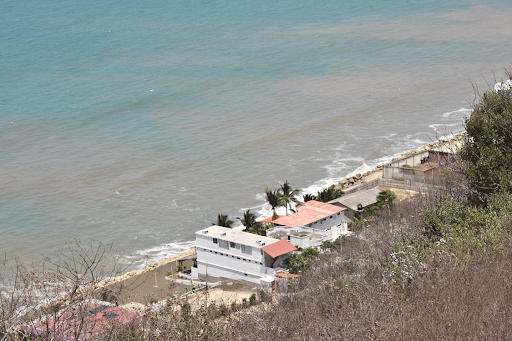
Not all coastlines are equal. Some face nearly continuous salt spray, while others are protected from the coastline by cliffs or dunes. First, you will want to establish the property’s coastal typology. Is the property backed by an exposed beach front (i.e. so the property is exposed to salt air), a sheltered bay or a coastal bluff that may also experience some extreme wind?
All of this information will affect your future maintenance costs, insurance, and the long-term durability of any coastal structure. To better understand how different properties withstand coastal conditions—especially in regions like Greece where coastal architecture varies widely—check out the full property list to compare how real homes are built to handle salt exposure, wind, and shoreline environments.
Keep an Eye out for Salt-Air Corrosion
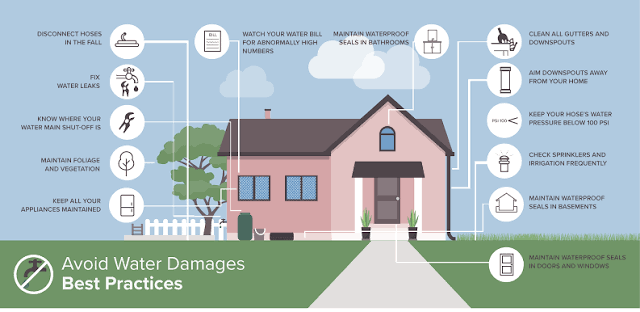
Salt and humidity from the saltwater spray can eat away at metal, concrete and wood. Be sure to pick materials that are corrosion resistant. Some of the best materials are stainless steel fittings, marine-grade paint and fiberglass railings. Be sure to check outdoor screws or railings on balconies, outdoor air conditioning units, and window frames for rust or peeling paint.

Inspection of Windows, Roofs and Storm Preparation
If you are living on the coast, you want to be prepared for storms and wind. So, ask if the property has:
- Storm shutters or impact windows
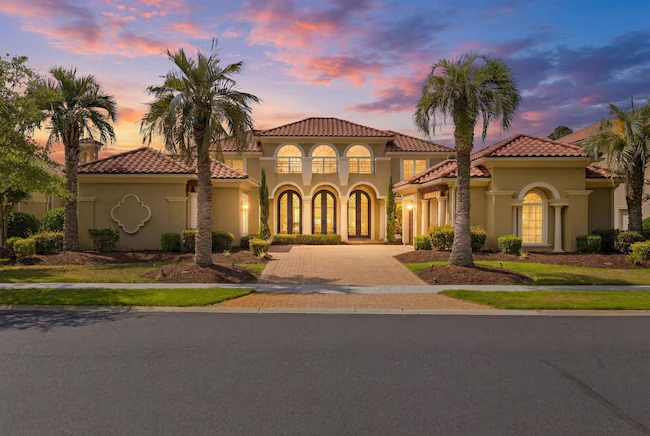
- Roof with strong materials such as metal, slate or high quality asphalt that could withstand salt
- Sealed flashing and underlayment to reduce water leaks in the home.
Finally, check for corrosion or salt buildup on the roof edges and the gutters. They can be a sign of wear from exposure.
Insurance/Building Code Review
A property situated near the coast may have flood or windstorm insurance, which can greatly increase the overall cost of ownership. Get insurance costs upfront and check the local building codes.
Confirm that the residence includes all coastal resiliency measures. In many instances, new construction will require hurricane straps, reinforced framing, and raised foundations. Ideally, you will want to choose a property with as much elevation as possible.
Speak to Neighbors and Local Inspectors
Any resident of a neighborhood will know a whole lot more about the neighborhood than anyone else. Ask residents about how often the area is storm impacted, any drainage experiences, and if they’ve had any salt exposure.
A local building inspector with coastal building experience may be able to bring to light any risks that a thorough inspection would not otherwise identify
Keep a Checklist
Keep this brief checklist while visiting or inspecting a property:
- Review the local floods and erosion maps
- Check the roofs, shutters, and window sealing
- Examine metal fittings for corrosion
- Ask about drainage and pump systems
- Inspect for mold and mildew
- Confirm ventilation and humidity control
- Determine insurance requirements and premiums
- Check landscaping for drought tolerance
- Speak with a coastal property inspector
Endnote
Becoming a coastal homeowner can be gratifying. But, with coastal beauty comes responsibility. You can help protect your investment and gain peace of mind by checking corrosion, drainage, ventilation, and insurance against storms. If you are considering coastal living options, especially in Greece where architectural design meets the beach, check out all your options to understand how materials, building codes, and neighborhood settings can lend themselves to coastal lifestyle.