
According to Forbes, one in 50 homeowners files an insurance claim for water damage to their home each year. Water damage can occur due to several reasons, such as burst pipes, leaking roofs, overflowing bathtubs and sinks, and rising water from wastewater.
We understand — seeing water enter your home is an overwhelming and scary experience. But the way you react can make a world of difference. Here are six steps you need to take to stay safe in case of water damage:
Step 1: Turn Off Power
Water and electricity must never mix. If water has touched electrical outlets or fixtures, turn off the breaker to prevent electrocution. You should also unplug any electrical devices in affected areas. This can include refrigerators or washing machines.
Step 2: Stop the Source
You should also shut off the main water valve if the water is coming from a burst pipe. The same goes for overflowing bathtubs or sinks.

Step 3: Stay Clear of Standing Water
The next step is staying clear of standing water. You will deal with the following three types of water:
Clean, clear water. It is from sanitary sources, such as a supply pipe leak, an appliance water line, or a water heater.
Grey water. It might come from a source such as a dishwasher, a plumbing overflow (without sewage or fecal matter), a washing machine, or a sump pump failure. There is a moderate level of contamination in this type of water.
Black water. It is highly contaminated and results from sewage backups, floodwaters, or groundwater.
While you can try to remove clear water using buckets or mops, it’s best to evacuate if you’re dealing with grey or black water.
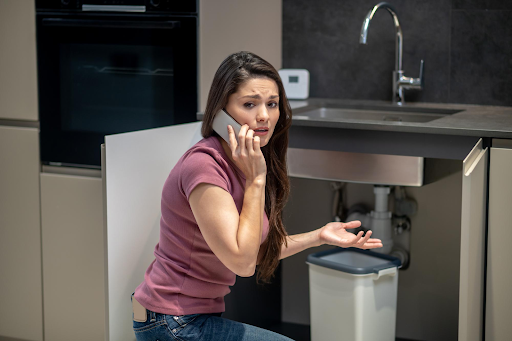
Step 4: Call Professional Water Restoration Services
Whether you have a leaking pipe or a sewage backup, calling water damage restoration experts is important. These professionals arrive on-site quickly and take systematic steps to prevent further damage. Water damage restoration companies do the following:
- Identify the source of water. They use thermal imaging cameras and hygrometers to identify wet areas.
- Ensure rapid drying. They use advanced pumps and extraction units to remove standing water. And then use directed heat drying (TES) techniques to accelerate evaporation.
- Prevent mould and mildew growth. This helps ensure safe living conditions.
Professional damage restoration services are better than DIY attempts for a number of reasons, including:
- Years of experience
- Advanced equipment
- On-site services
- Less stress
Step 5: Remove Furniture
As experts get to work, you should remove wet furniture, carpets, and belongings to a dry area. If items have been in water for a long time, discard them. This is especially true for mattresses and porous materials.
Step 6: Document Everything
Lastly, it’s important to document everything to strengthen your claim. Take photos and videos of all damaged property, structures, and rooms before cleaning for insurance claims.
Moreover, you should call your homeowner’s insurance company immediately to initiate a claim. Expert water damage restoration companies help with this, too.