

Curtains used to be simple back in the days because of limited choices (that too, mostly in colors). You used to pick a color, hang the curtains, and move on. That was it. Now, things feel different. You think about sunlight, heat, sleep, screens, privacy, and even how a room feels at different hours. This is where sheer vs blackout curtains become confusing.
You might choose quickly, then realize something feels off. The room feels too dark or too bright, or uncomfortable at certain times. This isn’t about trends. It’s about how light behaves in daily life, and how curtains quietly shape that experience.
Understanding What Light Really Does Inside a Room
You don’t just deal with brightness when light enters a room. You deal with mood, focus, warmth, and comfort. The light balance can calm a space or make it restless. Sheer and blackout curtains handle this very differently. When you expect one to do the job of both, problems start showing up.
1. What Sheer Curtains Actually Do (And What They Don’t)?
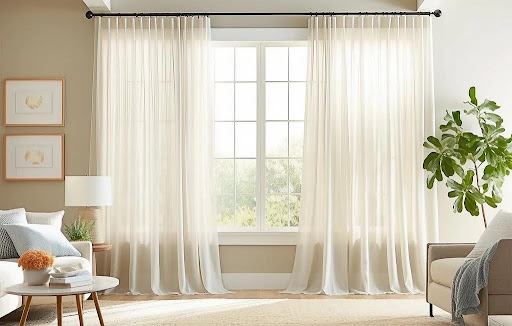
You often choose sheer curtains because they feel light and open. They soften the room. They break sunlight instead of stopping it. During the day, they help rooms feel calm instead of exposed. Living rooms and dining spaces benefit most from this effect.


You should know, though, that sheer curtains are not meant to block light completely. They don’t protect sleep. They don’t hide interior lights at night. They don’t help much with heat or noise. When you expect them to do these things, disappointment usually follows. You get beauty and softness. You don’t get control.
2. What Blackout Curtains Are Actually For?
You choose blackout curtains when control matters. They stop light. They reduce glare. They help rooms stay cooler. In bedrooms, nurseries, or TV rooms, they make a noticeable difference. You sleep better, screens feel clearer, and privacy feels complete.
At the same time, blackout curtains can feel heavy if used everywhere. In small spaces, they can close a room in. In living areas, they can make daylight feel wasted. When you keep them shut all day, the room loses energy. You don’t need blackout curtains everywhere. You need them where darkness matters.
3. Why Layering Usually Solves the Problem?
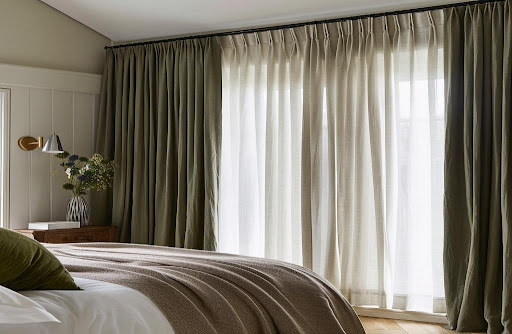
You don’t actually need to choose between sheer or blackout curtains. Most homes work better with both. Curtain layering gives you control instead of forcing one mood all day. You open sheer curtains in the morning. You close blackout panels at night.
You adjust based on the moment. This setup works especially well in bedrooms, living rooms, and apartments with strong sunlight. You just need to avoid overdoing it. Too many layers feel bulky. Therefore, simple tracks with two clean fabrics work better than thick stacks that never move.
4. How Do Different Rooms Usually Respond Best?
In the living room, you benefit from sheers during the day and blackout curtains only when needed. This keeps the space bright but flexible. In the bedroom, you usually need blackout wave curtains. Your sleep depends on it. Sheers can sit behind them for daytime softness.
In a home office, you often need light control, not darkness. Sheers or sunscreen fabrics reduce glare without killing focus. In dining areas, sheer curtains usually do enough unless sunlight brings heat. In kids’ rooms, blackout curtains help regulate sleep, especially during long summer days.
5. Mistakes You Don’t Notice Until Later
- You might choose blackout curtains everywhere and feel like your home has lost its daylight.
- You might rely only on sheers and lose privacy at night.
- You might follow trends and ignore window direction.
- You might misjudge length or width and see gaps every morning.
These mistakes don’t show up on installation day. They show up weeks later, during normal routines.
6. Why Fabric and Weight Matter More Than You Expect

You shouldn’t assume all blackout curtains block light the same way. Some may leak light at the edges, and therefore, you should always purchase them from reputed brands for an ultimate, long-lasting investment. Some lose structure after washing. Fabric weight, lining, and weave change everything.
You’ll also notice that color matters. Light fabrics reflect light differently. Linen behaves differently from polyester. These details affect daily comfort more than most people realize.
Conclusion
You don’t need to chase perfection. You need curtains that fit how you live. When you wake up, rest, and want light. When curtains stop demanding attention and start working quietly, you know the choice was right. Most of the time, balance does that better than extremes.