
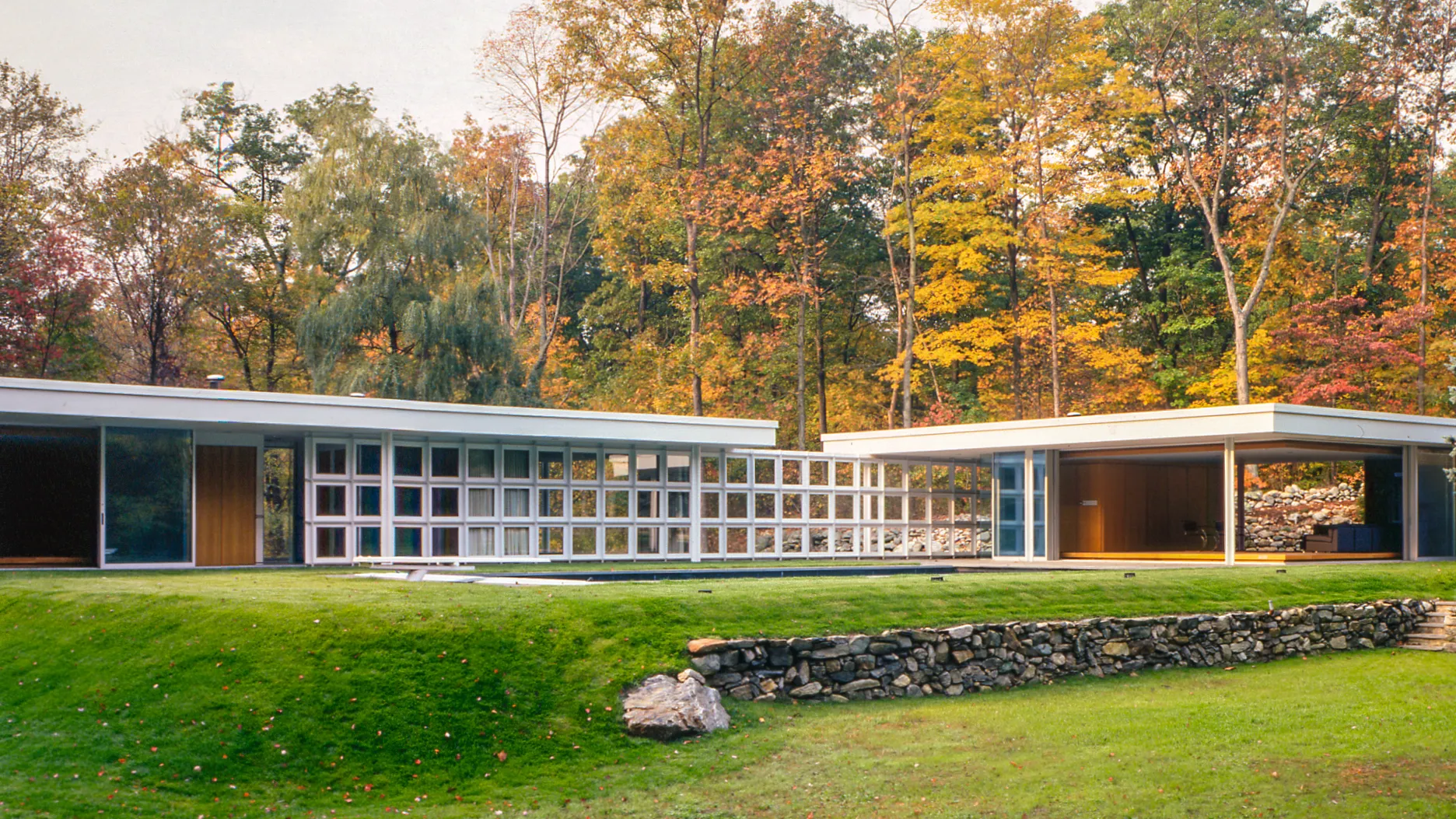
Midcentury modern architecture celebrates simplicity, functionality and a seamless connection between indoor and outdoor spaces. If you own one of these iconic homes, you appreciate the clean horizontal lines and minimalist aesthetic that define the style. Your flat roof embodies this modernist philosophy. When replacement time comes, TPO, EPDM and modified bitumen are all excellent roofing solutions for homes with flat roofs, each offering distinct advantages for preserving architectural integrity and delivering lasting performance.
The Enduring Appeal of Flat Roofs in Midcentury Modern Architecture
Flat roofs emerged as a defining feature of midcentury modern design during the post-war building boom. The horizontal roofline reinforces the low-slung profile that makes these homes so distinctive. It eliminates the visual weight of pitched rooflines, allowing the eye to follow clean geometric forms. The result is an open and airy feeling that remains true to the original modernist vision.
When such a roof needs replacing, there are several main options to consider. Here’s what you need to know about each of the three best roofing solutions for homes with flat roofs.
What Are the Benefits of TPO Roofing for Midcentury Modern Homes?
Thermoplastic polyolefin (TPO) is a single-ply membrane, consisting of polypropylene and ethylene-propylene rubber, creating a lightweight yet durable roofing surface. TPO’s bright white surface reflects solar radiation effectively, making it an energy-efficient choice in warm climates. Some municipalities now require reflective roofing materials, such as TPO, in their building codes.
The installation process involves heat-welding seams to create exceptionally strong bonds between membrane sections. “The heat-welded seams are a cornerstone of TPO’s reliability,” explains Greg Hiltz, CEO of Paradigm Roof & Shield. “They create a continuous, impenetrable barrier that virtually eliminates the leak points often found in other flat roof systems that rely on adhesives.”
Key Benefits for Homeowners
TPO delivers several advantages that make it well-suited for midcentury modern homes:
- Energy efficiency: The reflective white surface bounces sunlight away from your home, reducing heat absorption and lowering air conditioning demands during summer months.
- Durability: TPO resists ultraviolet radiation, ozone and chemical exposure, maintaining its integrity over a long lifespan.
- Seam strength: Heat-welded seams provide superior waterproofing and eliminate common failure points found in other options.
- Low maintenance: The smooth surface resists algae and dirt accumulation, requiring only occasional cleaning to maintain performance.
Why Is EPDM Rubber Roofing a Popular Choice?
Ethylene-propylene-diene monomer (EPDM) is a highly reliable flat roofing material. This synthetic rubber membrane offers proven durability and flexibility. The material remains pliable in cold weather and withstands extreme heat without degrading. Installations can use either a fully adhered method with specialized adhesives or a mechanically fastened approach with plates and screws. Both methods provide reliable performance when installed properly.
EPDM is a popular choice for environmentally conscious homeowners. According to experts at Garlock French Roofing, “EPDM is one of the more sustainable roofing options out there.” It’s recyclable at the end of its life, and some manufacturers even offer return programs for used membranes.”
Why Homeowners Choose EPDM
EPDM rubber roofing offers compelling benefits for residential applications:
- Cost-effectiveness: It typically costs less than TPO or modified bitumen, making it an economical choice for budget-conscious homeowners without sacrificing quality.
- Weather resilience: The material withstands extreme temperature fluctuations, heavy rain and hail damage while maintaining flexibility and waterproofing performance.
- Long lifespan: Properly installed EPDM roofs can last for decades when well-maintained.
- Proven track record: Decades of successful commercial use demonstrate its performance in real-world conditions.
What Makes Modified Bitumen a Good Option for Flat Roofs?
Modified bitumen combines traditional asphalt roofing technology with modern polymer modifications to create a durable multi-layer system. The material consists of asphalt reinforced with either a plastic (APP) or a rubber (SBS) modifier, both of which enhance flexibility and weather resistance. Installers apply modified bitumen in multiple layers, creating redundancy that provides excellent protection.
Installation methods vary depending on the specific product, but often involve torch application, cold adhesives or self-adhering membranes. The multi-layer construction makes modified bitumen systems easy to patch and repair if damage occurs, extending the roof’s service life. The granulated cap sheet options available in various colors allow you to maintain your home’s aesthetic while enjoying superior protection.
Advantages of Multi-Layer Systems
Modified bitumen’s construction delivers several performance benefits:
- High durability: Multiple layers provide redundant waterproofing, so damage to one layer doesn’t necessarily compromise the entire system’s integrity.
- Puncture resistance: The reinforced construction withstands foot traffic better than single-ply membranes, making rooftop access safer for maintenance and recreational use.
- Weather protection: Polymer modifications keep the material flexible in cold temperatures while preventing degradation from UV exposure and thermal cycling.
- Repair simplicity: Localized damage can be patched without replacing large sections, making repairs more economical and extending overall roof life.
How to Choose the Right Material for Your Flat Roof
Roofing solutions for flat roofs depend heavily on the actual pitch of your roof. “Because the effectiveness of a roofing material is highly dependent on the pitch of a roof, manufacturers are specific about their mandatory installation practices to ensure optimal performance,” cautions Dominick Fraser, Owner of Fraser Roofing. “Installing material on a roof with a pitch less than the minimum will automatically void the warranty,” he adds, so checking compatibility is crucial.
Beyond pitch requirements, evaluate your priorities regarding energy efficiency, expected lifespan and aesthetic preferences. Budget considerations should account for total life cycle costs rather than just installation expenses. If you are unsure, ask an experienced roofing contractor familiar with midcentury modern homes.
Climate Considerations
Your geographic location and local weather patterns should heavily influence your material selection. Different roofing solutions for flat roofs excel under different environmental conditions.
Light-colored TPO membranes excel as cool roofs, potentially keeping surfaces more than 50° Fahrenheit cooler than traditional dark roofing materials during peak summer temperatures. For homeowners in hot climates like Arizona, Southern California or Texas, white TPO offers the greatest energy savings potential. EPDM’s darker surface absorbs more heat, making it less ideal for consistently hot regions but potentially beneficial in northern climates where passive solar gain reduces heating demands.
For regions with heavy snowfall like the Northeast or upper Midwest, modified bitumen’s puncture-resistant multi-layer construction handles the stress of snow loads better than thinner single-ply options. In hurricane-prone coastal areas, mechanically fastened systems with reinforced attachment points provide superior wind resistance. EPDM and TPO both offer excellent performance in high-wind applications when properly secured to the roof deck.
A Guide to Flat Roof Maintenance
Proactive maintenance extends your roof’s lifespan and prevents small issues from becoming costly repairs. A simple maintenance checklist will help keep your flat roof in optimal condition.
- Check for ponding water: Inspect 48 hours after rainfall to identify areas where water collects, indicating potential drainage problems that need correction.
- Clear debris from drains: Remove leaves, branches and dirt from scuppers and drain openings at least twice yearly to ensure proper water flow.
- Inspect seams and flashing: Examine areas where the roofing membrane meets walls, vents and other penetrations for signs of separation or deterioration.
- Look for surface damage: Identify punctures, tears or blistering that could allow water infiltration if left unaddressed.
- Trim overhanging branches: Keep trees cut back to prevent physical damage from falling limbs and reduce debris accumulation.
Schedule regular professional roof inspections for your new flat roof at least once every two years. Preventive maintenance is cost-effective, as flat roof replacements can cost up to $24,000, depending on size and material choice. Experienced contractors can identify developing problems before they require expensive repairs and ensure your roof continues protecting your home as intended.
Preserving Your Midcentury Modern Legacy
Your flat roof represents both aesthetic choice and functional design that honors mid-century modern architectural principles. TPO, EPDM and modified bitumen all serve as excellent roofing solutions for homes with flat roofs when matched appropriately to your climate and priorities. With proper material selection and consistent maintenance, you can continue protecting your home’s distinctive character for decades to come.