

When planning a home renovation, one question tends to surface early: How fast can this be done? It’s a natural concern. Living through construction is disruptive, and most homeowners want their space back as soon as possible. But speed often comes with compromises that aren’t obvious until much later.
The truth is, renovation timelines and build quality are tightly linked. Moving quickly can solve short-term inconvenience, but it can also create long-term issues if the process isn’t handled carefully. This tension between speed and quality is where many renovation projects quietly go off track.
Experienced renovation teams like Boyce Design + Build often see the consequences of rushed decisions long after a project is finished — when shortcuts start to show and fixes become far more expensive than doing it right the first time.
Why Speed Feels So Appealing
Renovations disrupt daily life. Kitchens become unusable, bedrooms turn into storage areas, and privacy disappears. It’s no surprise that homeowners push for faster timelines.
Speed is appealing because it promises:
- Less time living in a construction zone
- Fewer temporary workarounds
- Faster access to the finished space
- A sense of momentum and progress
The problem is that construction doesn’t always reward urgency. Many stages of a renovation require patience, sequencing, and coordination to achieve a durable result.
Where Rushing Causes the Most Damage
Not all delays are bad, and not all speed is good. The real risk appears when pressure to move fast affects decision-making or execution.
Common areas where rushing causes problems include:
- Design finalisation: Locking in layouts or finishes before thinking through how the space will actually be used
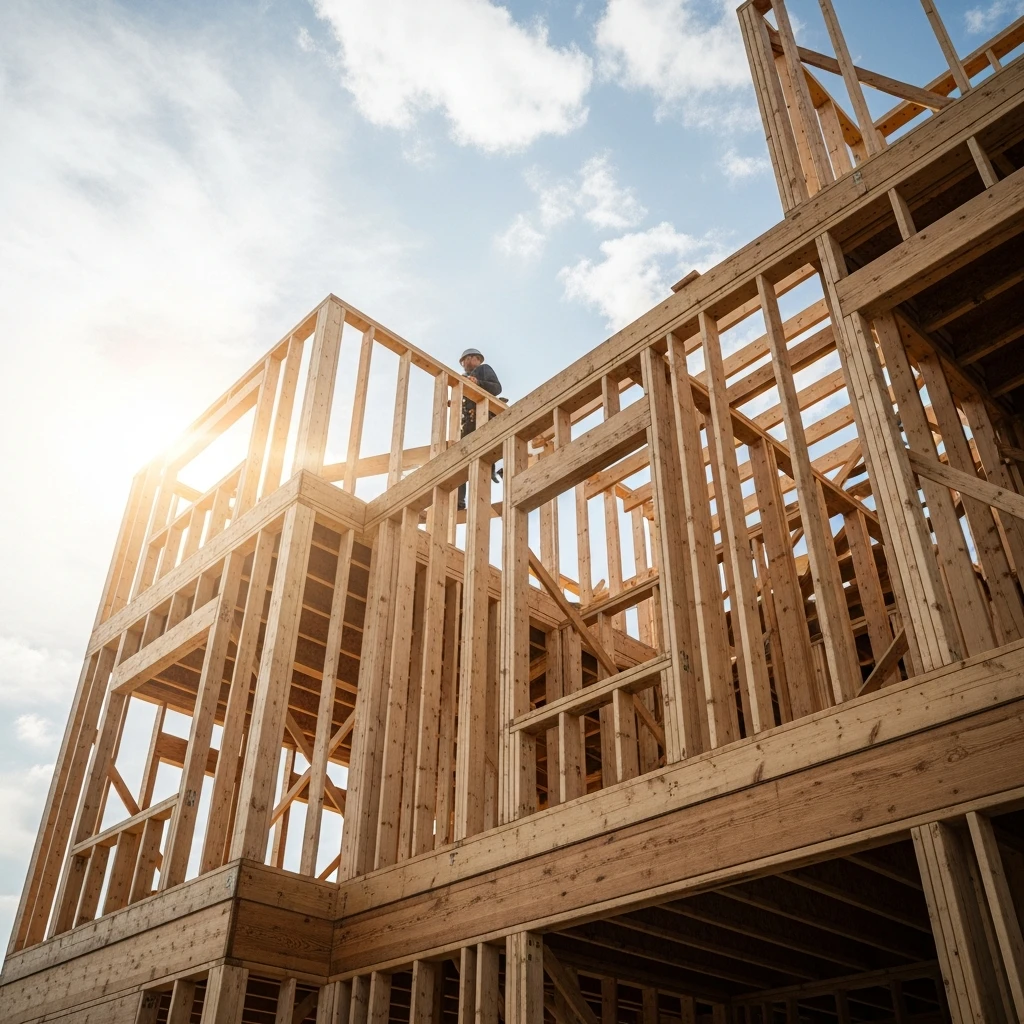
- Trade sequencing: Overlapping trades too tightly, increasing errors and rework
- Material selection: Choosing what’s available immediately rather than what’s most suitable
- Quality control: Skipping inspections or sign-offs to stay on schedule
These shortcuts may not be obvious at handover, but they tend to surface months or years later as wear, performance issues, or maintenance headaches.
The Illusion of Time Saved
One of the most misunderstood aspects of renovation speed is how often “faster” ends up taking longer overall.
For example:
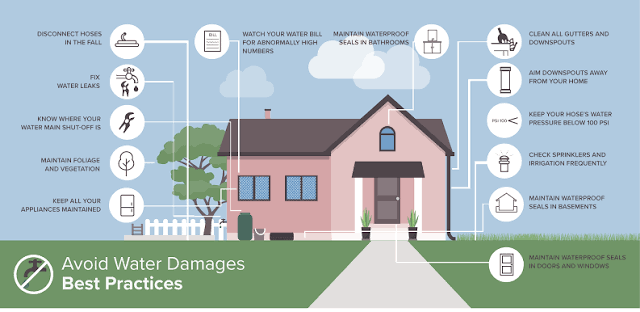
- A rushed waterproofing job can lead to leaks that require major rework
- Poorly planned cabinetry installation can delay appliances and benchtops
- Incomplete design decisions can trigger change orders that halt progress
In these cases, the attempt to save time creates delays far greater than the original schedule pressure.
Quality Takes Planning, Not Just Skill
High-quality renovations aren’t just about craftsmanship. They’re about planning — and planning takes time.
Quality-focused projects usually allow room for:
- Detailed design development
- Clear documentation before work begins
- Thoughtful material selection
- Proper curing, drying, and installation timelines
These steps don’t always look productive from the outside, but they prevent issues that are difficult or impossible to fix later without major disruption.
When Speed Makes Sense
This doesn’t mean speed is always the enemy. In some situations, moving quickly is both possible and sensible.
Speed tends to work well when:
- The scope is clearly defined from the start
- The design has been finalised in detail
- Materials are selected early and readily available
- The team is experienced and well-coordinated
In these cases, efficiency comes from preparation rather than pressure.
The Cost of Cutting Corners
One of the most important trade-offs homeowners overlook is where the cost of speed actually shows up.
It often appears as:
- Higher maintenance over time
- Reduced durability of finishes
- Functional annoyances that affect daily use
- Lower resale appeal
These costs rarely appear on the original invoice, but they add up over the life of the home.
How to Balance Speed and Quality
The goal isn’t to choose between speed and quality — it’s to balance them intelligently.
Practical ways to do this include:
- Spending more time on design so construction can move smoothly
- Finalising selections before demolition begins
- Asking contractors where flexibility exists and where it doesn’t
- Understanding which delays are protective, not problematic
A realistic timeline that accounts for complexity usually delivers better outcomes than an aggressive schedule that ignores it.
Thinking Beyond the Finish Date
Renovations are often judged by how quickly they’re completed, but the real measure of success shows up years later — in how the space performs, ages, and feels to live in.
A renovation done slightly slower but with care tends to:
- Age more gracefully
- Require fewer fixes
- Feel more intentional and comfortable
- Deliver better long-term value
In the end, speed solves short-term discomfort. Quality solves long-term satisfaction. Homeowners who understand the trade-off between the two are far more likely to end up with a renovation they genuinely enjoy living in, long after the dust has settled.