

Owning rental real estate is often associated with long-term financial stability and steady growth. Yet the reality of ownership involves more than holding assets. Daily responsibilities can quickly become demanding, especially as portfolios grow or personal availability shrinks. Tenant communication, documentation, coordination, and ongoing oversight all require time and consistency. What begins as a manageable commitment can slowly turn into a constant obligation.
This shift causes many owners to reassess how involved they need to be. Instead of focusing only on returns, attention moves toward sustainability and balance. Professional oversight goes beyond convenience by creating structure and consistency. Instead of reacting to issues, owners gain organized systems that support efficiency, reduce daily pressure, and make it easier to manage responsibilities while maintaining visibility and control.
What Is a Property Management Service?
A property management service supports owners by handling the operational responsibilities tied to rental assets. These responsibilities commonly include coordinating tenant communication, organizing administrative records, managing documentation, and overseeing routine maintenance activity. For owners with multiple units or limited availability, this structure helps ensure consistency without requiring constant personal involvement. The service exists to manage execution and coordination, not ownership decisions.
To better understand how these services are commonly structured, many owners seek general guidance and industry perspective through resources such as https://www.willowbridgepc.com/ during their research. Exploring such resources helps clarify what day-to-day oversight typically involves and how responsibilities are distributed. In this way, management services act as an operational bridge, ensuring essential tasks are addressed consistently while owners maintain distance from daily involvement.

Key Benefits of Professional Property Management
The advantages of professional oversight extend well beyond basic delegation. Structured management introduces systems that reduce uncertainty and improve predictability. Instead of addressing problems reactively, owners benefit from organized processes that support smoother operations. This approach often leads to improved efficiency and fewer disruptions.
Breaking these advantages into specific areas helps clarify where value is created. Each benefit below highlights how delegation can strengthen operational stability without removing owner awareness or long-term control.
-
Better Tenant Screening and Retention
Tenant-related challenges often begin before occupancy starts. Structured screening processes help identify applicants who align with lease expectations and communication standards. Clear onboarding reduces misunderstandings and establishes consistency early in the relationship.
Retention improves when tenants experience predictable handling of requests and concerns. Stability reduces turnover-related disruption and administrative repetition. Over time, this continuity supports smoother operations and fewer unexpected vacancies, which benefits overall performance.
-
Efficient Rent Collection and Financial Handling
Rent collection becomes more reliable when processes are clearly defined. Property management services establish consistent schedules, reminders, and tracking systems that reduce confusion. Owners receive organized records rather than managing individual transactions themselves.
Clear financial handling also improves transparency. Regular reporting supports planning and oversight without requiring constant involvement. This structure minimizes friction and helps owners stay informed while maintaining operational distance.
-
Reduced Time and Daily Involvement
Time commitment is a common pressure point for owners. Calls, emails, and coordination needs can interrupt personal and professional routines. Professional management absorbs these demands, creating a buffer between owners and daily issues.
This separation allows owners to reclaim time without losing awareness. Updates and reporting maintain visibility while operational tasks remain delegated. The result is improved balance and reduced burnout over time.
-
Regulatory Awareness and Compliance Support
Regulatory requirements evolve regularly and vary by location. Staying aligned with documentation standards and lease expectations can be challenging. Management services help maintain structured processes that reduce oversight gaps. This consistency helps owners avoid mistakes that often arise from outdated or incomplete procedures.
This support adds confidence to ownership decisions. Instead of second-guessing procedures, owners rely on organized handling that minimizes exposure to compliance-related issues. Clear processes protect all parties through consistency and reduce the likelihood of preventable disputes.
-
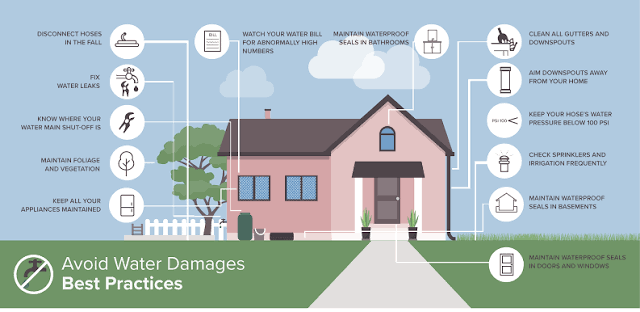
Maintenance Coordination and Asset Care
Maintenance challenges often escalate when coordination is inconsistent. Structured systems help prioritize requests, schedule vendors, and track resolution. This approach prevents minor issues from becoming major disruptions. Timely coordination also improves tenant satisfaction by addressing concerns promptly.
Proactive coordination supports long-term asset condition. Regular oversight preserves value and reduces the need for emergency repairs. Owners benefit from organized care without managing schedules or follow-ups personally, which helps maintain stability across the property lifecycle.
Conclusion
Professional property management introduces a structure that supports long-term ownership sustainability. By reducing daily pressure and improving consistency, it allows owners to focus on broader goals while maintaining visibility. This approach also helps prevent minor issues from escalating through better coordination and planning. For many owners, the value ultimately lies in balance, predictability, and clearer operational direction.