
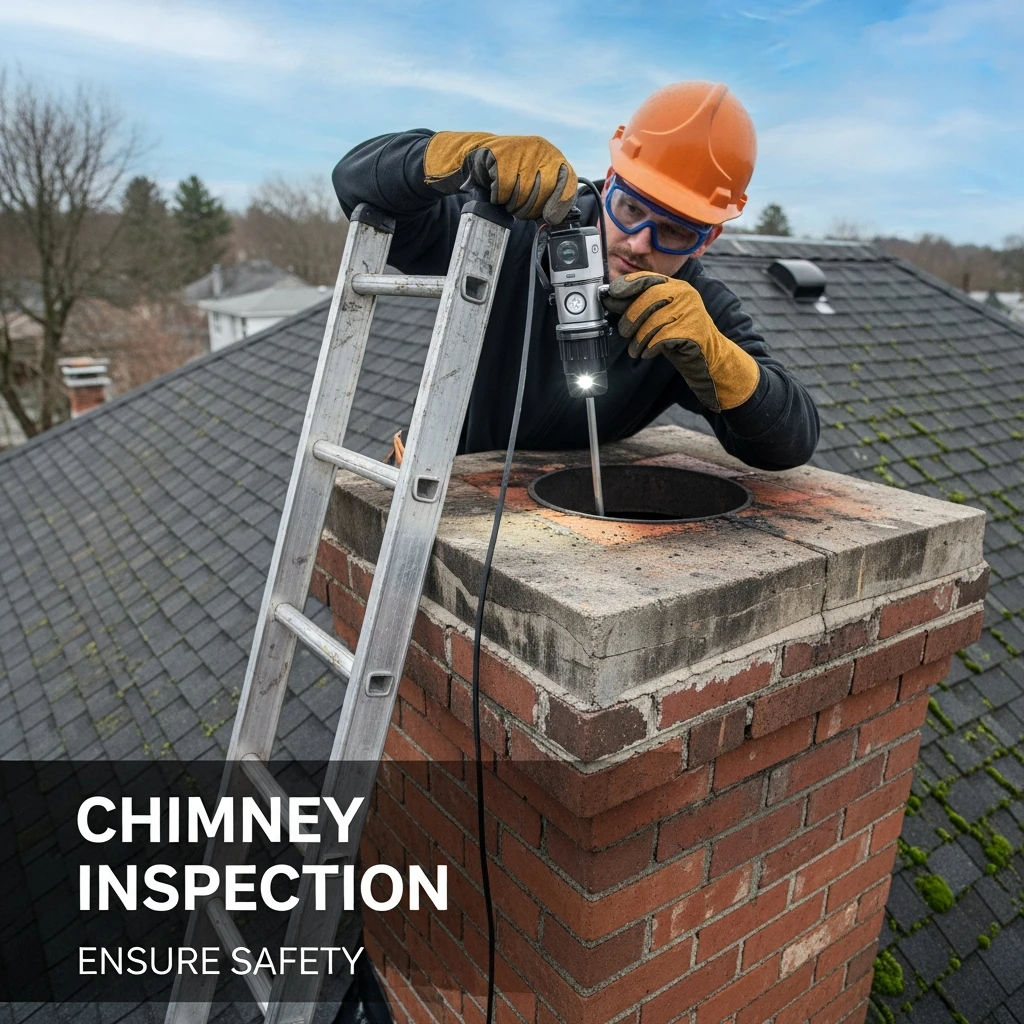
Chimney inspections are crucial because they ensure that direct heat, smoke and combustion gases safely leave a building. When liners crack or flues become blocked, the risk of chimney fires and heat transfers to nearby framing increases. In residential settings, these issues often develop unnoticed. At the same time, commercial buildings face added risk due to higher usage and continuous occupancy.
Indoor air quality and structural integrity depend on proper chimney performance and maintenance. A poor draft can allow smoke and carbon monoxide to circulate indoors, affecting occupant health and comfort. Over time, moisture and liner deterioration can compromise walls and structural connections, which creates costly safety concerns for homeowners and building operators.
The Main Safety Risks of an Uninspected Chimney
Creosote buildup is one of the most serious chimney fire risks. This flammable residue forms as wood burns and slowly coats chimney walls in frequently used residential fireplaces and commercial systems. Without routine inspection, creosote thickens and ignites more easily, which places roofs and nearby materials at risk.
Blockages from debris or damaged liners disrupt airflow and trap heat and smoke inside the structure. These obstructions increase heat transfer to surrounding materials and allow smoke to escape through cracks in masonry. Structural cracks widen over time, and properties face escalating fire and safety concerns.

How Chimney Inspections Prevent Fires
Inspections reduce fire probability by identifying creosote buildup and liner deterioration before conditions become dangerous. Inspectors measure residue levels and confirm that heat moves safely through the system. This proactive review lowers the chance of ignition during routine fireplace or appliance use.
Early detection also protects roofing and framing from hidden heat transfer. Small cracks or gaps can allow extreme temperatures to reach wood components behind walls or near the roofline. Inspections uncover these issues early, preventing structural damage and costly fire-related repairs in residential and commercial buildings.
Health and Indoor Air Quality Benefits
Chimney inspections help prevent carbon monoxide exposure by ensuring combustion gases exit the building as intended. Inspectors check flue continuity and draft performance to confirm that exhaust flows upward and outward. When airflow weakens due to buildup or damage, carbon monoxide can spill back into living or working spaces.
Airflow issues often stem from improper sizing or deteriorated lines that disrupt proper venting. Inspections identify these problems early and confirm that vents maintain a consistent draft under normal operating conditions. Proper venting protects occupants by keeping carbon monoxide diluted, moving and safely discharged outside the structure.
Structural Protection for Homes and Commercial Buildings
Masonry damage often starts with hairline cracks caused by repeated heating, cooling and exposure to weather. These openings allow moisture to penetrate bricks and chimney crowns, which accelerates deterioration. When liners fail, heat and corrosive byproducts reach masonry surfaces directly, increasing stress and speeding material breakdown.
Chimney inspections are key in long-term building preservation by identifying moisture intrusion and structural wear early. Inspectors trace water paths and evaluate masonry stability before damage spreads into walls or roofing systems. This early intervention extends chimney lifespan and helps protect the overall structure in residential and commercial buildings.
Types of Chimney Inspections
Level 1 inspections support routine maintenance by reviewing readily accessible chimney components and overall system condition. Inspectors focus on flue integrity and basic clearance checks, making this level appropriate for chimneys with consistent use and no recent modifications.
Level 2 inspections become necessary during property sales or when a heating appliance or fuel type changes. These inspections include video scanning to detect hidden damage within the flue. Level 3 inspections address suspected severe deterioration and require limited removal of building materials to reach concealed areas and fully assess structural risk.
When to Schedule an Inspection
Annual inspections are recommended for active chimneys to maintain safe operation and consistent performance. Regular use leads to creosote buildup, gradual liner wear and masonry stress that develops over time. Yearly checks help detect these changes early and keep systems operating within safe limits.
Additional inspections become important after storms, chimney fires or building renovations that may affect the structure or airflow. Severe weather can damage flashing and crowns, while renovations may alter venting paths or clearances. Commercial properties require special consideration due to higher usage and safety obligations tied to employee and public occupancy.
What Happens During a Professional Chimney Inspection
Professional inspections begin with thorough visual checks of accessible components, including masonry surfaces, chimney crowns, flashing and fireboxes. Inspectors also use camera scans to evaluate flue interiors, identifying creosote, buildup or blockages that cannot be seen from the exterior. Draft testing follows to confirm that airflow pulls combustion gases upward and out of the buildup during normal operation.
Documentation and safety guidance complete the inspection process. Inspectors provide detailed reports with photos or video evidence that explain system condition and highlight risk areas. Clear recommendations help homeowners and building operators prioritize repairs and maintain safe chimney performance over time.
Residential Versus Commercial Inspection Needs
Commercial buildings experience higher chimney usage, which places added strain on masonry and venting systems. Longer operating hours and shared exhaust paths increase wear and elevate fire and air quality risks. These conditions also trigger stricter compliance requirements tied to insurance policies and public safety obligations.
Multiunit properties benefit from customized inspection plans that reflect varied usage across tenants and systems. Property managers often coordinate inspections across multiple chimneys and access points to maintain consistent oversight. Tailored schedules and reporting help simplify compliance and support long-term operational safety.
Choosing a Qualified Chimney Inspection Provider
Certifications and experience strongly influence the quality and reliability of inspections. Trained technicians apply recognized safety standards and identify risks that less experienced providers may overlook. This expertise supports accurate assessments in residential and commercial chimney systems.
Transparent reporting reinforces safety and accountability. Detailed inspection reports that include images and recommendations help property owners clearly understand system conditions. Clear documentation also supports informed decision-making and timely corrective action before minor issues escalate.
Companies That Offer Chimney Inspection Services
Qualified providers help ensure accurate assessments and reliable safety guidance. Experienced companies combine proper training and clear reporting to support residential and commercial chimney systems.
-
Atlanta Chimney Doctor
Atlanta Chimney Doctor provides professional chimney inspection services to identify airflow issues and structural concerns before they escalate. Its inspections evaluate flue liners, masonry condition, chimney caps and venting performance using industry-approved methods. The company is certified by The Chimney Safety Institute of America (CSIA) and is fully licensed and insured, reinforcing its focus on safety and technical accuracy during every inspection.
It has a long-standing local experience, with decades of experience serving the Atlanta metro area. The company also holds an A+ rating from the Better Business Bureau. It has maintained BBB accreditation since 2006, which reflects consistent service quality and customer trust.
-
Mr. Handyman
Mr. Handyman provides inspection services as part of its broader exterior and structural maintenance offerings. Inspections focus on identifying visible masonry damage and airflow concerns that may require cleaning or repair. This integrated approach allows property owners to combine chimney inspections with related exterior services through a single provider.
Mr. Handyman boasts scale, experience and service consistency. It has served residential and commercial customers since 1996 and operates hundreds of locations across the United States and Canada. Its Done Right Promise backs every job, and the company notes that its service professionals average over 10 years of experience in skilled trades, reinforcing reliability across its network.
-
Chimney Pro
Chimney Pro offers inspection services as part of a broader chimney and indoor air quality offering. Its inspections assess flue condition, airflow performance and visible structural concerns that can affect safe operation. It also provides chimney sweeping and vent cleaning, which allows property owners to address multiple safety issues in a single visit.
Chimney Pro has measurable experience and service volume to support its services. It has operated since 2007 and has completed over 35,000 projects, with a reported 99% customer satisfaction rate. Responsive scheduling and bundled service options make it a practical choice for homeowners and building managers seeking routine inspections and ongoing chimney maintenance.
-
Full Service Chimney
Full Service Chimney offers professional inspection services that cover all three industry-recognized inspection levels. Its inspections evaluate flue liners, fireboxes, chimney caps and masonry to identify safety risks and performance issues. Advanced camera scans support deeper Level 2 evaluations, which help uncover hidden damage that may affect airflow or fire safety.
The company highlights its experience, technical standards and service history. Full Service Chimney has operated since 1987 and has over 20,000 satisfied customers, demonstrating long-term reliability and regional expertise. CSIA-certified technicians and detailed inspection reporting help homeowners and building managers make informed decisions about maintenance and repairs.
-
Allied Chimney
Allied Chimney provides inspection services, among other chimney and roofing solutions. Inspections review chimney caps, crowns, liners and venting paths to identify safety issues and performance concerns. These evaluations often integrate with cleaning and repair services, giving property owners a coordinated approach to chimney maintenance.
Allied Chimney’s strengths reflect regional experience and customer trust. Allied Chimney reports decades of service across the New York metropolitan area. It reinforces a reputation for reliable inspections, clear recommendations, and responsive service for residential and commercial properties.
-
Vertical Chimney Care
Vertical Chimney Care provides inspection services that identify safety risks and structural concerns before they worsen. Inspections review flue interiors, chimney liners, caps, crowns and exterior masonry to confirm proper performance. These evaluations also come with sweeping and maintenance services, which help property owners address multiple chimney needs during a single visit.
Vertical Chimney Care’s strengths stem from long-term regional experience and technical expertise. It serves the Chicagoland area and employs CSIA-certified technicians to conduct inspections. This depth of knowledge supports detailed assessments and clear guidance for maintaining safe and reliable chimney systems.
-
Ashbusters Chimney Service
Ashbusters Chimney Service provides inspection services focused on fire prevention and airflow performance. Inspections evaluate creosote buildup, flue condition, liner integrity and potential blockages that could affect ventilation. These services also include sweeping, helping property owners maintain safe operation through routine care.
The company boasts longevity and industry credibility. Ashbusters has been operating since 1985 and employs CSIA-certified technicians to perform inspections. Its A+ rating with the Better Business Bureau highlights consistent service quality. At the same time, regional coverage supports residential and commercial chimney maintenance needs.
Comparing Trusted Chimney Inspection Providers
Choosing the right provider depends on service scope and experience. This comparison highlights well-known companies that serve homeowners and commercial property owners.
| Company | Primary Service Focus | Residential Services | Commercial Services | Geographic Coverage |
| Atlanta Chimney Doctor | Chimney inspection, repair and maintenance | Yes | Yes | Metro Atlanta |
| Mr. Handyman | General home maintenance | Yes | Limited | Nationwide |
| Chimney Pro | Chimney inspection and repair | Yes | Yes | Regional |
| Full Service Chimney | Chimney cleaning and inspections | Yes | Limited | Regional |
| Allied Chimney | Chimney inspections and masonry | Yes | Yes | Regional |
| Vertical Chimney Care | Preventive chimney maintenance | Yes | Yes | Regional |
| Ashbusters Chimney Service | Chimney repair and inspection | Yes | Limited | Multistate |
Regulatory and Insurance Considerations
Chimney inspections support insurance claims by creating verifiable records of maintenance and system condition. Insurers often request inspection reports after fires, storm events or carbon monoxide incidents to confirm that reasonable safety measures were in place. Detailed findings help establish timelines and reduce delays during the claims process.
Documentation is also critical in compliance and risk management for property managers. Inspection reports that include photos, videos and written assessments provide a clear audit trail for code compliance and safety oversight. These records help plan maintenance budgets and demonstrate proactive care during regulatory reviews or liability evaluations.
Common Myths About Chimney Inspections
Many property owners assume new buildings or lightly used chimneys do not require inspection. This belief often leads to overlooked risks. Construction debris or early material defects can affect performance from the start. Even limited use can allow moisture intrusion or liner separation to develop quietly.
Chimney damage frequently forms in areas that remain hidden from view. Cracks inside flues or failing mortar joints often show no visible warning signs. Regular inspections uncover these issues early, before they threaten safety or structural integrity.
Why Inspections Are a Smart Safety Investment
Chimney inspections serve as essential safety planning rather than optional maintenance. Regular evaluations identify hidden risks early and help prevent fires, air quality issues and structural damage. Proactive scheduling preserves property value and reduces long-term repair costs.