
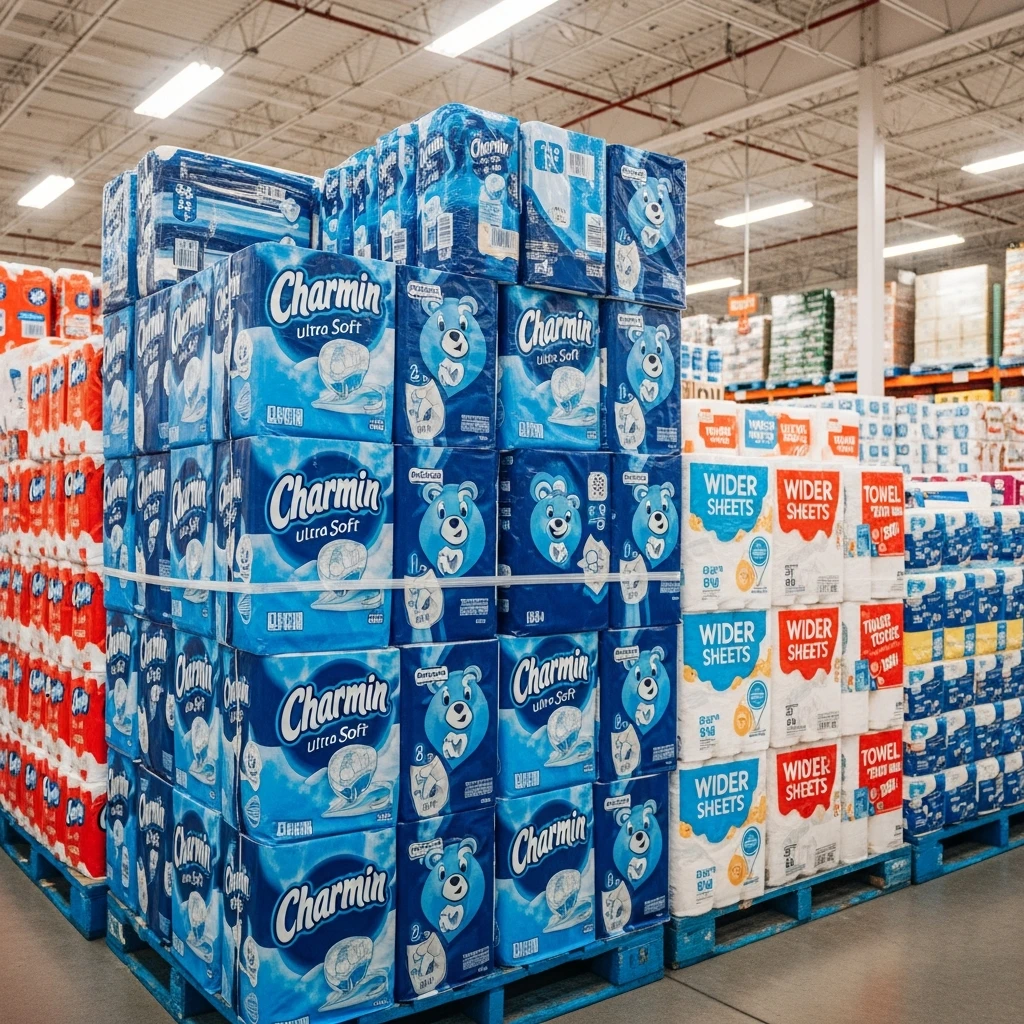
In America, there are various household brands that have become homeowners’ top choices for quality assurance and long-term durability. And one of the most popular brands is Charmin Toilet Paper. You will be surprised to learn that around 90 million people use Charmin Toilet paper in their homes. Given its huge demand, it’s natural to wonder where Charmin toilet paper is made and how it originated. People tend to search for this online, and you are one of them who landed on this informative blog.
As you know, there are so many brands of toilet paper on the market, but people prefer Charmin. But Why? What is the main reason this brand has become the top choice, and where is Charmin toilet paper made?
Today, we are going to explore these curiosity-driven questions to help you understand Charmin Toilet Paper in depth.
How did Charmin Toilet Paper start? Knowing its origin and history
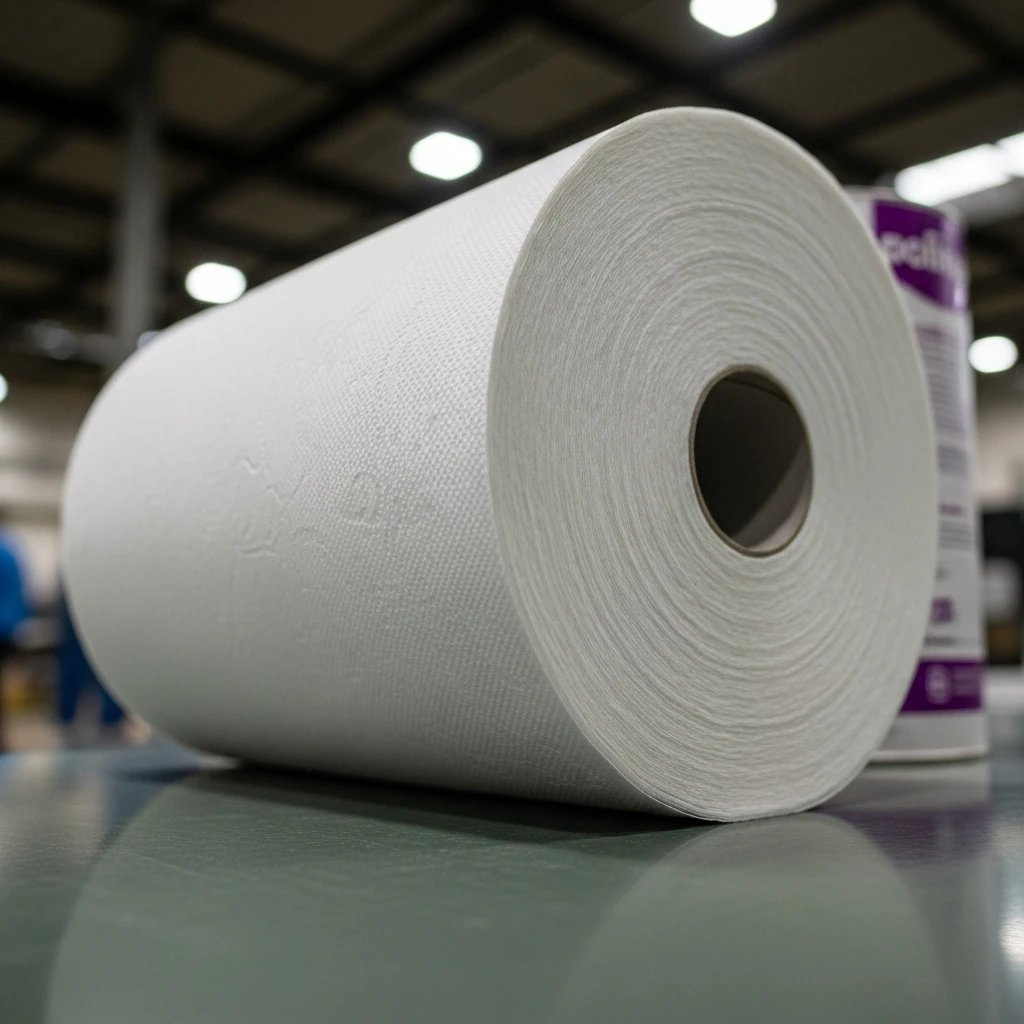


Before we dive into this informative guide full of facts and unknown tactics about where this toilet paper is made, let us understand a little bit about its backstory and how it came into existence. Charmin toilet paper was initially produced in 1928 by the Hoberg Paper Company in Green Bay, Wisconsin. An employee described the toilet paper as “charming,” which gave rise to the name “Charmin.” Hoberg Paper Company changed its name to Charmin Paper Company in 1950.
Fact Check- To your surprise, the big business P&G, which has covered almost all countries with its products, is the owner of the Charmin brand.
P&G changed Charmin with the “Smooth Tear” design, which featured a wavy, scalloped edge to address a common consumer concern about messy tearing while also adjusting to how people use toilet paper.
P&G’s large advertising expenditure and brand management have transformed Charmin into a household name and market leader.
Where is Charmin Toilet Paper Made- Discovering the key locations
You can see from the above information that P&G (Procter & Gamble) is the actual owner and manufacturer of Charmin Toilet Paper. P&G’s manufacturing site in Pennsylvania produces the majority of the Charmin.
The business also operates other plants, including one near Oxnard, California, which has been affected by the 2025 wildfires. However, a key element of Charmin comes from outside the US.
Procter & Gamble obtains approximately 33% of the pulp required to manufacture toilet paper and other hygiene products from Canada’s boreal forest.
This toilet manufacturer also manufactures in a few other states: Georgia, Utah, Missouri, and Wisconsin.
What is the production capacity of the Charmin Toilet paper Manufacturing process?
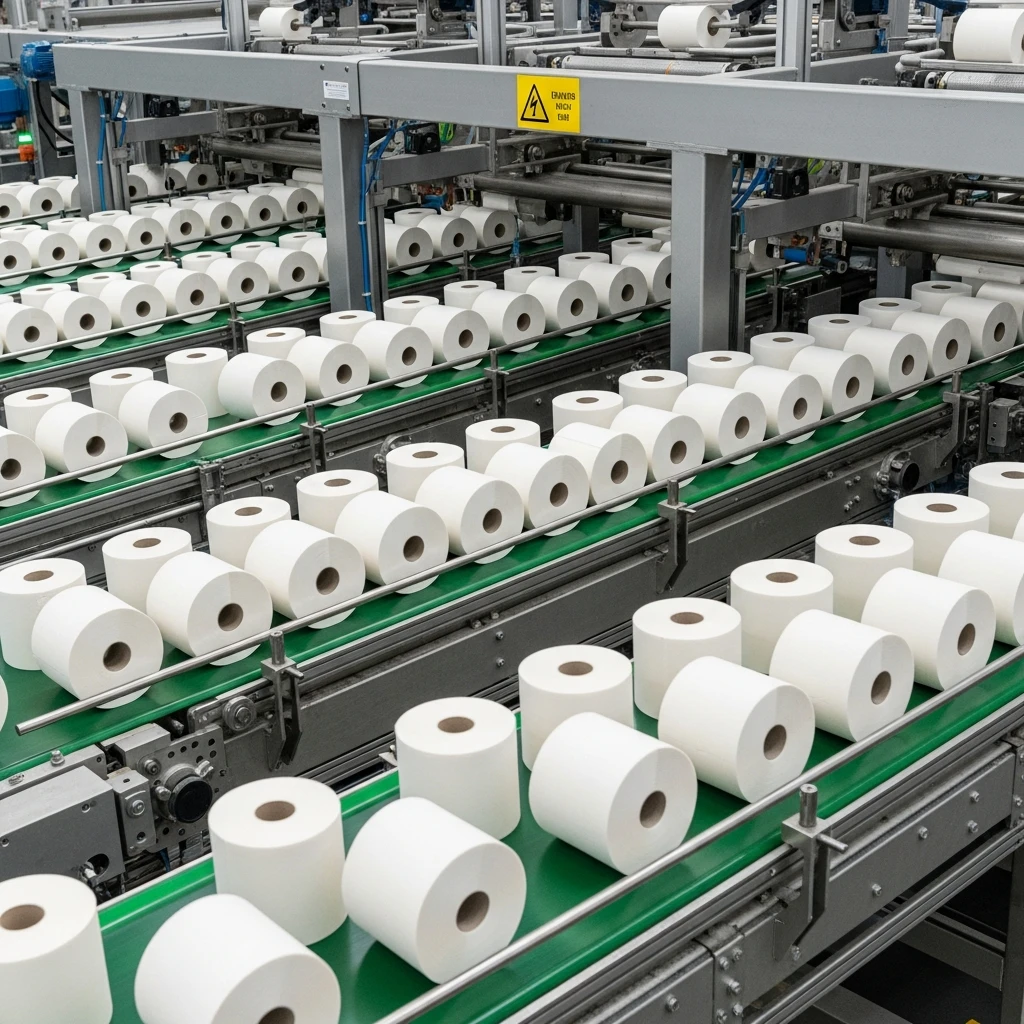
These facilities coordinate to ensure consistent product quality throughout all distribution channels. The strategic location of these operations across geographies enables the corporation to optimize shipping routes and shorten delivery times to diverse markets.
From must have got the idea that Charmin is the most popular choice among Americans because this brand not only produces premium-quality products but also takes care of the environment and sustainability.
- These facilities coordinate to ensure consistent product quality throughout all distribution channels.
- The strategic location of these operations across geographies enables the corporation to optimize shipping routes and shorten delivery times to diverse markets.
- Each plant follows high-quality standards and environmental requirements, incorporating sustainable practices throughout the manufacturing process whenever possible.
Each plant follows high-quality standards and environmental requirements, incorporating sustainable practices throughout the manufacturing process whenever possible.
Distribution and Key Highlights of Charmin’s Supply Chain
It becomes fascinating to know that such a big brand must have a huge supply chain across countries. The Charmin toilet paper logistics system monitors product movement from factory floors to consumer homes, optimizing routes to save transportation costs and environmental impact.
The distribution method involves collaborating with major retailers, including supermarket chains, mass merchandisers, warehouse clubs, and online platforms. Regional distribution hubs receive large shipments directly from manufacturing facilities and break them down into smaller quantities for individual stores.
This hub-and-spoke strategy enables flexibility in fulfilling shifting demand levels across multiple markets. During busy shopping seasons or unanticipated demand increases, the system can instantly transfer inventory to locations with shortages.
Is Charmin Toilet Paper still popular and the top top-most choice?
The Pandemic affected this brand’s supply chain, so it’s an obvious question: how is it doing nowadays? Julio Nemeth, P&G’s chief product supply officer, stated that his team is integrating the new lessons learnt during the epidemic into their manufacturing.
He went on: “We are turning those into essentially a reengineering of our supply chain.” They want to be prepared for anything that may occur so that they are not placed in a difficult situation again.
The issue led P&G to realize it could staff factories more logically by adding additional shifts. There does not appear to be a shortage of Charmin Toilet Paper in supermarket stores anymore. The Covid-19 outbreak has taught many supply chains that manufacturing can be forced to adjust abruptly and without warning.
Final Words
It can be easily concluded that no matter how big any brand becomes, once it is the top choice of people, it becomes the brand’s responsibility to maintain that standards that never keep its customers feeling disheartened, also their accountability towards the environment also increases, which plays a vital role in its overall expansion. The company’s manufacturing strategy stresses domestic production to maintain quality control and assist the US economy. Charmin Toilet Paper and its manufacturing locations suggest that this brand will scale up year by year.