
Selecting the right materials for flat roofing is a crucial decision that can impact both the lifespan of the structure and the overall value of the property. Flat roofs are commonly found on commercial buildings, residential extensions, and even some houses in the UK. Unlike sloped roofs, which rely on gravity to shed water, flat roofs require careful consideration of materials and installation techniques to ensure durability and performance. Here are the key considerations to keep in mind when selecting flat roofing materials.
Understanding Your Roofing Needs
Before diving into specific materials, it’s essential to assess your unique requirements.
Climate Conditions
The UK experiences a diverse range of weather conditions, from heavy rainfall to snow and occasional heatwaves. Flat roofing materials must be able to withstand these fluctuations. When evaluating options, consider materials that offer impressive rainwater drainage properties as well as UV resistance.
Usage of the Roof
Is the flat roof intended for commercial purposes, or will it be part of a residential extension? If you’re planning to use the roof as a terrace or garden, you’ll need more robust materials that can support heavier loads and foot traffic.
Next, think about insulation needs if the roof will provide living or working space underneath. Ensuring appropriate thermal performance is crucial in reducing heating costs and providing a comfortable interior.
Material Types to Consider
Once you’ve defined your roofing needs, it’s time to explore the various material options available for flat roofing.
Bitumen Roofing
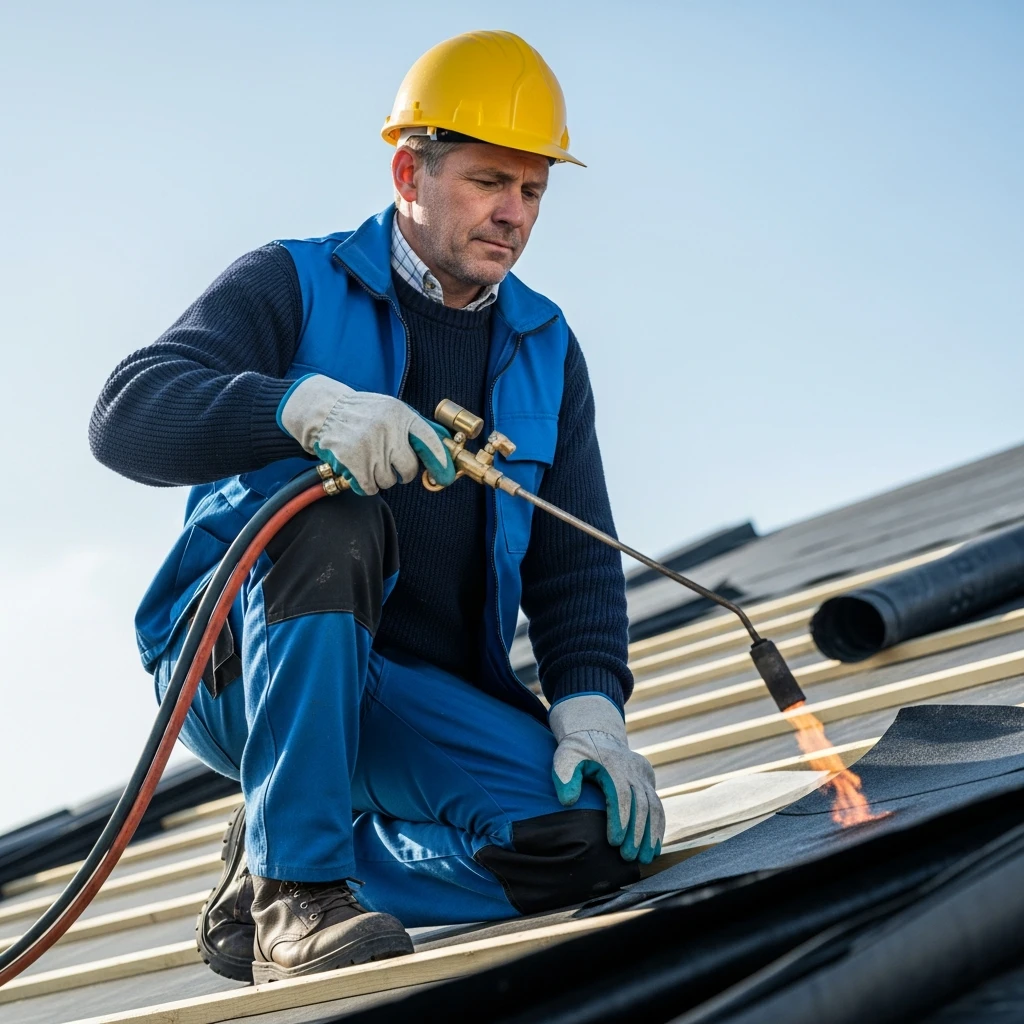
Bitumen, often used in the form of felt, is one of the most common choices for flat roofs. It is well-regarded for its waterproofing capabilities and ease of installation.
- Pros: Affordable and readily available; excellent waterproofing; easily repairable.
- Cons: Can have a shorter lifespan than other materials; may require regular maintenance.
EPDM Rubber
Ethylene Propylene Diene Monomer (EPDM) is a synthetic rubber membrane that has become widely popular for flat roofing. Its flexibility and durability make it a favourite among contractors.
- Pros: Highly resistant to weather extremes and UV rays; can last over 50 years; low maintenance.
- Cons: Higher initial cost; requires professional installation for best results.
PVC Roofing
Polyvinyl Chloride (PVC) is another synthetic option that is gaining traction in the roofing industry. It’s known for its high reflectivity and energy efficiency, making it an excellent choice for eco-conscious homeowners.
- Pros: Resistant to fire, chemicals, and moisture; energy-efficient; environmentally friendly.
- Cons: Higher upfront cost; can become brittle in extremely cold climates.
Green Roofing
If sustainability is a priority, consider a green roofing system that allows for vegetation on top of the roof surface. This provides excellent insulation and helps in rainwater management.
- Pros: Eco-friendly; excellent thermal and acoustic insulation; can enhance biodiversity.
- Cons: Requires more structural support; can have higher initial costs and maintenance.
For those looking for more options, researching long-lasting coverings for low-slope roofing can provide insights into durability and maintenance concerns. You can explore various high-quality materials that work effectively in the British weather at J&J Roofing Supplies, which showcases a range of options suitable for different types of flat roofs.
Installation and Maintenance
Choosing the right material is only part of the equation; effective installation is equally important. A poorly installed roof can lead to leaks and further damage, regardless of the material chosen.
Hiring a Professional
Always consider hiring a reputable contractor for installation. Look for professionals with relevant qualifications and reviews from previous clients. A skilled installer will not only help you choose the right material but also ensure that it is fitted correctly.
Maintenance Requirements
Different materials have varying maintenance needs.
- Bitumen roofs might require resurfacing every few years.
- EPDM membranes, while low-maintenance, still need occasional inspections for damage.
- PVC and green roofs may demand ongoing upkeep to ensure their longevity and performance.
Regular assessments can help you mitigate potential issues, prolonging the lifespan of your flat roof.
Cost Considerations
While it’s natural to gravitate towards the least expensive options, cost should be weighed against longevity and performance. A cheaper material might save you money upfront but could lead to higher maintenance costs and repairs in the long run.
Business owners and property developers should factor in the total cost of ownership when selecting flat roofing materials. This includes installation, maintenance, and potential repair costs throughout the materials’ lifecycle.
Final Thoughts
Selecting the right flat roofing material is a multifaceted process requiring careful consideration of various factors. By understanding your specific needs and the characteristics of different materials, you’ll be better equipped to make an informed decision that suits your long-term goals.
Whether you opt for a traditional bitumen roof, more contemporary options like EPDM or PVC, or even a green roofing solution, the right choice will not only enhance the functionality of your space but also contribute positively to the property’s value. By prioritising quality, installation, and maintenance, you can ensure a durable, attractive flat roof that stands the test of time.