
If you’re turning your basement, lower level, or extra room into a rental unit or Airbnb, there’s one essential upgrade that’s often overlooked — and it can mean the difference between a safe, legal, high-value rental and one that fails inspection.
That upgrade is an egress window.
Whether you’re managing a full basement apartment or just a cozy short-term stay, this guide will walk you through everything property owners need to know about egress windows — from building code requirements to design options that impress your guests and inspectors alike.
What Is an Egress Window (and Why It Matters)?
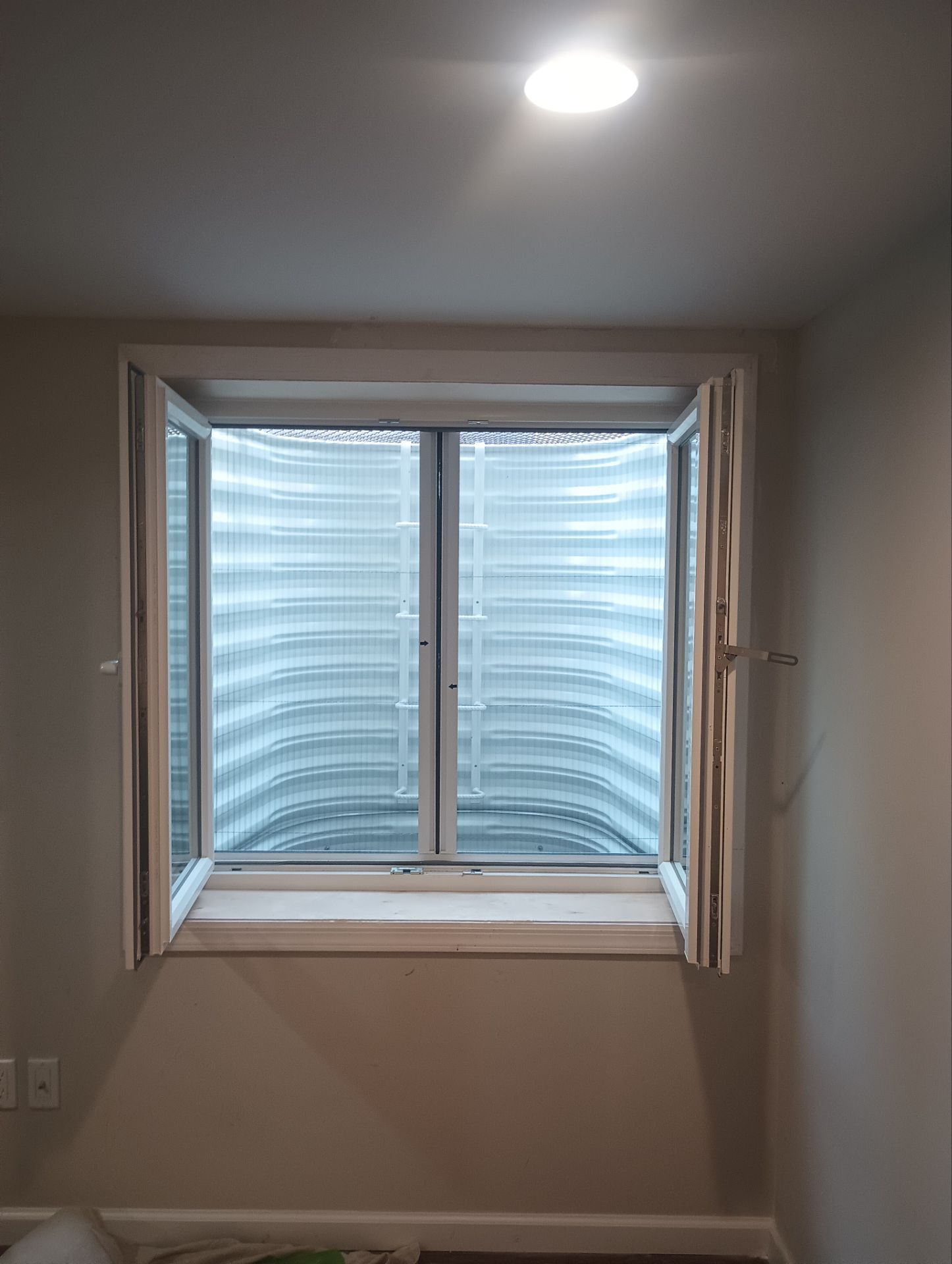
An egress window is a code-compliant emergency escape route that allows anyone inside to exit a basement or lower-level room in case of fire, smoke, or other emergencies. It also serves as an access point for firefighters to enter if someone is trapped inside.

To qualify as “egress,” a window must meet specific size and accessibility requirements, typically including:
- A minimum net clear opening of 5.7 sq. ft. (5.0 sq. ft. at grade level)
- A minimum height of 24 inches
- A minimum width of 20 inches
- A maximum sill height of 44 inches from the floor
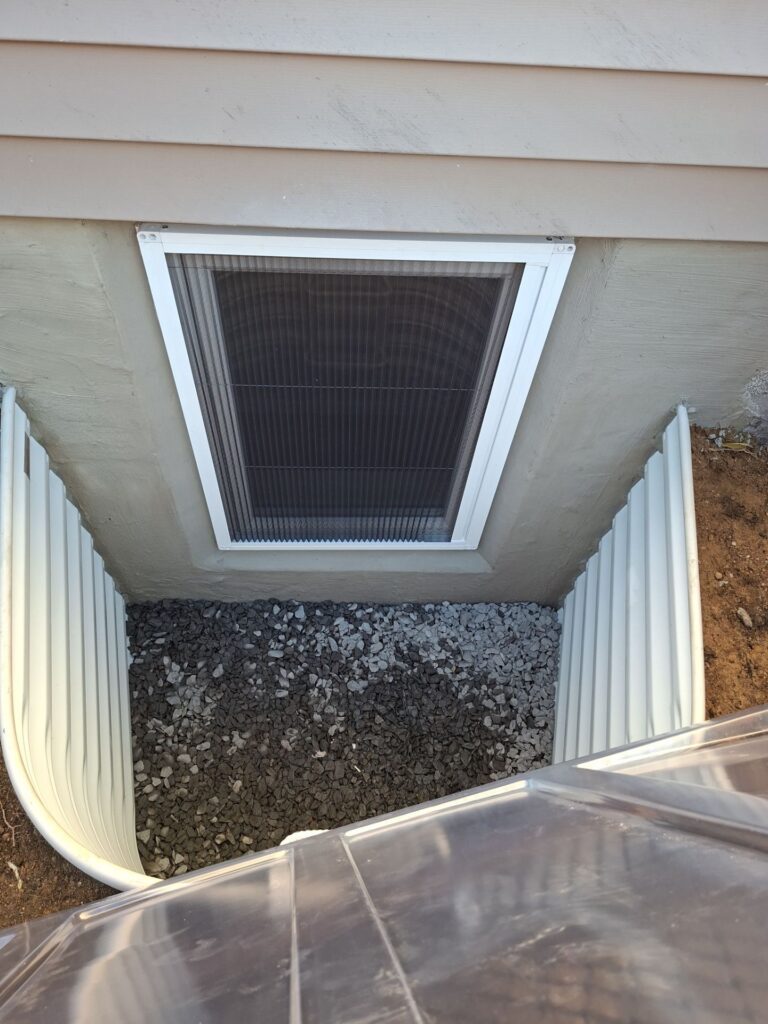
- If installed below ground, a window well large enough to allow escape
These rules are universal under the International Residential Code (IRC), though some states and municipalities have slight variations.
Why Every Rental Property Needs Egress Windows
Many homeowners underestimate the liability of renting a non-compliant space. Whether it’s a full-time rental or an Airbnb, most local jurisdictions require all sleeping rooms and habitable areas to have an egress window.
Here’s why it matters:
- Safety compliance — Protects guests and fulfills fire code obligations
- Insurance protection — Avoids claim denial in case of an accident
- Rental legality — Many local governments require egress for occupancy permits
- Increased property value — Finished, compliant basements boost resale appeal
- Better guest experience — Natural light, ventilation, and peace of mind
Skipping egress isn’t worth the risk — fines, insurance complications, or potential legal consequences can quickly outweigh the cost of installation.
Where Egress Windows Are Required
In rental or Airbnb settings, egress windows are typically required in:
- Every basement bedroom
- Any sleeping area in a basement or converted garage
- Any habitable living space below grade (like family rooms, offices, or playrooms)
- Accessory Dwelling Units (ADUs) and in-law suites
Even if the room isn’t used as a bedroom today, adding egress gives you flexibility for future rental configurations — and keeps your property inspection-ready.
Design Options That Complement Your Rental
Egress windows don’t have to look industrial or intrusive. Modern designs can enhance both aesthetics and safety.
Popular styles include:
- Casement egress windows — Swing open fully for maximum clearance.
- Sliding egress windows — Great for wider window wells or tight spaces.
- Tilt-and-turn windows — European-style, modern, and easy to operate.
- Stacked stone wells — Add visual appeal for high-end Airbnb units.
- Clear covers — Keep out debris and water while maintaining light flow.
Pairing function with design ensures your egress window becomes a selling point, not just a code requirement.
How to Choose the Right Supplier
When selecting egress windows and accessories, you want products that are tested, code-compliant, and shipped nationwide.
Choosing a national egress window supplier gives you access to:
- Consistent quality and sizing
- Nationwide delivery
- Comprehensive kits (window, well, ladder, cover)
- Support for homeowners, contractors, and property managers
Working with a trusted provider ensures your installation meets safety codes while keeping your rental business running smoothly.
Egress Window Installation Tips for Landlords
- Check Local Code First
Codes can vary by city or county. Confirm requirements with your building department before cutting concrete. - Hire an Experienced Installer
Precision is key — improper measurements or grading can lead to leaks or failed inspections. - Choose the Right Well Depth & Material
Steel, composite, and stone-look wells each have pros and cons depending on your soil and style. - Don’t Forget Drainage
A proper gravel base and drainage system prevent water buildup and foundation damage. - Get a Final Inspection
Always have a certified inspector approve the installation before renting or listing your space.
Tax & ROI Benefits
Many property owners overlook the financial upside.
Egress windows can often be:
- Depreciated as part of a rental improvement
- Written off as a safety upgrade
- Used to justify higher rental rates due to increased livable space
Talk to your tax professional about deducting installation costs if you use the property for income.
Final Thoughts: Safety First, Success Follows
Your rental or Airbnb should be more than just a comfortable space — it should be a safe and compliant one.
Installing egress windows protects your investment, your guests, and your reputation.
Whether you’re retrofitting an older home or designing a new basement suite, partnering with a national egress window supplier ensures you get products that meet every state’s requirements and elevate your property’s long-term value.
So before you hang that “Now Renting” sign — make sure your escape routes are as modern and reliable as your décor.