

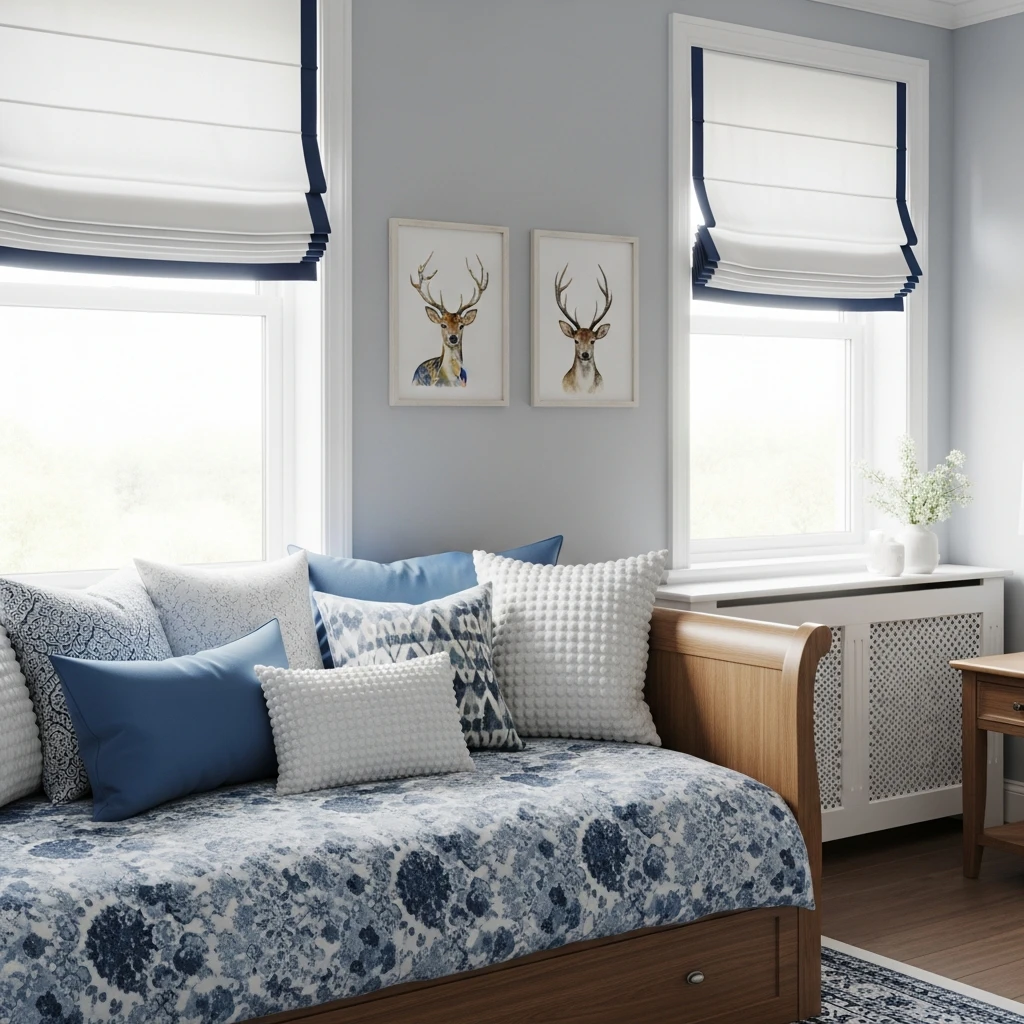
Every parent knows the feeling — your child is tired, the day has been long, and bedtime should be just around the corner… yet they’re still buzzing with energy. Sometimes it isn’t the routine that’s the problem — it’s the space itself. A child’s bedroom can either support calm, or it can unintentionally overstimulate them.
From colours and clutter to lighting and layout, small details can make a big difference. Even choosing an affordable kids single bed that feels cosy and supportive can help create an environment where your child can settle more easily. When their space promotes comfort and security, their nervous system naturally begins to slow down.
Here’s how to transform a bedroom into a calm, grounding place that helps kids unwind faster.
Start With a Layout That Feels Safe and Predictable
Kids don’t always know how to express it, but room layout affects how relaxed they feel. A cluttered or chaotic arrangement can make it harder for them to switch off at night.
A calming layout usually includes:
- A clear path from the door to the bed
- Furniture arranged so nothing feels cramped or overwhelming
- Toys stored out of sight at bedtime
- A reading or quiet corner separate from play areas
When the room feels ordered, kids feel more settled — and that shows at bedtime.
Choose Colours That Naturally Support Calm
Bright colours are great for playtime, but when used heavily in a bedroom, they can overstimulate a child’s mind.
Colours that help calm the brain:
- Soft blues
- Sage greens
- Warm neutrals
- Muted pinks
- Gentle browns or taupes
These shades create a sense of safety and quiet, making it easier for kids to unwind after a busy day.
A helpful tip:
If the walls are bright or busy, balance them with softer bedding, curtains, or rugs to tone down the overall feel.
Keep Clutter Out of Sight (Especially Before Bed)
A messy room isn’t just visual noise — it can make it harder for kids to transition into sleep mode. Their brains register stimulation even if they aren’t actively playing.
To reduce bedroom overwhelm:
- Use baskets or bins for toys
- Keep surfaces mostly clear
- Store loud or flashing toys elsewhere at night
- Pack away activities that signal “playtime”
A tidy room sends one clear message: it’s time to rest.
Lighting Plays a Huge Role in Calming the Nervous System
Light affects melatonin, mood, and energy levels. Harsh or bright lighting can keep kids alert long after bedtime.
Lighting that helps kids relax:
- Warm, soft lamps
- Dimmer switches
- Nightlights with gentle amber tones
- Curtains that block outside lighting
Avoid cool white or blue-toned lights at night — they keep the brain active and delay the wind-down process.
Create a Comfort Zone That Feels Like a “Safe Nest”
Kids sleep better when they feel physically secure. Their bed is the centrepiece of the room, so comfort really matters.
A good bedtime environment includes:
- A supportive mattress
- Soft but breathable bedding
- Not too many pillows or stuffed toys
- A bed that fits their size and helps them feel anchored
If the bed is too big, too small, or too firm, kids may toss and turn without understanding why. The goal is to create a cosy “nest” where they naturally want to settle.
Add Sensory-Friendly Touches That Encourage Calm
Kids often regulate themselves through sensory input. Small, intentional additions can help them unwind faster.
Consider including:
- Soft blankets or textures
- A weighted plush toy
- A calm-down jar
- Gentle white noise
- A textured rug underfoot
These elements create a grounding atmosphere that feels soothing to their senses.
Limit Stimulating Decor and Visual Distractions
Some décor — even well-intentioned — keeps kids mentally active. Bright posters, busy wall art, or toy displays can trigger the urge to play rather than sleep.
Visual stimulation to avoid near bedtime:
- Flashing LED lights
- Highly detailed wall art
- Shelves overflowing with toys
- Posters in bold, high-contrast colours
Keep the décor simple, soft, and restful.
Build a Wind-Down Routine Around the Space
A calm environment becomes even more effective when paired with a predictable bedtime routine.
Helpful calming activities:
- Reading together
- Soft music
- Light stretching
- Slow breathing
- Talking quietly about the day
Using the same cues each night signals to your child’s brain that it’s time to transition from activity to rest.
Make the Room Feel Personal — But Not Overwhelming
Kids feel more relaxed in a space that feels like their own. Personal touches help them feel safe and settled, as long as the room isn’t overloaded.
Simple additions:
- A favourite soft toy
- A framed photo
- A small nightlight
- A little shelf for special items
Personal doesn’t have to mean crowded. A few meaningful items go a long way.
A Calming Bedroom Starts With Intention, Not Perfection
You don’t need a total makeover to create a soothing space for your child. A few thoughtful changes — softer lighting, a tidy layout, calming colours, or a cosier sleep space — can genuinely help them unwind faster after a big day.
Kids respond strongly to their environment. When their bedroom supports calm, their mind and body follow, making bedtime smoother, quicker, and much more peaceful for everyone.
A calm room doesn’t just help them fall asleep faster — it helps them feel safe, settled, and ready for tomorrow.