
The bathroom. It’s a pretty big part of your home. It serves a purpose, enabling you to maintain personal heath and hygiene. It offers a private space for washing and using the toilet. No one should underestimate this. It’s human needs. However, it does so much more – such as providing a personal sanctuary for daily routines and relaxation.
But this is tough when your bathroom is on the smaller side. Your daily routines, once simple, quickly turn into a logistical challenge. The lack of square footage results in numerous issues. Clutter. Poor ventilation. Restricted movement. It’s even worse if you have a large family – you’ll feel like you are living on top of each other.
Fortunately, there are ways to maximize space in a small bathroom. Three practical changes are listed below.
Choose Space-Saving Fixtures
When space is tight, oversized fixtures quickly make a small bathroom feel even more cramped. The easiest way to improve this is by choosing fittings that are designed for compact spaces. Smaller sinks. Slimline vanities. Short-projection toilets. All of these items help to free up room without sacrificing everyday practicality.

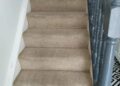
Wall-mounted fixtures are particularly helpful. A floating vanity or wall-hung sink, for example, will keep the floor visible. Because they leave the floor visible underneath, the room instantly feels less cluttered. Slimmer toilets and narrow vanities help create more breathing room, too – without removing anything essential.
Removing the bathtub altogether is another option. Tubs take up the largest portion of the room in smaller bathrooms. Switching to a shower opens things up considerably. A tub-to-shower conversion is a common way to create extra space in a compact bathroom. Walk-in showers – with a clear glass screen, if possible – keep the room feeling open.
Maximize Vertical Storage
When there’s not much floor space to work with, use the walls. Walls are incredibly useful here. A lot of bathrooms have empty vertical space that could easily be turned into practical storage.
Shelves – like those above the toilet or next to the sink – will hold everyday items. Toiletries. Spare towels. Toilet paper. Or use tall, narrow cabinets. They provide plenty of storage space while taking up very little room on the floor.
Also, look for opportunities to build storage into the room itself. Recessed shelves in the shower are a great example. Instead of bottles sitting on the edge of the tub or shower tray, they’re tucked neatly into the wall. Avoid surfaces becoming cluttered with recessed medicine cabinets, too.
Keeping things organized is tough. Bathrooms are busy with items – toothbrushes, toothpaste, shampoo, conditioners, and so on. It does make a bigger difference than most people realize, though, to have organized spaces. When items aren’t scattered around the room, it automatically feels larger. You’ll also find it easier to use.
Use Optical Illusions to Increase Size
Design choices also help. Even simple changes to color, lighting, and materials have a noticeable impact.
Lighter colors are the safest choice. Remember, this is particularly true for compact spaces. Light beige, soft grey, and white, for instance, reflect more light and prevent the room from being closed in. Dark colors still work, if you worry about cleaning and dirt – after all, dirt will be more obvious on light colors. But they’ll dominate the space – they tend to make small rooms feel more enclosed.
Another useful trick is the use of mirrors. A larger mirror above the sink reflects light around the room. It creates a sense of depth. Good lighting helps, too. Bright, even lighting reduces shadows – in a way, this makes the bathroom feel more open overall.
To conclude, small bathrooms may never feel huge. You just need to accept that. However, the right design decisions make them far more comfortable to use. With a few thoughtful changes, even a compact space – like a small bathroom – will become surprisingly open.