
Transforming your backyard into a low maintenance oasis is no longer about sacrificing beauty for practicality. Modern outdoor design focuses on smart choices that reduce upkeep while still creating a space that feels welcoming, relaxing, and functional. From surface materials to plant selection, the right decisions can dramatically cut down the time and money spent on maintenance. Solutions such as Turft commercial turf have also made it easier than ever to achieve a polished outdoor look without the constant demands of traditional landscaping.
Start With a Clear Vision for Your Outdoor Space
Before making any physical changes, it is essential to define how you want to use your backyard. Some homeowners prioritize entertaining, while others want a quiet retreat or a safe play area for children and pets. Understanding the primary purpose of the space helps guide material choices, layout, and design features that support low-maintenance living. A clear vision also prevents unnecessary additions that could increase long-term upkeep.
Planning allows you to balance aesthetics with practicality. Instead of chasing trends that may require frequent updates, focus on timeless design elements that age well. Neutral tones, clean lines, and durable surfaces tend to require less attention over time. A thoughtful plan sets the foundation for a backyard that looks intentional rather than overworked.
Replace High Maintenance Grass With Smarter Surfaces
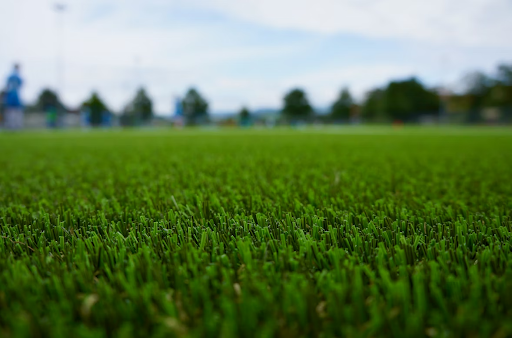
Traditional lawns often demand weekly mowing, regular watering, and seasonal treatments to stay healthy. In many regions of the United States, these requirements translate into higher water bills and constant effort. Replacing natural grass with low-maintenance alternatives can immediately reduce outdoor chores. Modern synthetic turf provides the visual appeal of a lush lawn without the ongoing work.


High-quality turf surfaces are designed to handle foot traffic, pets, and weather changes without fading or thinning. They also eliminate common issues such as bare patches and mud after rain. By choosing durable turf solutions, homeowners can enjoy a consistently neat backyard year-round with minimal effort.
Choose Plants That Thrive With Minimal Care
Plant selection plays a significant role in how much attention your backyard will need. Native and drought-tolerant plants are often the easiest to maintain because they are adapted to local climate conditions. These plants typically require less watering, pruning, and pest control than exotic varieties. Once established, they can thrive with very little intervention.
Grouping plants with similar water and sunlight needs also simplifies maintenance. This approach prevents overwatering some areas while neglecting others. When plants are placed in the right environment from the start, they grow more predictably and require fewer adjustments over time.
Simplify Layouts and Reduce Overcrowding
Overcrowded gardens may look impressive at first, but they often become difficult to manage. A low-maintenance oasis benefits from open space and intentional spacing between features. Allowing room for plants to mature reduces the need for constant trimming and replanting. Clean pathways and defined zones also make the yard more straightforward to navigate and maintain.
A simplified layout makes cleaning and upkeep more efficient. Fewer tight corners and hard-to-reach areas mean less time spent dealing with debris or overgrowth. By embracing a less cluttered design, homeowners can enjoy a calmer visual environment and a more manageable outdoor space.
Invest in Durable Hardscaping Features
Hardscaping elements such as patios, walkways, and retaining walls add structure to a backyard while reducing the area that requires ongoing care. Materials like concrete, stone, and composite decking are designed to withstand weather exposure with minimal maintenance. These features provide functional surfaces for seating and movement without requiring constant attention.
Well-installed hardscaping also helps control erosion and manage water flow. This reduces damage to surrounding landscaping and minimizes future repairs. Choosing quality materials up front often leads to long-term savings and fewer maintenance concerns.
Use Smart Design to Minimize Ongoing Work
Lighting, drainage, and storage are often overlooked in backyard design, yet they play a significant role in maintenance. Proper drainage prevents water pooling, which can damage surfaces and attract pests. Thoughtful lighting extends the space’s usability while reducing the need for temporary solutions that require setup and removal.
Built-in storage for tools and outdoor accessories keeps the area organized and clutter-free. When everything has a designated place, cleanup becomes quicker and less stressful. Wise design choices reduce daily effort and contribute to a backyard that feels effortless to enjoy.
Prioritize Long Term Convenience Over Short Term Trends
Trendy features may look appealing initially, but they often come with hidden maintenance demands. A low-maintenance oasis focuses on features that remain functional and attractive over time. Selecting timeless colors, sturdy materials, and versatile layouts helps ensure the space remains enjoyable for years without frequent updates.
Long-term convenience also means choosing solutions that align with your lifestyle. A backyard that fits naturally into your routine is easier to maintain than one that requires constant adjustments. The goal is to create a space that supports relaxation rather than adding another set of responsibilities.
Conclusion
A low-maintenance backyard oasis is achieved through planning, wise material choices, and a focus on long-term practicality. By reducing reliance on high-maintenance features and embracing durable alternatives, homeowners can create an outdoor space that remains beautiful with minimal effort. From turf surfaces to thoughtful layouts and resilient plants, each decision contributes to a more manageable and enjoyable environment. With the right approach, your backyard can become a place of calm and comfort rather than a source of constant work.