

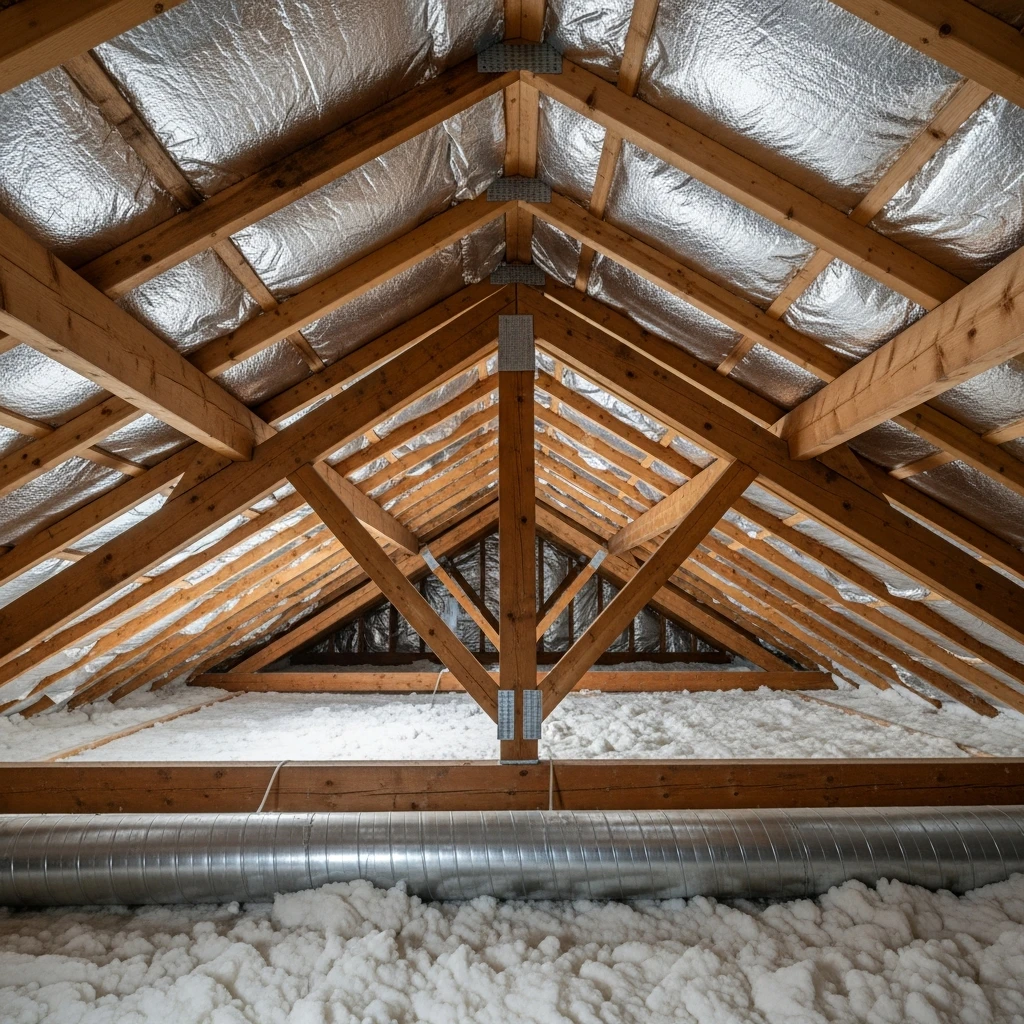
As energy prices continue to climb, finding ways to reduce consumption and bolster efficiency becomes increasingly crucial for homeowners. One effective yet often overlooked method is the use of radiant barriers. These innovative materials can help regulate temperatures in your home, leading to significant savings on energy bills while also enhancing comfort.
Understanding Radiant Barriers
Radiant barriers are reflective surfaces that work primarily by reducing heat transfer. They are typically installed in attics or under roofs, where they can effectively block radiant heat from the sun. This process plays a vital role in keeping your home cooler during the sweltering summer months and warmer in the winter.
When sunlight hits your roof, it generates a substantial amount of heat, which can be absorbed into your home. Radiant barriers effectively reflect this heat away, reducing the need for air conditioning and ultimately lowering energy consumption.
Why Choose Radiant Barriers?
1 Energy Efficiency: By significantly reducing the heat entering your living space, radiant barriers can lower cooling costs during summer. According to the Department of Energy, installing a radiant barrier can reduce cooling costs by up to 10-20% in warmer climates. This translates to financial savings over time and a smaller carbon footprint.


2 Comfort Level Enhancement: Beyond just cost savings, radiant barriers can improve overall comfort levels within your home. By keeping your attic cooler, your living spaces become more comfortable and pleasant, especially during peak summer months.
3 Eco-Friendly Benefits: The environmental advantages of radiant barriers cannot be overstated. With less energy consumption comes decreased reliance on fossil fuels and a reduction in greenhouse gas emissions. In both the short and long term, investing in radiant barrier technology contributes to a more sustainable lifestyle.
Installation Considerations
Installing a radiant barrier may seem complex, but it’s a straightforward process that can be handled by most homeowners or professionals. If you’re considering installing these barriers yourself or hiring a contractor, here are the main factors to keep in mind:
- Material Choice: Radiant barriers come in various forms, including reflective foil sheets or paints. It’s essential to choose a trusted source for your materials to ensure efficiency and durability, such as using trusted radiant heat-blocking products from AtticFoil.
- Installation Site: The most effective application is typically in the attic. If your home has a ventilated attic, the entire surface below the roofing can be covered with radiant barrier material. Conversely, unventilated attics may require a different approach.
- Positioning: Ensure that your radiant barrier is installed reflective side up in a hot climate or reflective side down in a cooler climate. This positioning maximises its efficiency based on local weather conditions.
Potential Challenges
While radiant barriers offer significant benefits, they aren’t without potential challenges. Here are some factors to consider:
- Cost vs. Savings: The initial cost for radiant barrier installation can vary, and while the long-term savings are substantial, some homeowners may hesitate upfront. It’s critical to perform a cost-benefit analysis based on your specific situation.
- Brand Quality: Not all radiant barriers are created equal. Lower-quality materials may not provide the same level of efficiency. Research is essential, and opting for reputable brands ensures that you receive a product that meets your expectations.
- Local Climate: The effectiveness of radiant barriers can depend on your geographic location. Homeowners in hotter climates will see more benefit than those in temperate or cooler areas.
Complementary Energy-Saving Solutions
Radiant barriers can work wonders on their own, but when combined with other energy-saving strategies, they can amplify your home’s efficiency even further. Here are some complementary solutions worth considering:
- Insulation: Proper insulation is essential for maintaining consistent temperatures within your home. When used alongside radiant barriers, insulation can further decrease heat transfer, enhancing comfort and saving energy.
- Roofing Materials: The type of roofing material you use can impact overall energy efficiency. Consider selecting reflective coatings or lighter colours that also contribute to reducing heat absorption.
- Window Treatments: Installing energy-efficient windows and using window films or treatments can help reduce heat gain, making your radiant barrier even more effective.
The Bottom Line
Investing in a radiant barrier can be a transformative step toward making your home more energy-efficient. While there is an upfront cost, the long-term savings and enhanced comfort level can far outweigh this initial investment. Furthermore, by creating a more sustainable living environment, you contribute positively to the planet.
Ultimately, the path to energy efficiency is a multifaceted one, requiring a combination of strategies tailored to your specific circumstances. By understanding the benefits and best practices associated with radiant barriers, you can take meaningful steps toward a more comfortable, energy-efficient home.
In conclusion, radiant barriers represent a smart investment for homeowners looking to balance energy savings with environmental responsibility, proving that style and sustainability can indeed go hand in hand.